The Story
Why it exists.
The beginning
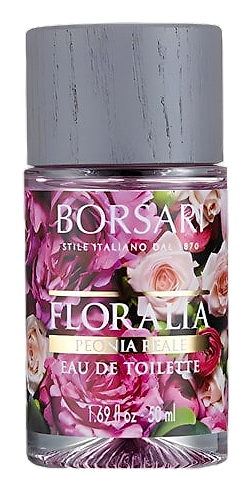
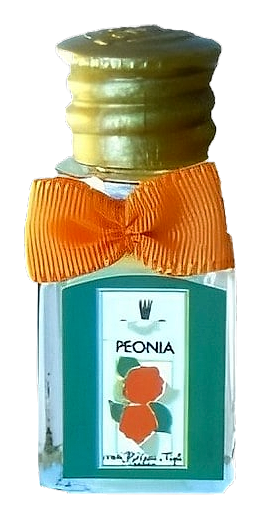
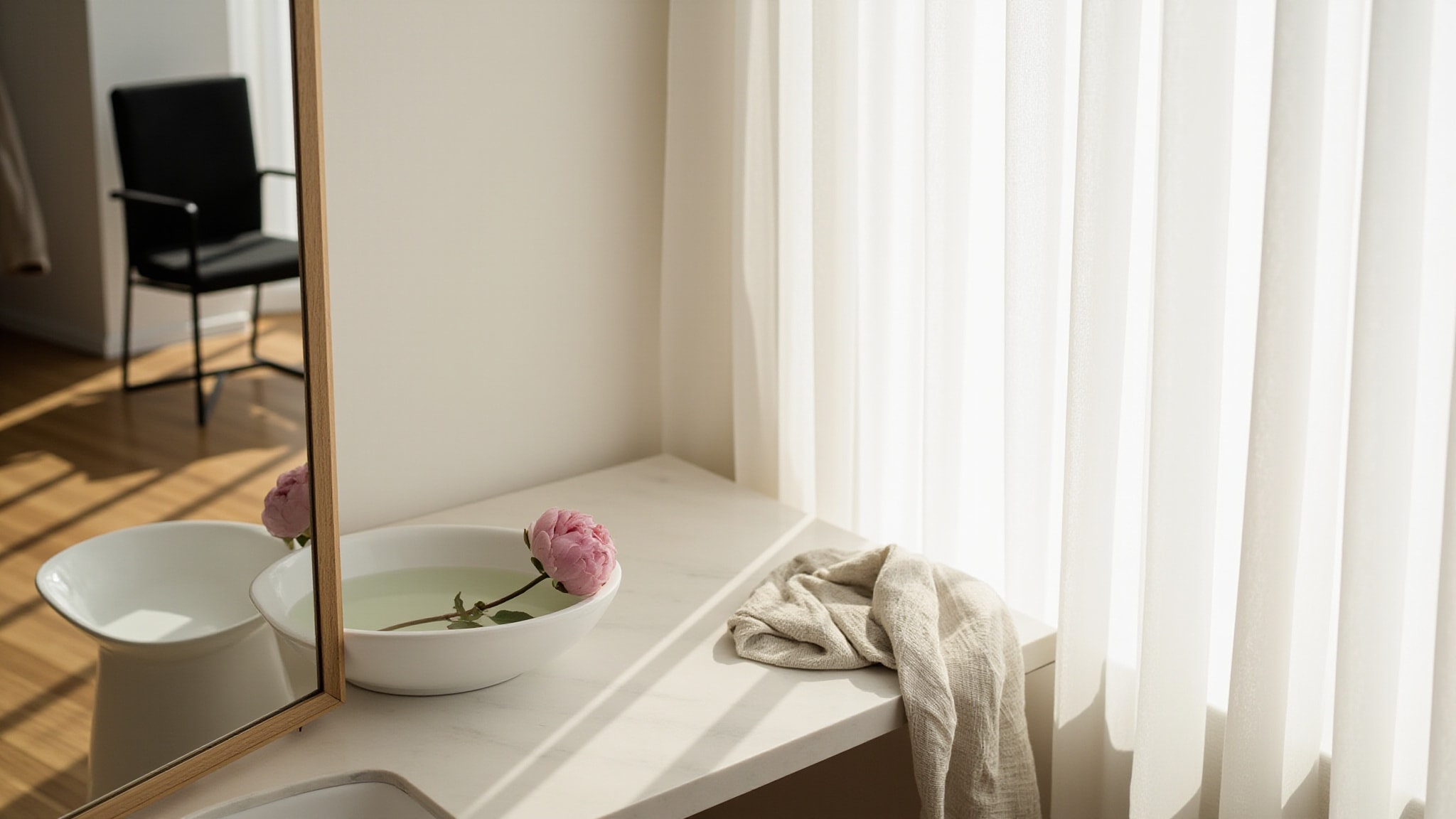
Peonia arrived in 1970. A peony composition made sense for Borsari: one flower, treated with the care of a workshop rather than the ornament of a larger house. The fragrance doesn't dress the bloom in ribbons. It lets the peony speak in its own register, unaccompanied, without competing florals or base-heavy distractions. There's no vanillic cradle underneath, no sparkling aldehyde lift to announce itself. What you get is the flower itself, given room to breathe on skin. That restraint was deliberate. Borsari made a soliflore that assumed the wearer already knew what she liked. The juice opens with the cool, slightly watery character of a peony bloom still tight in the morning, that crisp aqueous edge sharpened by a hint of green stem rather than softened by anything creamy or powdery.
What makes Peonia worth noting is what it doesn't do. There's no aldehyde lift, no vanillic cradle underneath. The result is a peony that reads almost green and watery, the scent of a stem cut fresh and brought indoors. It's a deliberate choice. The composition is built around transparency and herbal clarity, the kind of flower water you'd find in a modest apothecary rather than a grand boudoir. There's no indolic weight to push the bloom into something heavier or sweeter. The peony stays lifted, almost cool, even as it warms against the skin.
The evolution
Peonia opens exactly the way it will close. That's not a failure of construction. It's the design. The first minutes deliver the crisp, slightly cool character of fresh peony: watery, faintly green, with a suggestion of stem rather than petal. There's no sharp citrus lift, no aldehyde sparkle to announce itself. By the 30-minute mark, the peony settles into its own skin, losing the green edge and gaining a soft, almost suede-like warmth that reads as the natural evolution of the flower rather than a new ingredient. The heart phase, if you can call it that, doesn't introduce anything new. The fragrance simply deepens the same note. After 3-4 hours, the drydown is quieter still, an intimate whisper of peony with a faint musky undertone that keeps it from disappearing entirely. On fabric, it lingers longer than on skin.
Cultural impact
Peonia sits within a tradition of Italian floral soliflores that prioritize botanical clarity over compositional layering. For wearers who prefer a single-flower reading without the powdery sweetness common to many floral fragrances, it offers a quieter alternative. The fragrance rewards attention rather than projection, appealing to those who want a personal scent rather than a room-filling statement. Its discontinued status keeps it out of mainstream rotation, which has shaped its audience over time. Vintage fragrance enthusiasts and collectors of obscure Italian releases have kept Peonia in conversation.