The Story
Why it exists.
The beginning
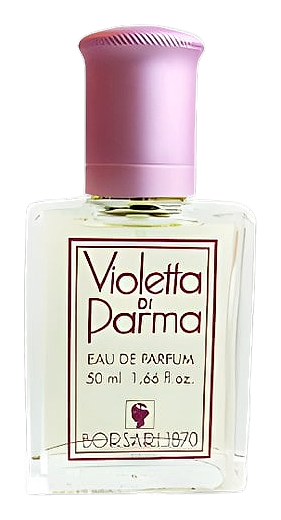
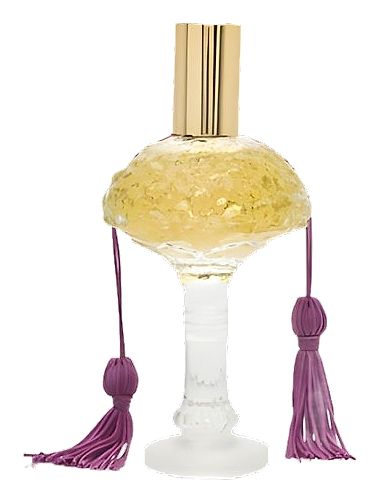
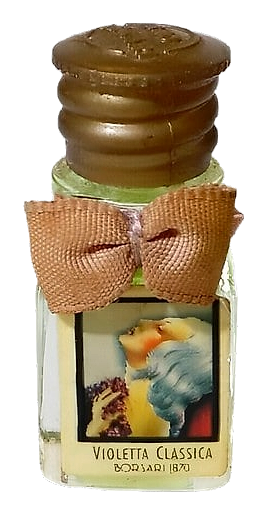
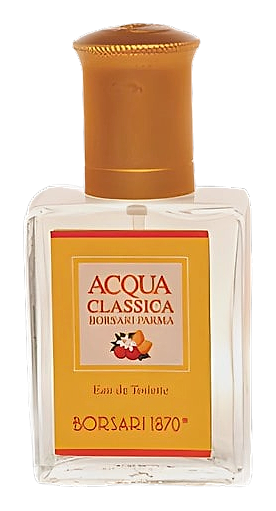
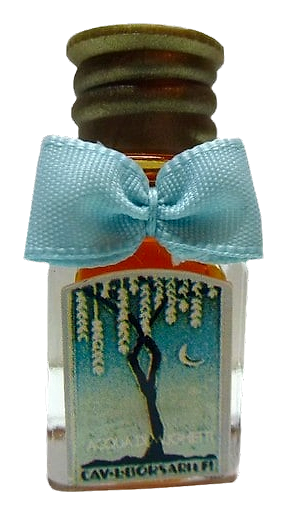
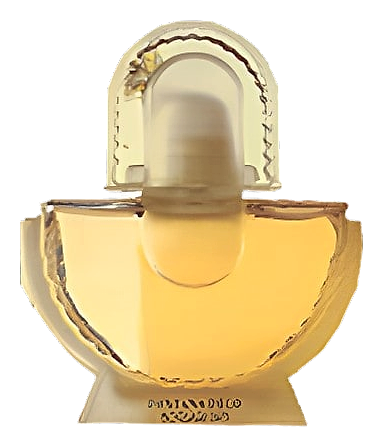
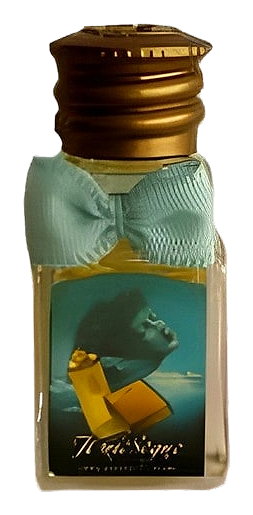
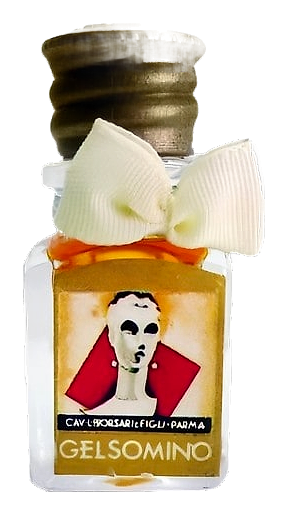
Parma has always smelled like something. Roses, violets, the green steam of an apothecary's back room in summer. When Borsari released Aurea Parma in 1920, the city had already spent generations earning its reputation in Italian perfumery, a place where workshop traditions and intimate knowledge of scent had been quietly accumulating for decades. Aurea Parma draws its name directly from its hometown, an almost literal translation of place into bottle. The composition itself is a floral built from the abstract idea of petals, imagined the way an Impressionist builds a garden from dabs of color rather than botanical accuracy. There are no labeled roses, no signed jasmine stems.
What separates this from a straightforward floral is the refusal to name specifics. The composition leans into the idea of flowers as a category rather than a census, a wash of petal impression that never narrows itself down. Nothing in the formula reaches forward to identify itself. Everything stays ambient, suggestive, content to suggest without specifying. The result wears lighter than a modern soliflore, more like the memory of a corsage left in a drawer than something freshly picked. There's a softness to the way it sits on skin, a gentleness that comes from refusal rather than restraint.
The evolution
The opening arrives without fanfare. No citrus spike, no aldehyde crackle, no top-note announcement of any kind. Just a floral presence that already feels settled, as though the composition skipped its overture and walked straight into the middle act. There's an immediate softness to it, something that registers as quietly sweet without ever being sugary. As the first minutes pass, that sweetness takes on a drier character, a gentle matte quality that begins to dominate. It doesn't develop so much as exhale, each phase giving way to the next without sharp transitions. The floral impression at the center never resolves into anything you could put a name on. It stays plural, slightly out of focus, like a crowd of flowers seen from across a garden rather than held in the hand. The final phase is the longest and quietest.
Cultural impact
Aurea Parma sits firmly within the early 20th-century tradition of abstract floral compositions, a category of perfume that doesn't reach for the botanical label or the modern impulse to name-drop specific ingredients. As a Borsari creation from 1920, it represents the Parma side of Italian perfumery, a body of work that tends to favor softness and suggestion over loud declaration. The bottle carries the city's name, and the composition carries the city's temperament: composed, restrained, happy to let you lean in rather than forcing itself on you.