The Story
Why it exists.
The beginning
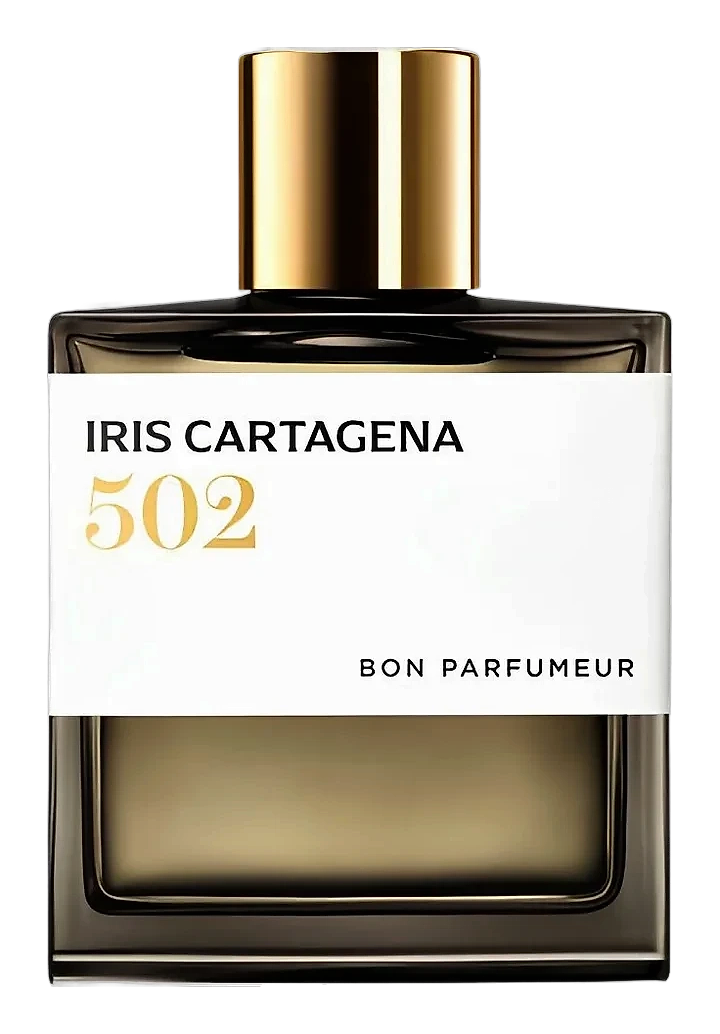
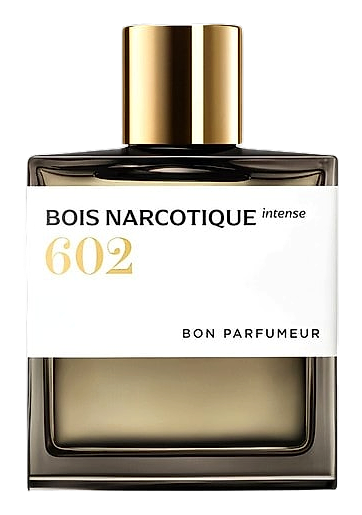
Bois Narcotique Intense arrives in 2024 as part of Bon Parfumeur's Les Extraits collection, the house's move toward concentration and consequence. Perfumer Sidonie Lancesseur worked with a specific brief: take the woody-pepper-incense trifecta and push it past comfortable. The word 'overdose' appears in the brand's own copy unironically. This isn't a fragrance that asks permission.
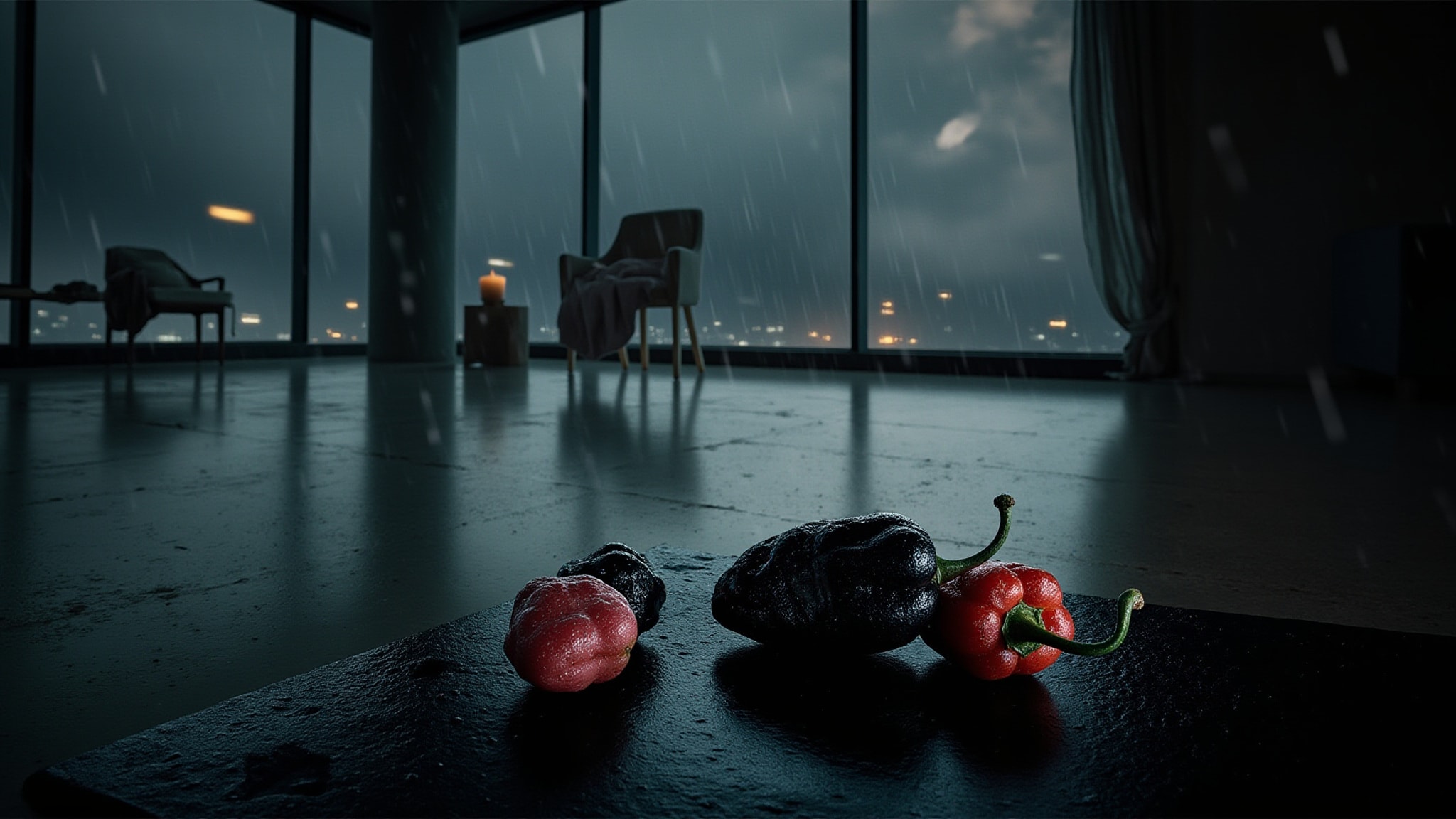
What makes this work is the frankincense. Not the smoky church kind, Somalian frankincense carries a cold, almost mentholated edge that keeps the pepper trio from overwhelming. It sits alongside the black pepper, pink pepper CO2, and Jamaican chili rather than behind them. The result smells like standing outside in cold air while something burns nearby. Cedar, green apple, and Tunisian neroli form the heart, but they're tertiary to the opening's violence and the base's persistence. Moss, Haitian vetiver, and Indonesian patchouli form a foundation that doesn't let go.
The evolution
The first five minutes are an event. Black pepper hits first, sharp and immediate, followed by pink pepper's fruitier sibling and the Jamaican chili's slow-building heat. The Somalian frankincense doesn't soften any of it, it amplifies. You smell this from across a room, not because it projects aggressively, but because your brain recognizes danger. At the 30-minute mark, the neroli and green apple arrive like a cold compress. The cedar hasn't fully formed yet. By hour two, the drydown is all moss, vetiver, and patchouli, earthy, slightly sweet, intimate. This is where it earns 'narcotique.' Not through sweetness. Through the hours it spends in your space after you've stopped noticing it.
Cultural impact
The frankincense-pepper pairing draws from ancient incense traditions while nodding to the 2010s niche boom that reshaped what masculine fragrance could be. In a market saturated with safe, mass-appealing compositions, scents like Bois Narcotique Intense represent a counter-movement toward demanding fragrances that require something from the wearer. This intensity-first approach reflects a broader cultural shift where fragrance became a form of self-expression rather than mere hygiene, a signal that the wearer has moved past pleasant into intentional.