
The Story
Why it exists.
The beginning
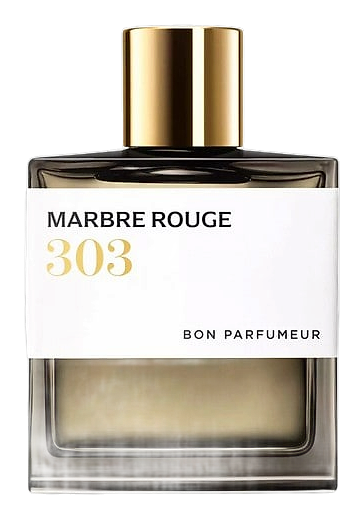
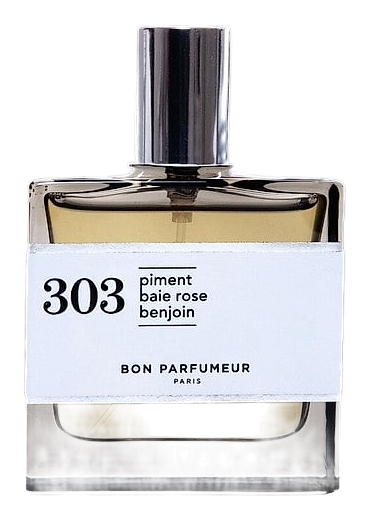
303 is built around a straightforward premise: what happens when you treat heat as intimacy rather than spectacle. Sidonie Lancesseur assembled three spices at the top, cardamom, pink pepper, red chili, and let them carry different temperatures. Cardamom cools. Pink pepper warms. Chili burns. The balance between them creates an opening that reads as complex without being heavy, the kind of first impression that rewards attention rather than demanding it.
The choice to pair those three with tolu balsam and ylang-ylang in the heart is where this fragrance earns its name. Ylang-ylang brings an unexpected tropical sweetness that could easily clash with chili, but here it acts as a bridge, softening the heat before benzoin and vetiver take over in the base. The vetiver is Haitian and Java, mineral and smoky in equal measure, grounding the sweetness so it never becomes syrupy. What you're left with is a warm-spicy resin that behaves, stays close, lingers without announcing itself.
The evolution
The opening hits quick and bright, pink pepper at the front with cardamom underneath keeping it from sharpening too far. Red chili is the quietest of the three, more suggestion than punch, a warmth you notice rather than a burn you feel. Thirty minutes in, the heart takes over: tolu balsam swells first, bringing its honeyed resin, then patchouli arrives with that earthy, slightly bitter edge. Ylang-ylang threads through, a floral softness that no one saw coming. The transition from spice to resin is seamless, nothing drops, nothing overwhelms. By hour two, the base is fully present: benzoin's sweet balsamic warmth against vetiver's dry mineral finish, musk keeping everything close to skin. The sillage drops from moderate to intimate. What lingers at hour six is benzoin and vetiver, warm, resinous, slightly sweet, the scent of something that stayed.
Cultural impact
The 2019 launch of 303 piment, baie rose, benjoin arrived during a cultural moment when niche perfumery was reshaping how fragrance could function as personal expression rather than status signal. Bon Parfumeur's numbered collection system, of which 303 is part, deliberately stripped away poetic marketing language in favor of direct ingredient acknowledgment, reflecting a broader shift toward transparency and authenticity in luxury goods. The fragrance's explicit naming of its chili and pink pepper components positioned it within a late-2010s trend of 'gourmand-adjacent' warm spices that crossed from kitchen to vanity, echoing similar movements in food culture where heat and umami became mainstream conversation topics.