The Story
Why it exists.
The beginning
Named after London's most storied thoroughfare, Piccadilly arrived in 2013 from a British house built on warrior-queen energy and a refusal to gender anything. Christian Provenzano created the composition as an olfactory portrait of a place, not the tourist London, but the one that belongs to those who actually live there. The street gave the name. The house gave the attitude.
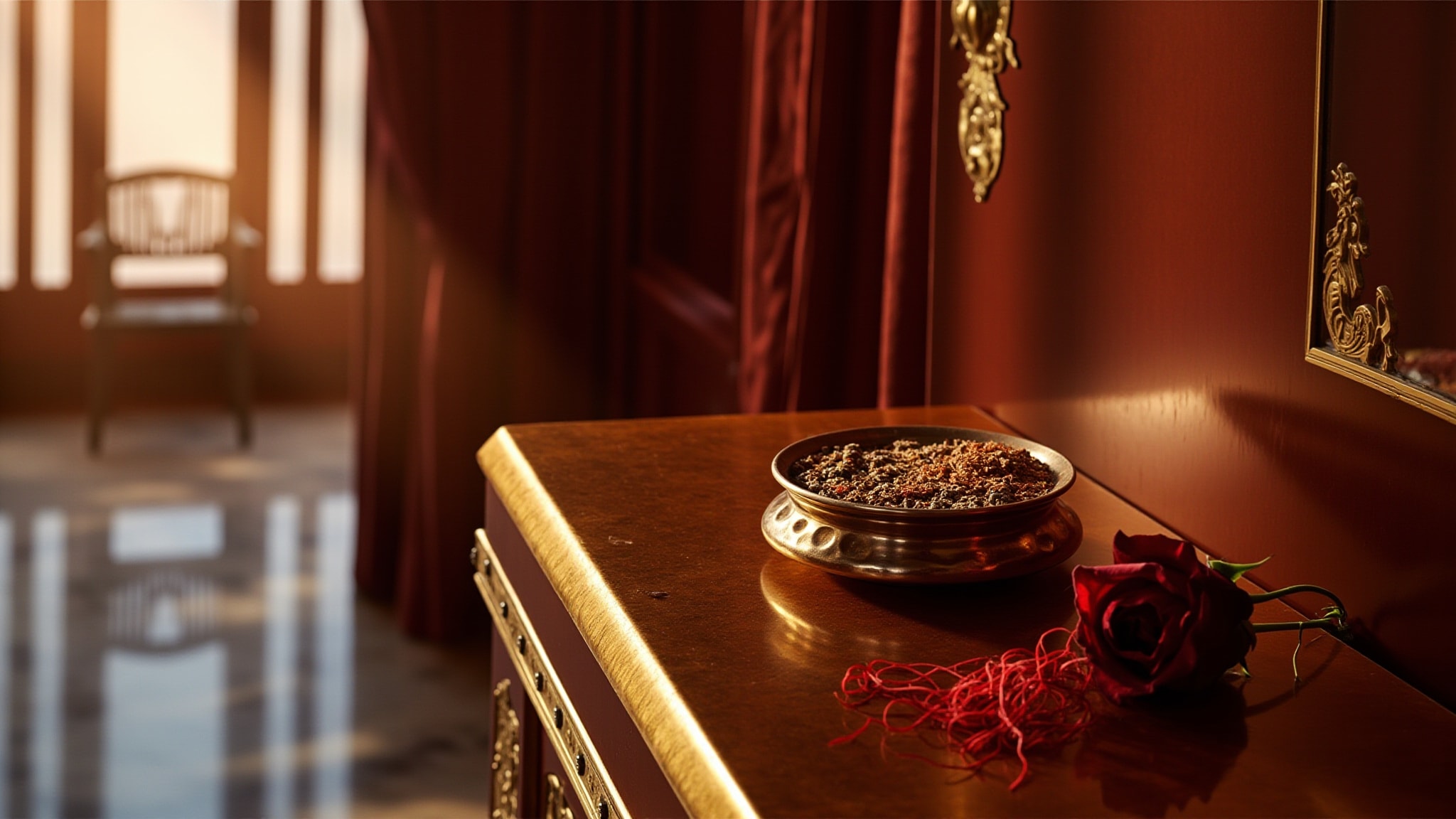
What makes this composition stand apart is the way the rose and saffron co-star rather than take turns. In most rose-heavy fragrances, spice is a brief opening act. Here, the saffron threads through the entire wear, present in the first spray, still audible in the drydown. It's a structural choice, not an accident. Cypriol adds an earthy, almost smoky counterpoint that stops the florals from ever feeling delicate. This is rose for someone who wants to be remembered.
The evolution
The opening is immediate: saffron's metallic brightness, the warmth of cinnamon and cardamom arriving just behind. Chamomile softens the entry, but only just. The rose doesn't wait long, it steps forward within minutes, not delicate, not sweet, but present with an almost waxy fullness from the magnolia. The hand-off is graceful: saffron cedes the spotlight but stays backstage, keeping the florals grounded in something slightly medicinal. By hour three, the base takes over. Cashmeran and vanilla create that close, warm presence, not projecting, just there. Cedar and sandalwood linger. Musk stays nearest the skin, detectable the next morning on fabric.
Cultural impact
Piccadilly occupies a particular corner of the niche market: the intersection of rose and spice, done with enough conviction to stand apart from both the contemporary florals and the heritage orientals. It's not chasing trends, it's been in production since 2013, which says something about staying power. The house built its reputation on collectors who return.