The Story
Why it exists.
The beginning
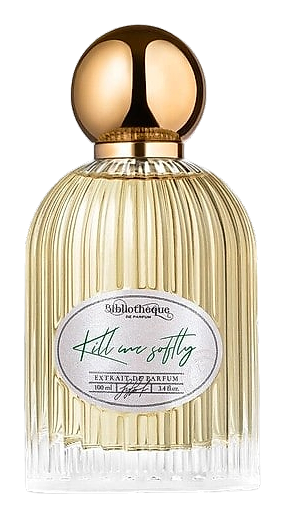
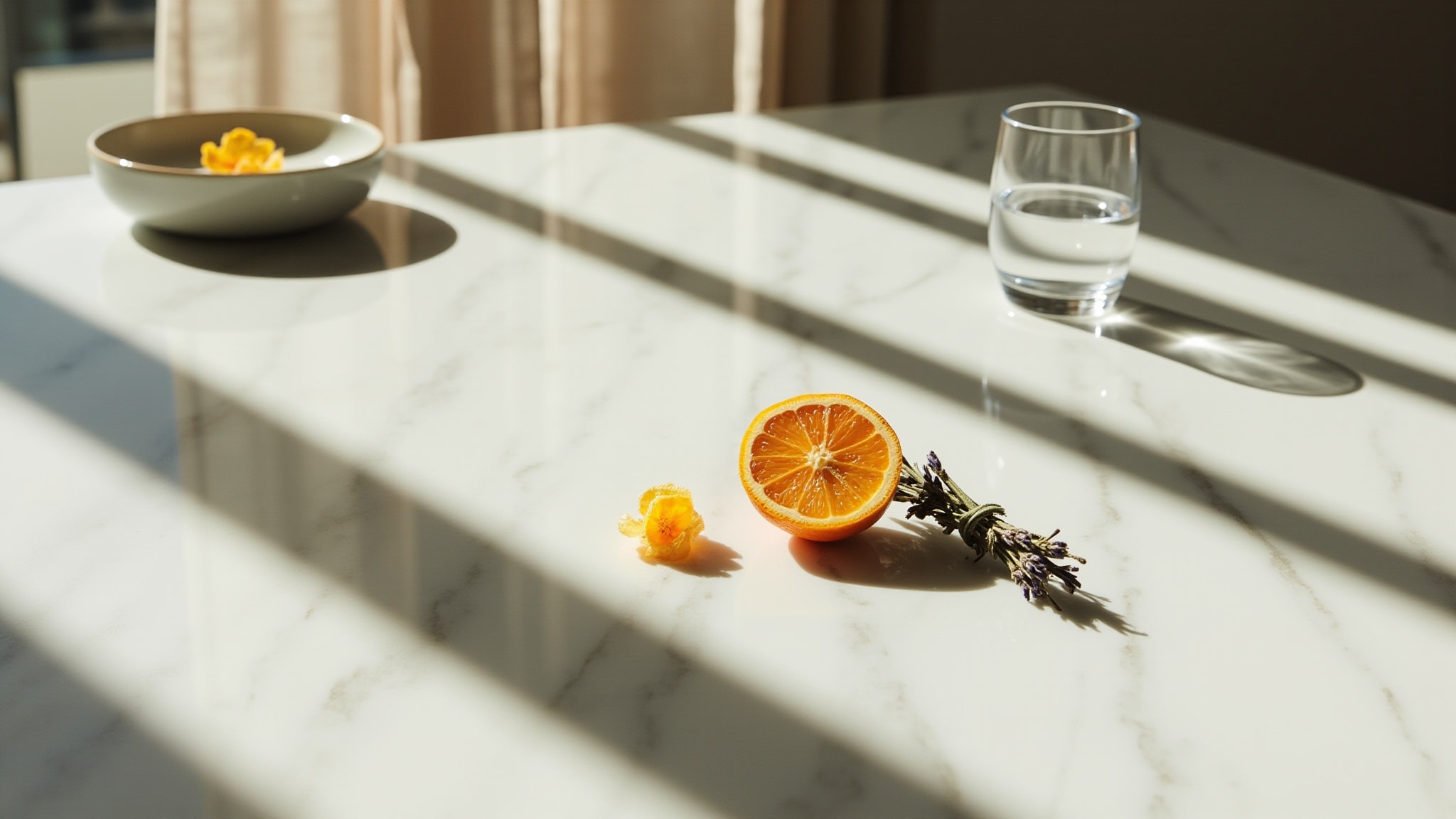
Kill Me Softly arrived as a study in contrast, built around a citrus aromatic structure rather than a single dominant theme. Mandarin orange, bitter orange and bergamot lay down a bright, slightly tart opening, sharpened by lemon and grounded with myrrh. Lavender and rosemary pull the composition in two directions at once, herbaceous and faintly medicinal against fruit and peel. No perfumer is credited in the available records, so intent has to be read from the architecture itself: a fragrance that treats aromatics as structure rather than garnish. The composition begins with brightness, moves through herbal and floral layers, and ends in a warmer, more textured base.
What makes this composition worth a closer look is the tension between its top notes, not the individual ingredients. Mandarin and bitter orange give sweetness and bitterness at once, while bergamot and lemon push brightness from two different directions. Lavender is the hinge. In a floral context it would read soft, but beside citrus and rosemary it turns greener, more herbal, almost medicinal in a good way. Myrrh adds resinous depth to an opening that could otherwise have stayed thin.
The evolution
The opening arrives fast and clean, mandarin and bergamot cutting the air while lavender and rosemary push herbal shadows underneath. Bitter orange and lemon keep the brightness from turning sweet, and myrrh threads something dry and resinous through the middle. White florals begin to surface, with jasmine and neroli landing against orange blossom in a bloom that reads more sunlit than powdery. Pitosporum adds a green, almost leafy edge, keeping the florals from floating free. Then the base takes over, and this is where the composition finds its strange warmth. Ambergris gives it skin, ambrette a soft musky grain, angelica a faint herbal bitterness that refuses to vanish. What lingers is that dry, musky ambergris, close to skin, carrying a faint memory of citrus well past the florals.
Cultural impact
Kill Me Softly can be read through the contrast at its center: a vivid citrus opening gives way to herbal shadows, white florals and a warm, musky base. Mandarin, bitter orange, bergamot and lemon create the first impression, while lavender and rosemary lend a drier aromatic counterpoint. Orange blossom, jasmine and neroli add a light floral passage, and pitosporum gives that section a green, leafy edge. Ambergris, ambrette and angelica provide the closing texture, with ambergris and ambrette emphasizing a soft skin-like warmth as angelica introduces a faint herbal bitterness.