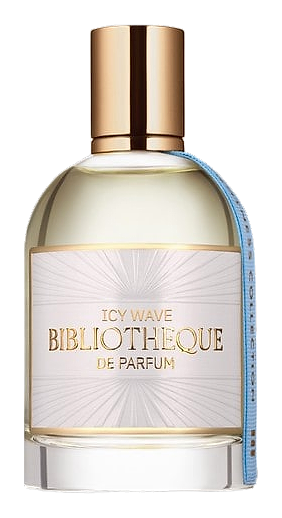

The Story
Why it exists.
The beginning
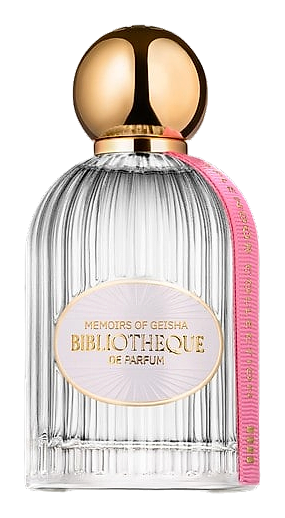
Icy Wave emerged from Bibliothèque de Parfum's debut collection in 2019, when founder Lora Nekrasova was building her first olfactory library. The concept arrived with a question: what does momentum smell like? Not the aftermath of energy, the peak of it. She wanted a fragrance that captured the rush of cold air hitting warm skin, that instant alertness that wakes everything up. The name came first, then the brief. The result is a scent that translates physical sensation into olfactory memory, sharp, clean, alive.
The structure is unusual for a fresh fragrance. Most citrus-forward compositions evaporate within the first hour, relying on synthetic boosters to maintain presence. Icy Wave takes a different approach by anchoring its bright opening to a woody-musky base that actually holds. The green tea and alpine herbs in the heart don't compete with the citrus, they extend it, creating a middle chapter that feels spacious rather than empty. Galbanum adds a green bite that most fresh fragrances avoid, preferring the safer route of clean-soap linearity. That slight edge is what makes the composition worth attention.
The evolution
The opening hits immediately, a triple citrus burst of bergamot, lime, and mandarin that feels almost aggressive in its coldness. Within fifteen minutes, the sharpness softens as green tea arrives, bringing a calmness that wasn't apparent at first spray. The alpine herbs come next, lending an aromatic quality that prevents the fragrance from becoming purely aquatic. By hour two, the citrus has receded significantly and the woody base takes over, sandalwood and musk wrapping the composition in a clean, intimate warmth. Petitgrain adds a slight bitter edge that keeps the drydown from becoming too soft. On fabric, it lingers quietly. On skin, four to six hours depending on your chemistry. The next morning? A faint green-tea warmth, like the memory of the scent rather than the scent itself.
Cultural impact
Icy Wave arrived in 2019 during a cultural moment when independent perfumery was gaining serious ground, reflecting a broader shift away from blockbuster commercial scents toward artisanal compositions. Bibliothèque de Parfum's literary branding, with house names drawn from book genres and themes, resonated with consumers seeking meaning beyond marketing. The fragrance's triple-citrus opening and green tea heart captured a preference for transparent, ingredient-forward scents that read as authentic rather than constructed. Its modest 4-6 hour longevity and intimate sillage suited an era of open-plan offices and shared workspaces where aggressive projection had become socially unwelcome.