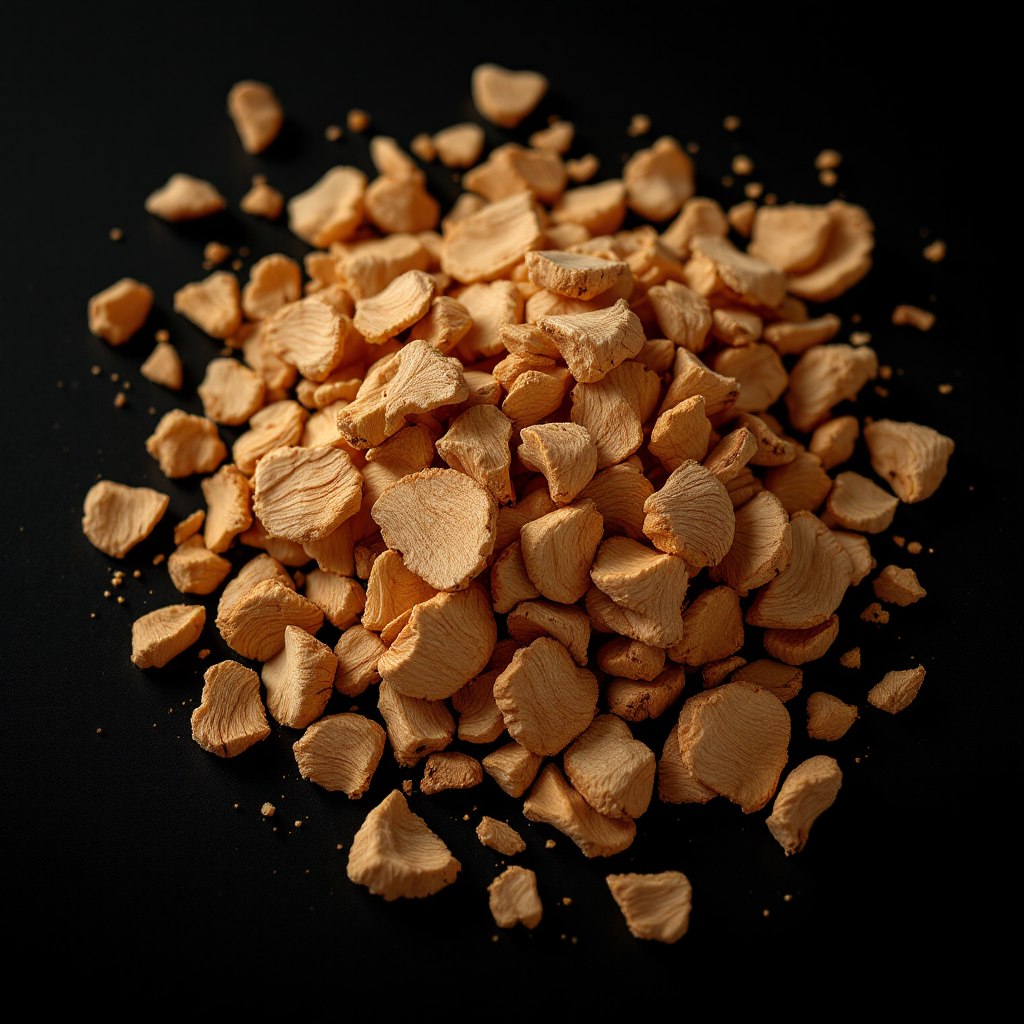
Alpine herbs
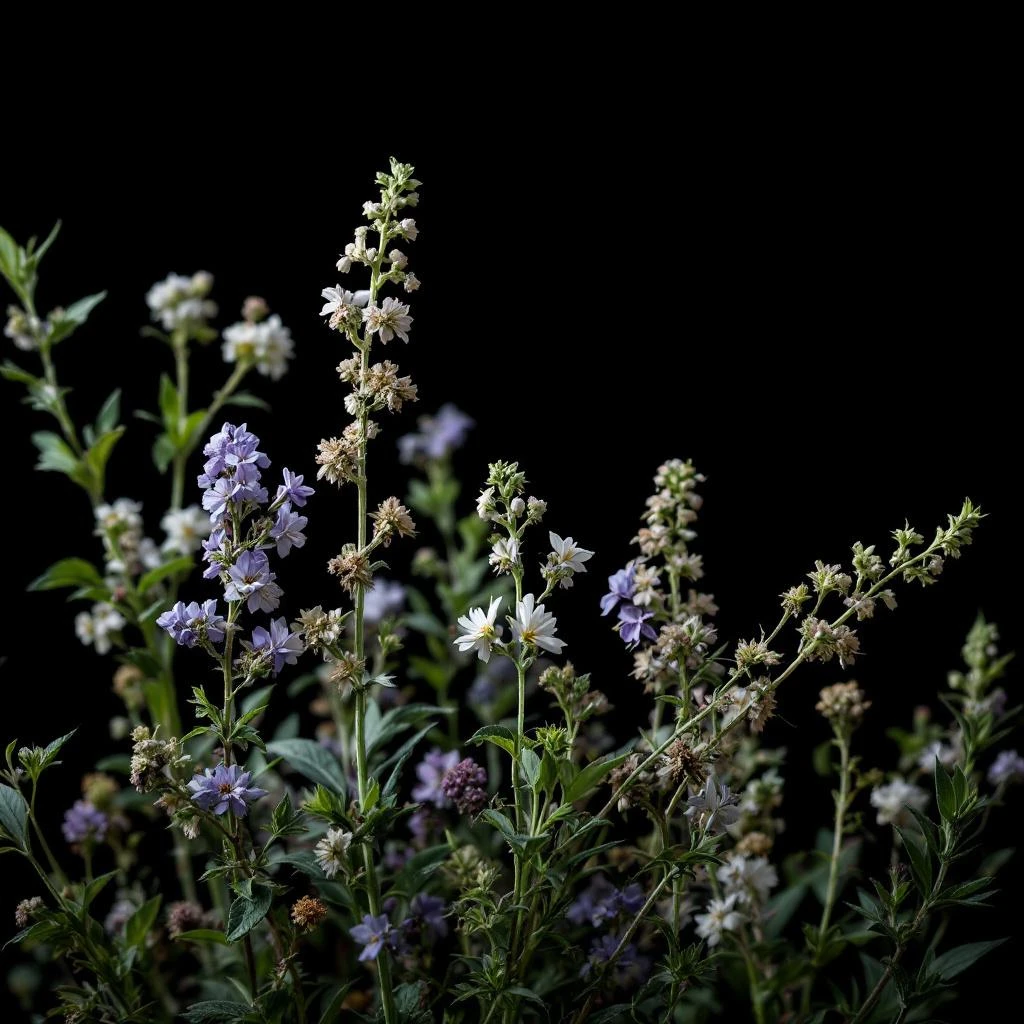
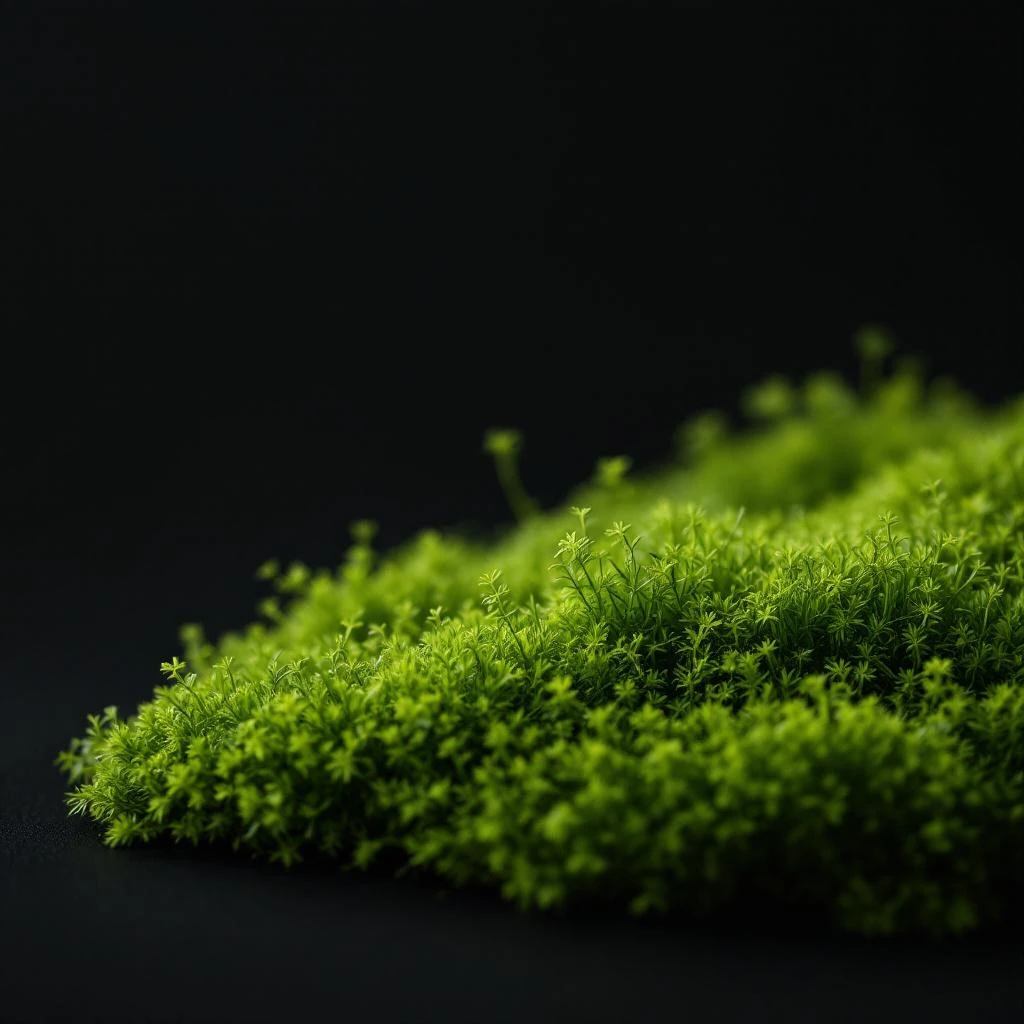
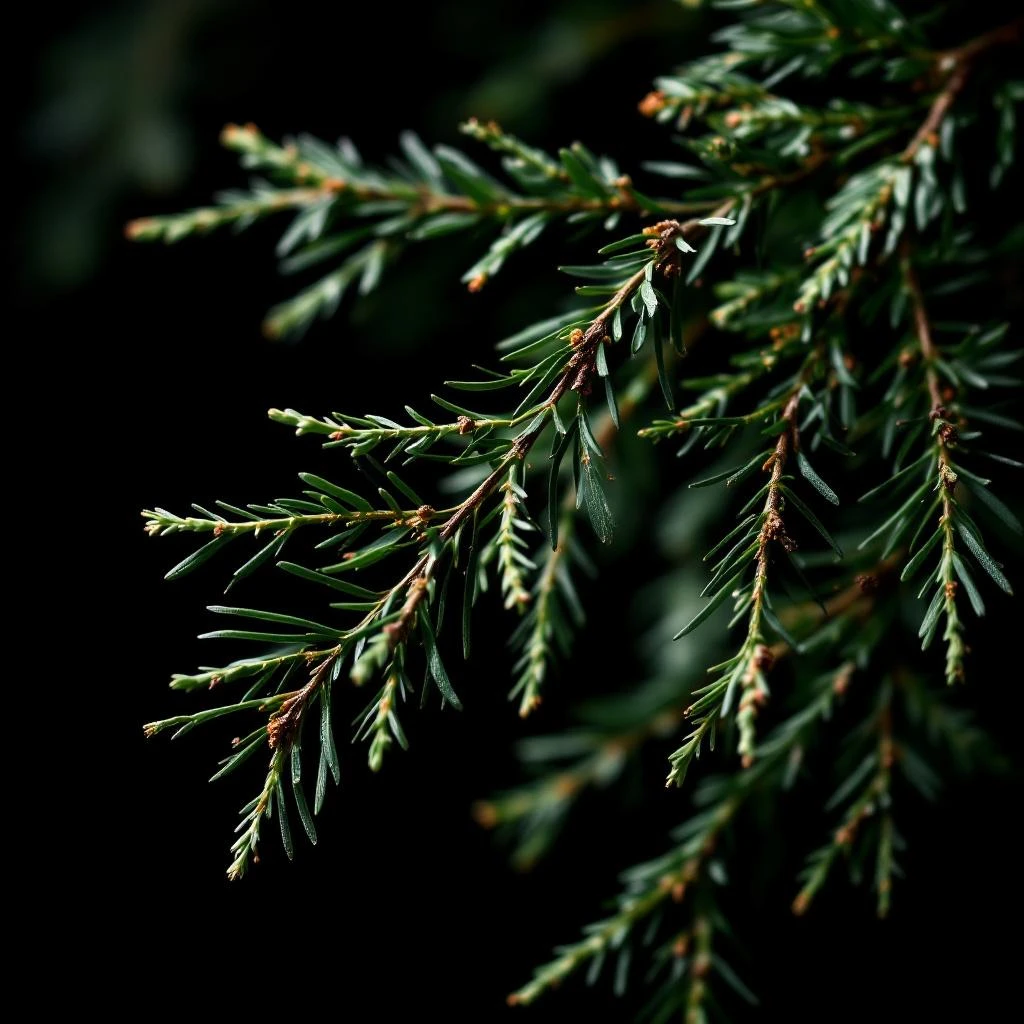
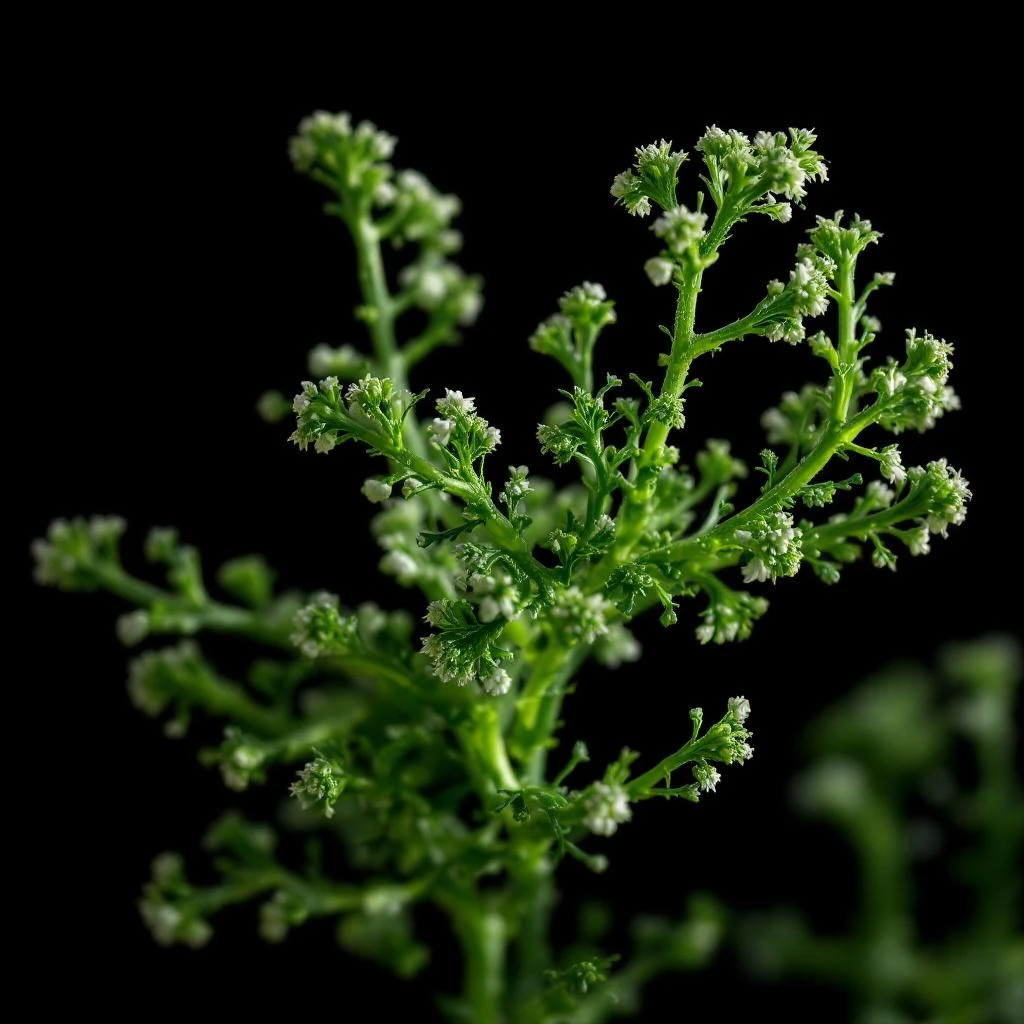
Alpine herbs capture the crisp, verdant air of high mountain meadows, delivering a bright, green lift that brightens any composition with a touch of wilderness.
Character
How it smells
Pure mountain green in a bottle.
Some Alpine herb oils contain up to 1.5 % camphor, a compound that helps plants resist frost and gives the oil a subtle, cooling snap that perfumers prize for its clarity.



Origin
Switzerland
Mountain herbs have flavored human rituals since the Bronze Age, when Alpine monks dried sage for incense and healing balms. By the 16th century, traders carried dried Alpine thyme across the Silk Road, where it mixed with spice blends for both culinary and aromatic purposes. The rise of modern perfumery in the late 1800s saw chemists in Grasse experiment with steam‑distilled Alpine herb essences, noting their ability to lift heavier bases.
During World War II, Alpine herb oil served as a morale booster for troops stationed in the Alps, its fresh scent reminding soldiers of home. Today, niche houses cite Alpine herbs as a nod to heritage, using them to evoke clean, high‑altitude landscapes without relying on synthetic green notes.
Wears it best
Fragrances featuring Alpine herbs

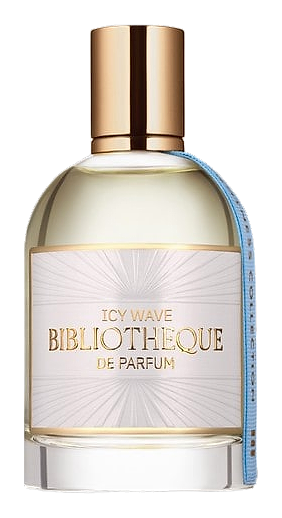
Brands
Brands known for Alpine herbs
Good to know
Questions, answered
The essentials on Alpine herbs in perfumery: how it smells, where it comes from, and how it behaves on skin.
What aroma does Alpine herbs add to a perfume?
Alpine herbs give a bright, green, slightly camphorous lift. A 2021 analysis recorded a dominant note of pine‑like freshness with a hint of herbal spice.
How is the oil extracted from Alpine herbs?
Steam distillation pulls the volatile oils from dried herb material. In 2020, a Swiss distillery reported a 0.8 % yield by weight from Alpine thyme.
Which perfume families use Alpine herbs most often?
Fresh, aromatic, and woody families feature Alpine herbs to add clarity. In 2019, 42 % of niche aromatic releases listed Alpine herb oil in their accords.
Are Alpine herb extracts considered sustainable?
Yes, they are harvested from wild‑managed alpine meadows with rotation cycles. A 2022 study showed that rotating harvest zones every five years maintains plant populations above 85 % of original density.
Do Alpine herbs have therapeutic benefits?
They possess mild antiseptic and respiratory‑clearing properties. Clinical trials in 2018 measured a 12 % reduction in nasal congestion after inhaling Alpine sage oil.
How does altitude affect the scent profile?
Higher altitude increases UV exposure, boosting camphor and pinene levels. Samples from 2,000 m showed camphor concentrations 0.3 % higher than those from 500 m.
Can Alpine herb notes be reproduced synthetically?
Synthetic analogues mimic key components like camphor and α‑pinene, but they lack the subtle balance of minor terpenes. Laboratory blends achieve 85 % similarity in GC‑MS profiles.
What typical concentration is used in a fragrance formula?
Alpine herb oil is usually added at 0.5‑2 % of the total formula. A 2023 case study recorded a 1.2 % inclusion rate for a successful aromatic cologne.