The Story
Why it exists.
The beginning
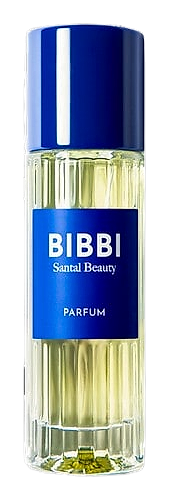
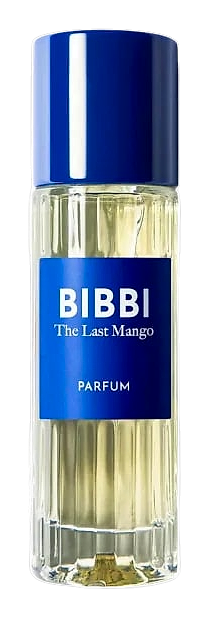
The Last Mango arrived in 2026 from Bibbi Paris. Each release in the Bibbi catalogue reads like a page from a private journal. Swimming Pool. Ghost of Tom. Radio Child. The names are not products. They are entries. The Last Mango follows that same logic. The brand's own copy describes it as a mango scent unlike any other, a long lasting dance on tanned summer skin, joyful yet powerful and deep. The juice arrives ripe and almost aggressive at the top, dripping with the sticky sweetness of sun-warmed fruit pulp before the darker notes press in from underneath. Myrrh wraps around the mango like smoke curling around a candle, giving the composition a resinous undertow that keeps the sweetness from ever tipping into candy.
Most mango fragrances lean sweet, synthetic, almost cartoonish. This one refuses that shortcut. Blackcurrant absolute and incense open the composition, which is already a curveball. That fruit-and-smoke pairing establishes the rules before the mango even appears. Once it does, in the heart alongside cedarwood, cypriol, and oud, it carries the warmth of Nepalese sandalwood and the depth of myrrh in the base. The result is a mango that has been seasoned. That is the unusual move: treating a tropical fruit the way one might treat a spice or a wood note, giving it gravity through resin rather than sugar.
The evolution
The first ten minutes belong to blackcurrant and incense. Dark, slightly bitter, with a resinous edge that announces this is not a playful scent. The fruit arrives around the 20-minute mark, and it arrives changed. Juicy, yes, but shadowed by cypriol and the smoky density of oud. Cedarwood keeps the structure upright while the mango does what mango does. By the second hour, the sweetness has faded into something warmer. Myrrh takes over from the incense, deepening the base into something almost meditative. The Nepalese sandalwood emerges last, creamy and quiet, holding everything in place. On skin, the arc runs roughly 6 hours. On fabric, particularly wool or cotton, the oud and sandalwood linger well into the next day, softer, drier, more intimate than the opening ever suggested.
Cultural impact
The Last Mango takes the tropical fruit category and pulls it somewhere unexpected, seasoning the fruit with oud and myrrh rather than sugaring it into a beach-ready confection. That choice says everything about the house's appetite for complexity. Where most mango-forward scents lean into bright, synthetic sweetness designed for instant appeal, this one insists on patience. The myrrh brings a sacred, almost ancient quality to the fruit, and the oud adds a brooding shadow that makes the whole composition feel like a late-summer evening rather than a poolside afternoon.