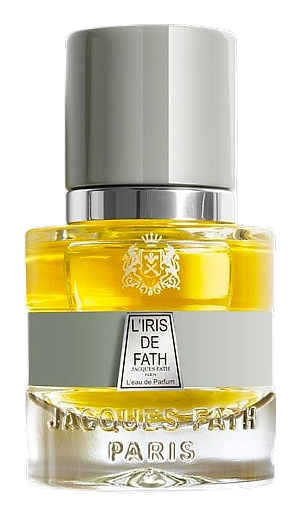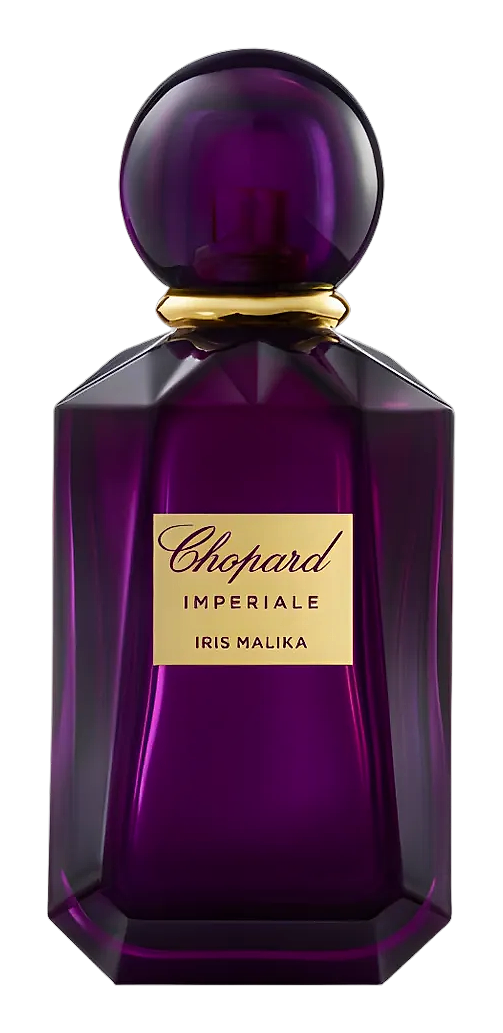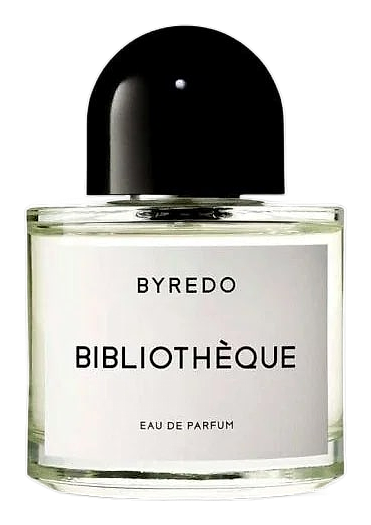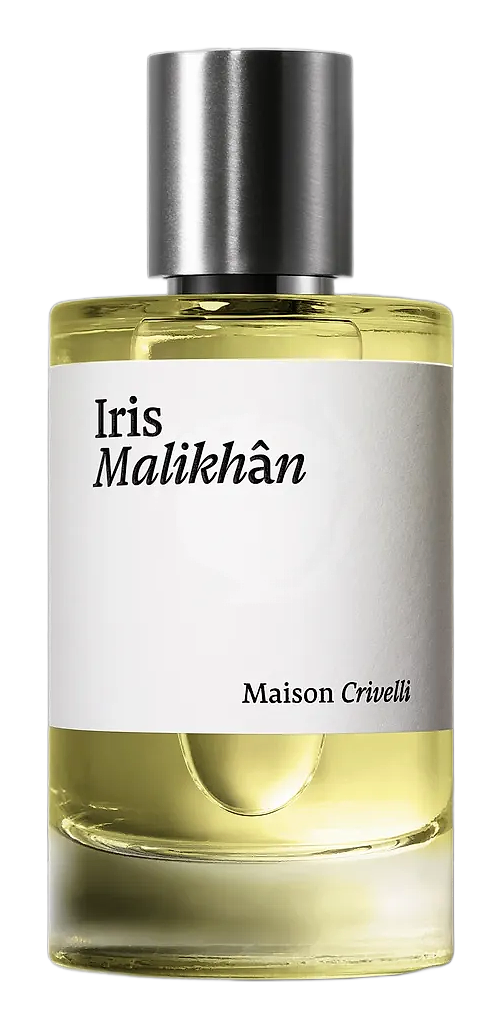
The Story
Why it exists.
The beginning
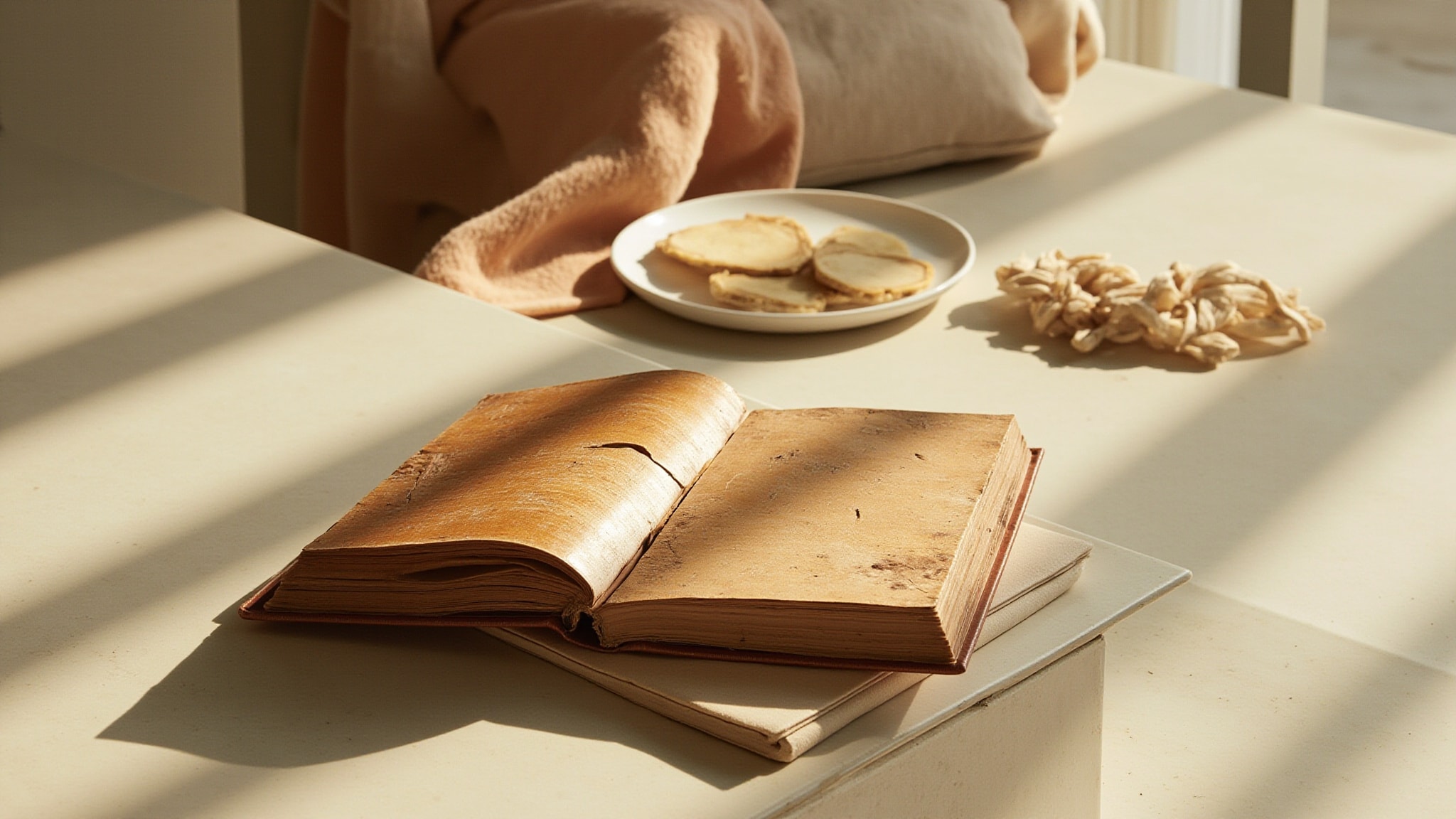
Giuseppina Strepponi died in 1897. She was Giuseppe Verdi's longtime companion, the soprano who sang his early works into being, who lived beside him through decades of composition and ambition. Iris was her favourite flower. When she passed, Verdi reportedly covered an entire room at Casa Verdi with them. Every wall, every surface. Visitors to that house in the decades since say the trace of iris never quite disappeared. Iris Wallpaper takes its name from that room. From that specific grief made architectural. The brief, if there was one, seems to have been: translate a place saturated with a single flower into something you can wear. Not a literal floral arrangement, something more textured, more lived-in. Something that lingers the way a room lingers after the person has left it.
The name is the brief. Wallpaper suggests enclosure, domestication, something that covers every surface of a room. The iris here doesn't arrive as a solitary stem or a delicate soliflore. It arrives papery and substantial, woven into the composition rather than floated above it. Carrot seed is the unexpected move. It brings a mineral-earth quality that most floral fragrances avoid entirely, the smell of soil, of something recently pulled from the ground. Against the powdery iris that follows, it creates a friction between the garden and the interior. Peony softens the transition, adds a fleshy sweetness that keeps the opening from feeling too austere. What makes the structure unusual is the leather in the base.
The evolution
The opening is brief. Carrot seed announces itself for maybe ten minutes, mineral, green, slightly salty, before peach arrives and rounds everything into something softer. The transition isn't dramatic. More like a door quietly closing behind you. The heart belongs to the orris. Powdery, slightly starchy, the smell of iris root processed into something almost architectural. Peony adds a fleshy sweetness that keeps it from reading as austere. This phase lasts the longest, three to four hours of clean, quiet presence. The leather is the slow reveal. It doesn't arrive all at once. It builds underneath the florals as they thin, adding warmth and weight to what was already there. By hour six, the composition has shifted entirely: leather and vanilla, with only a ghost of the powdery iris remaining. On fabric, it lasts until the following morning.
Cultural impact
Iris Wallpaper belongs to a specific moment in niche perfumery: the fragrance that prioritizes narrative over convention. Its audience is the wearer who treats scent as a form of self-knowledge rather than social signal. Bibbi sits alongside the more established Vilhelm Parfums, founded by Seger's husband, Jan Seger, in the space between personal storytelling and olfactory craft. The carrot-peach-iris structure reads as a deliberate move away from the safe powdery florals that populate this category. Whether it finds its audience in that intentionality is the more interesting question.