The Story
Why it exists.
The beginning
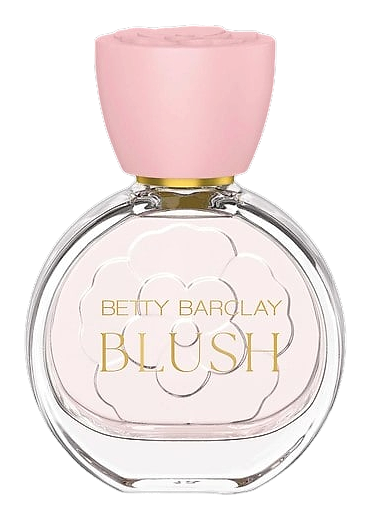
Blush arrived in 2026 as part of Betty Barclay's expanding fragrance portfolio, marketed by Mäuer & Wirtz. The name says the quiet part out loud. This isn't about bold declarations or structured elegance. It's about a flush of feeling, the kind that arrives before you name it. The fragrance positions itself as a daily companion, something for the moment you catch yourself in a mirror and feel quietly pleased. That tiny hit of self-recognition is the territory it stakes out. The whole concept leans into an emotional vocabulary that perfumery often skips past in favor of more elaborate language, treating a simple, involuntary reaction as worthy of its own bottle.
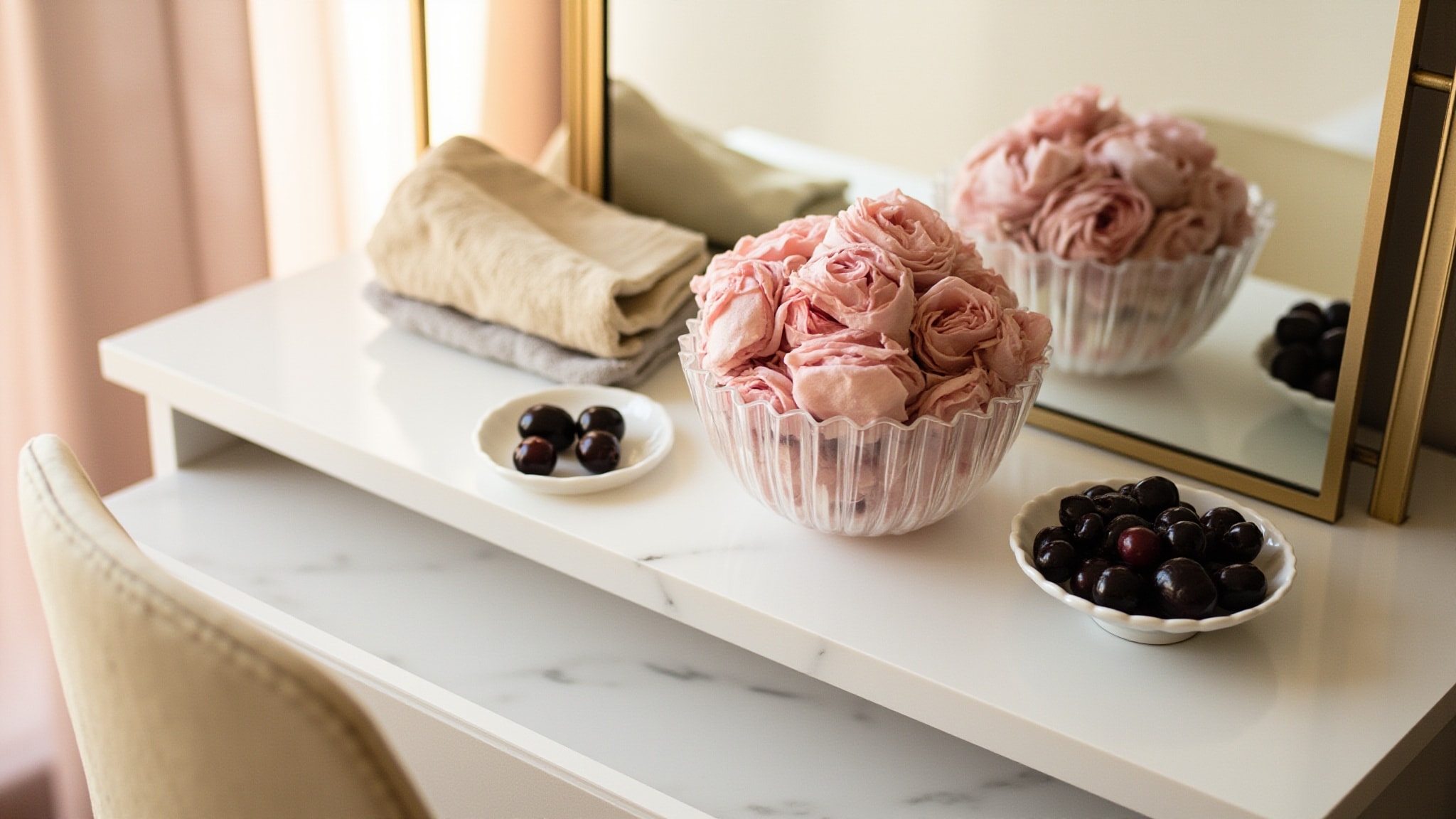
The composition doubles down on rose as the organizing principle, with Bulgarian rose anchoring the heart and a lighter rose note opening the top. When a fragrance commits to rose twice in its pyramid, it stops being a background player and becomes a frame around which everything else arranges itself. Freesia and blackcurrant keep things from going too serious, adding a fruity snap at the front. Heliotrope contributes its almond-adjacent warmth, which reads as the powdery sweetness hovering just underneath the florals.
The evolution
The opening is fruit-forward. Blackcurrant and rose tea make a bright, slightly tart entrance, and the freesia adds a clean, dewy lift that keeps the sweetness from cloying. There's a fizzy quality to the top notes, like the moment you twist the cap off something cold and sparkling. As the initial brightness softens, Bulgarian rose and jasmine move in and claim the space, and heliotrope pulls the powdery thread taut. This is the most traditionally floral phase. It smells like a vanity table, like pressed powder and silk. The rose here feels plush rather than sharp, cushioned by the jasmine into something that sits closer to skin. Then raspberry arrives underneath and shifts everything warmer. The musk settles in close to skin, and the patchouli adds just enough shadow to keep the sweetness from feeling naive.
Cultural impact
Blush Eau de Parfum sits at an accessible point in the rose-floral category, leaning on familiar combinations like Bulgarian rose, freesia, and blackcurrant alongside gentle powdery undertones. The fragrance pairs these well-known notes into something that reads as approachable rather than challenging, a blend designed for repeat wear rather than special occasions. Marketing through Mäuer & Wirtz connects the release to a wider distribution network that brings the scent into reach for a broad audience.