
The Story
Why it exists.
The beginning
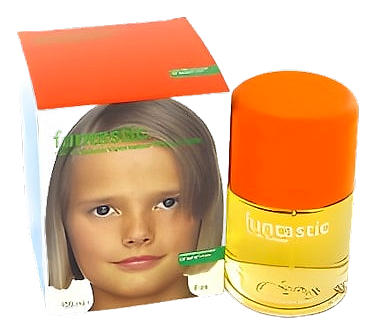
Funtastic Sweet Fruits for Girls arrived in 2000, catching the tail end of a decade that had grown comfortable with sweetness. Benetton released it as a fragrance aimed at a specific audience, one that wanted something uncomplicated and cheerful. Richard Herpin, the perfumer tasked with the brief, went for a streamlined composition built on forest berries, blackcurrant, lemon, and musk. No complexity for its own sake. Just the olfactory equivalent of a fruit punch stand at a summer fair, the kind of scent that doesn't try to impress you because it doesn't have to. The blackcurrant brings a dark, almost wine-like sweetness, the kind that reads as ripe rather than candy-coated.
What makes the composition interesting is what Herpin left out. There's no floral heart, no heavy base, no resinous anchor pulling the scent toward evening. The blackcurrant and lemon do double duty, working as both top sparkle and the tart spine that carries everything. The musk arrives early, warm and slightly sweet, and it never fully leaves. The composition skips the usual foundation-building tricks, the deep woods and vanillas that anchor so many fruity launches.
The evolution
The first fifteen minutes are loud, almost fizzy. Berries and lemon hit like sweet iced tea poured over ice, the kind with too much sugar. The tartness is real, the lemon pushing against the blackcurrant's jammy darkness. After about thirty minutes the top notes blur together, and the musk steps in, not heavy or animalic, but clean and slightly sweet, the way skin smells after a summer day. The drydown is where this fragrance reveals its quiet side. The fruit fades to a whisper, and what stays is a soft, warm musk with just a ghost of citrus. The musk has a faintly powdery edge that emerges only in the final hours, the kind of softness you notice more on a scarf than on skin. The blackcurrant's darker facets settle into something that smells almost like the bottom of a jam jar, sweet and faintly sticky in the best way.
Cultural impact
Funtastic Sweet Fruits for Girls occupies a specific corner of fragrance culture: the first perfume. Wearers who discovered it in 2000 or shortly after often describe it as the scent of childhood, birthday parties, and the first time they understood what fragrance could be. It lives in the memory lane of a generation who wore it before they knew what sillage meant, and that association runs deeper than most critical reception ever reaches.
The House
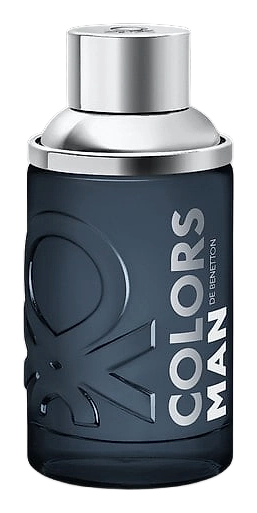
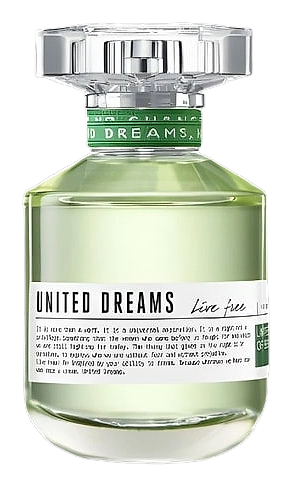
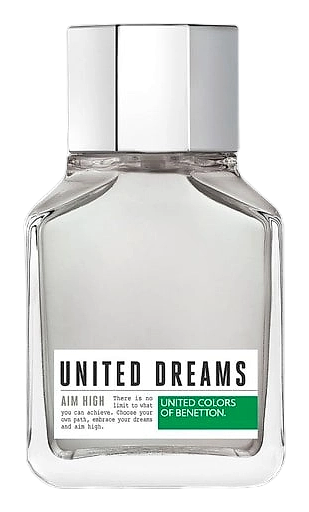
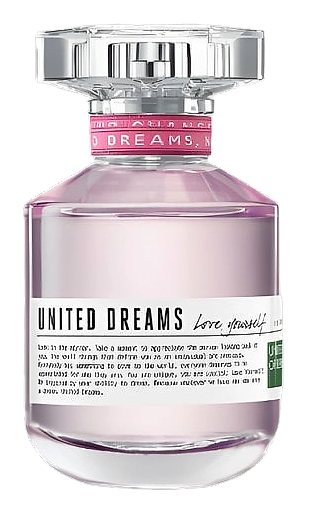
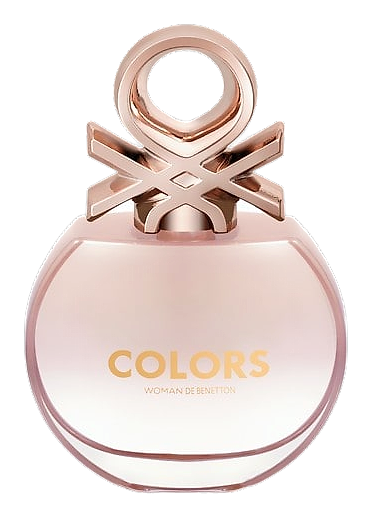
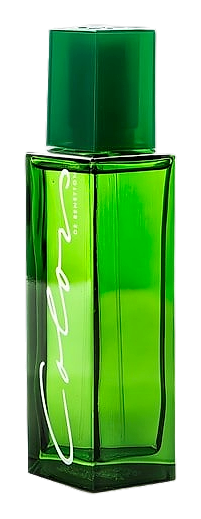
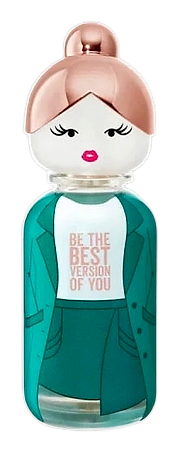
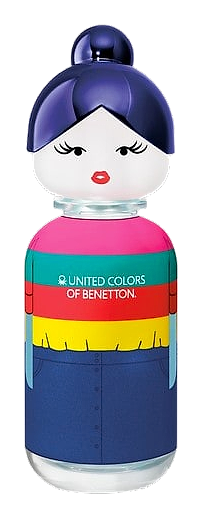
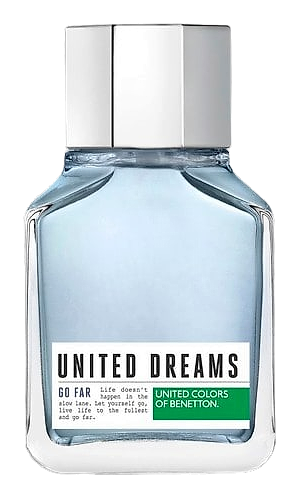
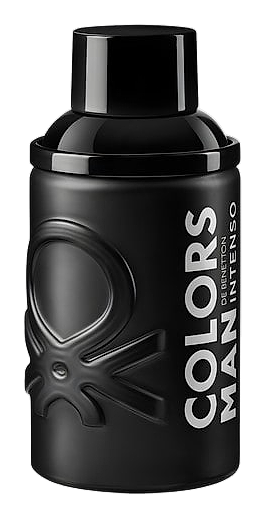
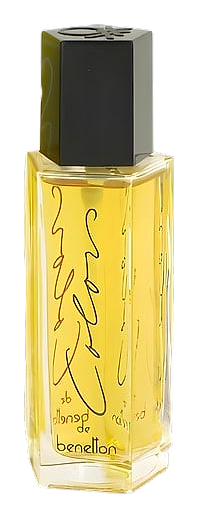
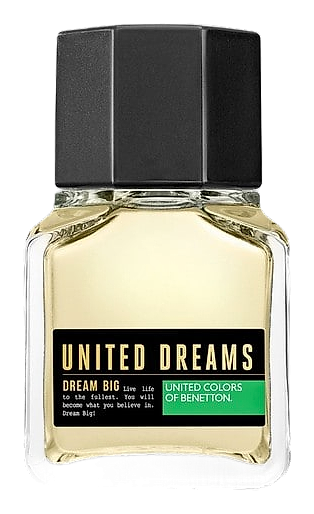
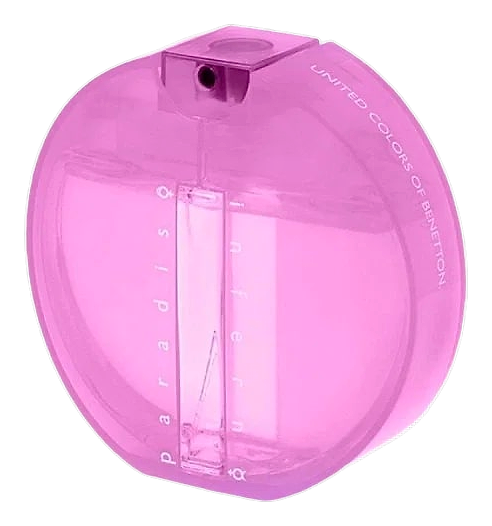
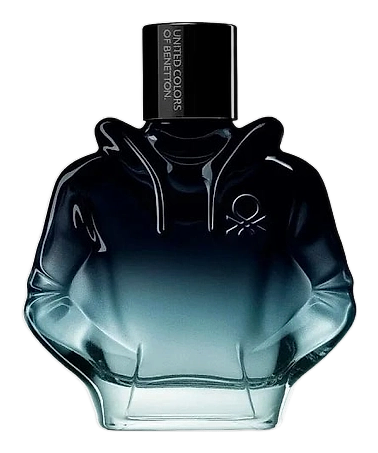
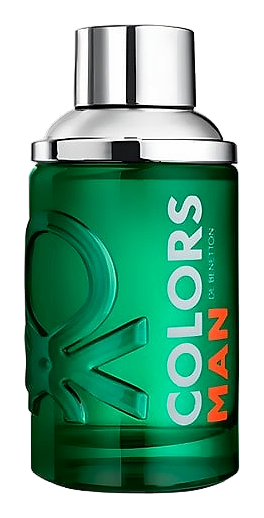
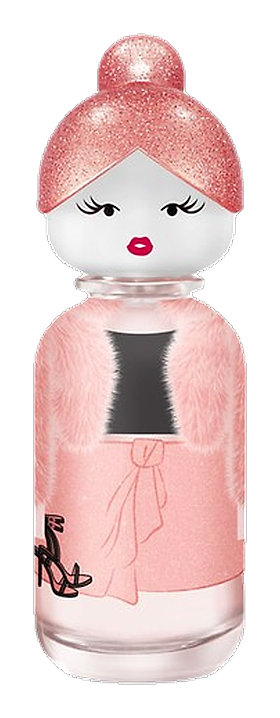
BenettonBenetton entered the fragrance market in the late 1980s, extending the colour‑driven ethos of its apparel line into scent. The first releases, Colors de Benetton for women (1987) and Colors de Benetton Man (1988), offered bright, approachable compositions that mirrored the brand’s reputation for youthful optimism. Over the decades the house has added niche‑style offerings such as United Dreams, a series that explores seasonal moods, and Sisterland, a collaborative line launched in 2024 that pairs narrative storytelling with scent. Today Benetton’s perfume portfolio sits alongside its clothing collections, each launch reflecting the same commitment to inclusivity and everyday wearability.
The Creator
Richard HerpinHis style tends toward carefully constructed accords, often with a grounding base that allows brighter top notes to shine. He's not afraid to use synthetics alongside naturals, blending them seamlessly to create textures and effects that are both modern and timeless.