The Story
Why it exists.
The beginning
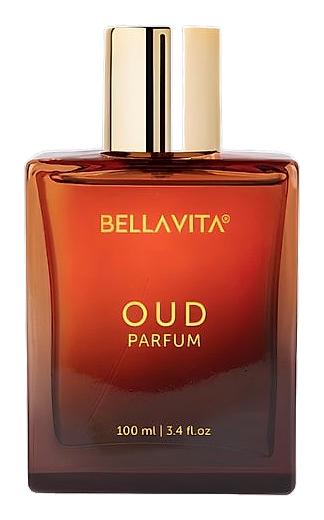
Oud Parfum carries a note list that makes no apologies for what it is. Sichuan pepper, cardamom, oud, sandalwood, vanilla, tonka. Six ingredients arranged in a pyramid that reads like a direct statement rather than a guessing game. There's nothing hiding in the composition, no rebranded florals or timid additions designed to soften the edges. The oud sits where oud belongs, unhidden, and the supporting cast around it is built to amplify rather than obscure. Pepper for heat, cardamom for spice, sandalwood for foundation, vanilla and tonka for the slow pull toward warmth as the hours pass. What you're holding is a fragrance that announces its identity in the first spray and spends the rest of the wear refusing to dilute that message.
The note structure tells you everything about the intent without requiring translation. Sichuan pepper and cardamom open the composition together, a pairing that delivers immediate warmth rather than any attempt at brightness or airiness. This fragrance leads with spice, not freshness, and that choice shapes everything that follows. Oud sits in the heart alongside sandalwood, creating a woody center that carries weight and density. The base of vanilla and tonka underneath that woody backbone means the drydown leans sweet and resinous, a combination that reads as indulgent rather than austere.
The evolution
The first fifteen minutes belong to the spice. Sichuan pepper and cardamom arrive quickly, setting a warm and aromatic tone that wastes no time establishing presence. The oud follows close behind, joining the opening act rather than waiting for a formal transition. There's no gentle ramp-up here; the fragrance steps into the room fully formed. Within thirty minutes, the heart takes over, and the oud anchored by sandalwood creates a dense, smoky center that fills the air around you without effort. This is where the fragrance feels like itself, a moment of full arrival that defines the entire wear. The vanilla and tonka creep in slowly during the second and third hours, wrapping the woody backbone in something warmer and slightly creamy. The sweetness doesn't overpower; it deepens, adding dimension to the oud rather than competing with it. By hour four, the pepper has faded completely.
Cultural impact
Oud has a long history in perfumery, rooted in traditions where resinous woods carried spiritual and ceremonial weight. Over time, oud has moved beyond those origins and into mainstream fragrance culture, appearing in compositions from houses across multiple continents. What was once a material associated primarily with specific regional traditions now shows up in everything from designer launches to indie formulations, a shift that speaks to how fragrance trends travel and evolve. Oud Parfum participates in that broader conversation, offering a recognizable oud profile within a contemporary blend.