The Story
Why it exists.
The beginning
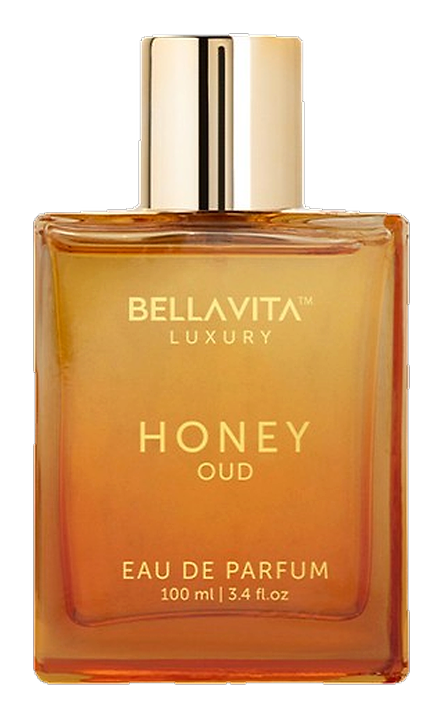
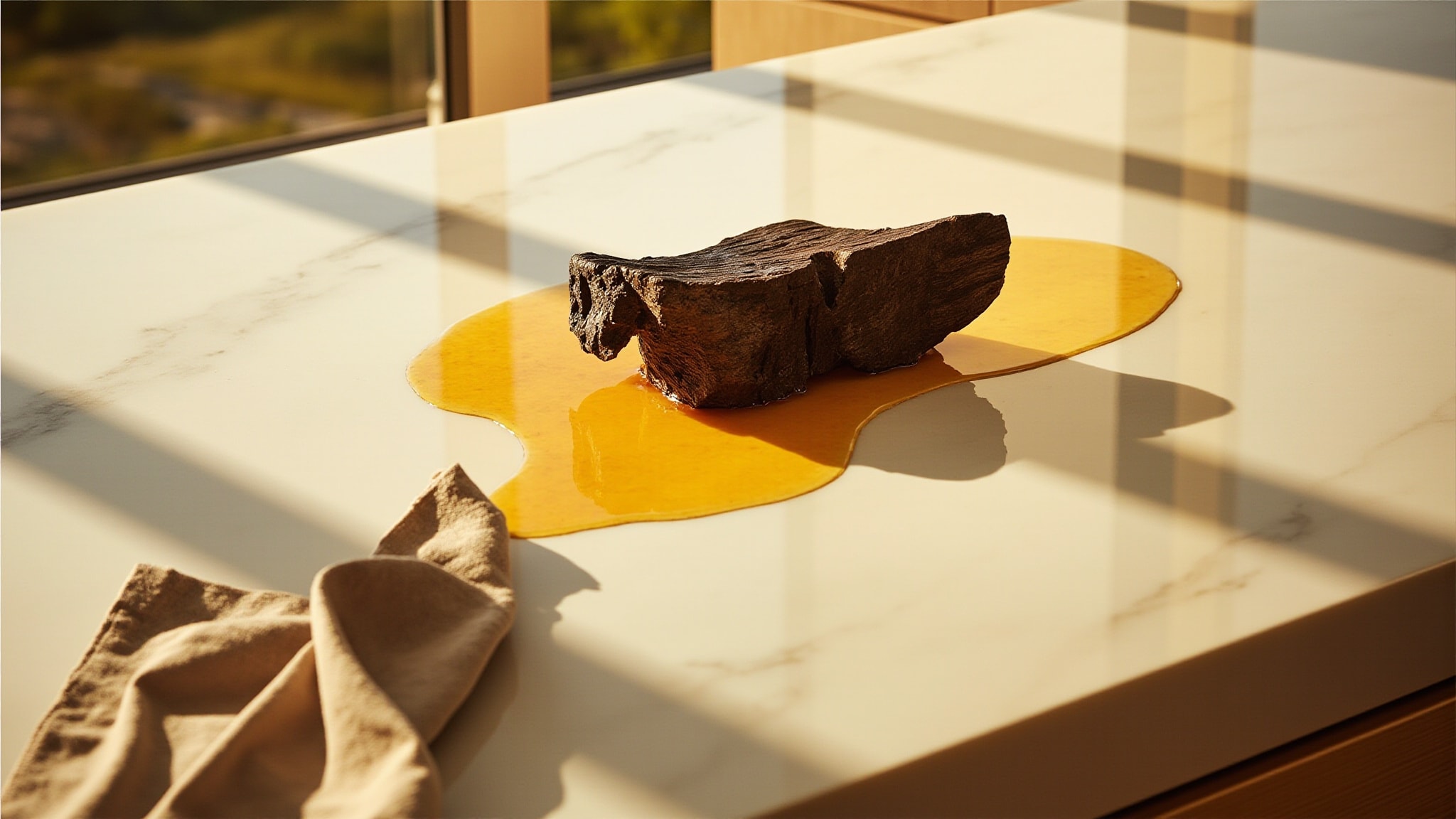
Floris London, Britain's oldest independent perfumer with Royal Warrants and nearly three centuries of craft, created Honey Oud in 2014 for Harrods. Part of the Private Collection, it launched alongside Leather Oud as one of two oriental-woody fragrances built around precious oud wood, reinterpreted here with honey. The brief was simple in concept: take one of the most expensive materials in perfumery and make it approachable without neutering it. Floris didn't hide the oud. They dressed it. English honey, vanilla, and rose became the velvet glove, oud the hand beneath. The result is opulent without aggression. A fragrance that wears its luxury quietly, the way the British aristocracy has always preferred.
Oud appears three times in this pyramid, top, heart, base. That's not an accident. It's structural. The material isn't added for intrigue in the drydown. It anchors the entire composition from the first spray. What makes Honey Oud distinctive isn't the oud itself. It's the honey. English honey carries a golden, almost edible sweetness that rounds the oud's natural darkness without diluting it. The vanilla amplifies this softness, creating a gourmand quality rare in oud-focused fragrances. Rose and patchouli do the quiet work of balancing. Patchouli from Indonesia adds earthy grounding that keeps the sweetness from floating. The rose doesn't compete with the oud, it converses with it.
The evolution
The opening is bergamot and English honey, bergamot lending a brief flash of citrus brightness before the honey takes over, golden and immediately warm. The sweetness isn't shy. It announces itself like a luxury brand should. Within minutes, the oud arrives. Not aggressively, it slides in beneath the honey, adding depth rather than darkness. Rose blooms at the heart, finding its space between the sweetness and the wood. Patchouli provides the earthy counterweight that keeps everything grounded. The heart phase is where this fragrance earns its Private Collection status. Oud, rose, and patchouli in conversation, no single note dominating, each supporting the others. The bergamot has faded, but its brightness still echoes in the background. The drydown is where the oud finally takes center stage, softened by vanilla and musk into something warm rather than confrontational. Amber and labdanum extend the warmth. The honey never fully disappears, it gentles into the base, becoming a memory of sweetness rather than the statement it was at the opening.
Cultural impact
Honey Oud sits at the intersection of Middle Eastern oud traditions and Western refinement, representing how British perfumery interpreted precious materials through an English sensibility. The combination of honey and oud draws from contrasting cultural contexts: oud carries centuries of ceremonial and spiritual significance across South and Southeast Asia, while honey represents one of the oldest aromatic materials in European perfumery. By 2014, oud had moved from niche curiosity to mainstream luxury in Western markets, and Floris positioned Honey Oud as an accessible introduction to the genre. The fragrance represents a broader cultural moment when Western consumers began embracing oud not as exotic novelty but as sophisticated oud experience that felt new for 2014.