English honey
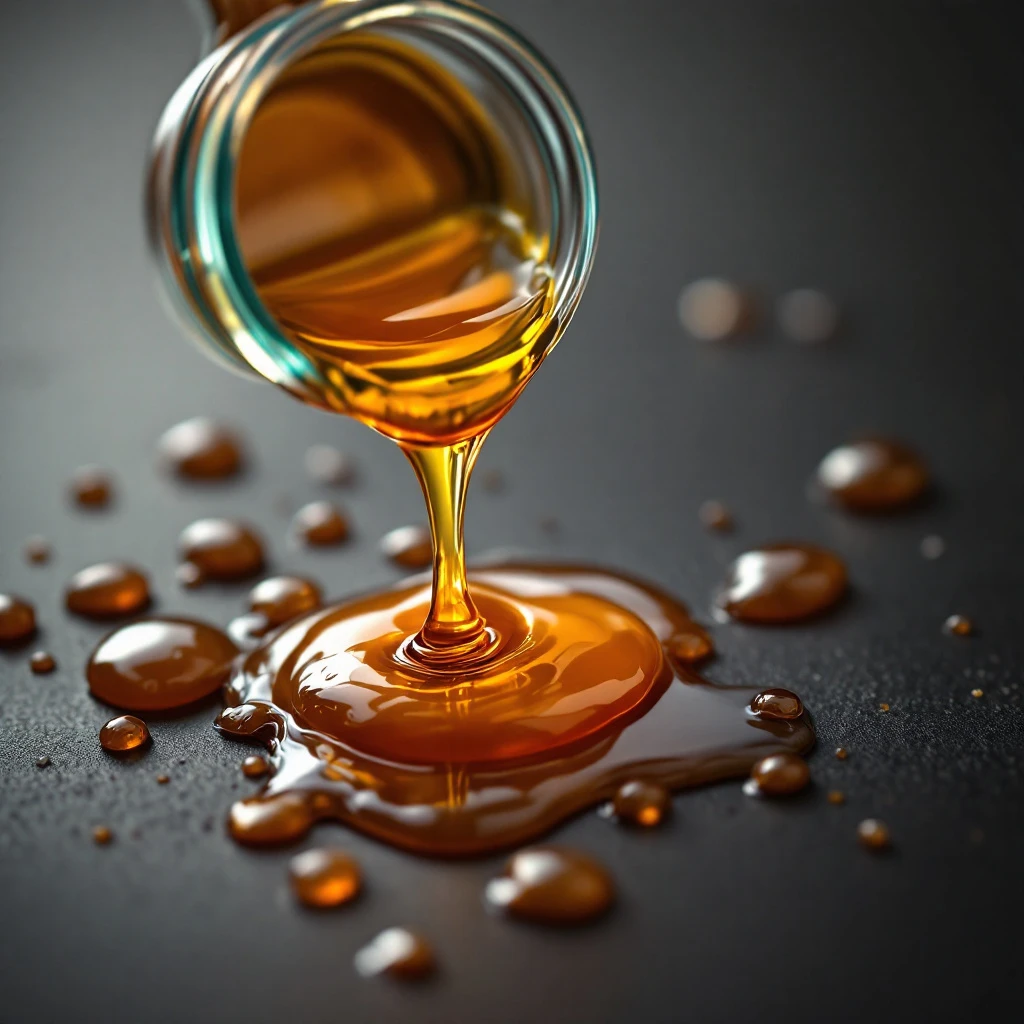
Golden, warm, unmistakably British. English honey captures the sweet nectar of meadow wildflowers and clover, creating a cozy, enveloping foundation in perfumery. The distinct floral and herbal qualities of British honey give it a refined complexity that adds depth to orientals and florals alike.
Character
How it smells
Golden, warm, unmistakably British
The first known perfume recipe listed honey as a key ingredient on the Ebers Papyrus, dated to 1500 BCE.







Origin
United Kingdom
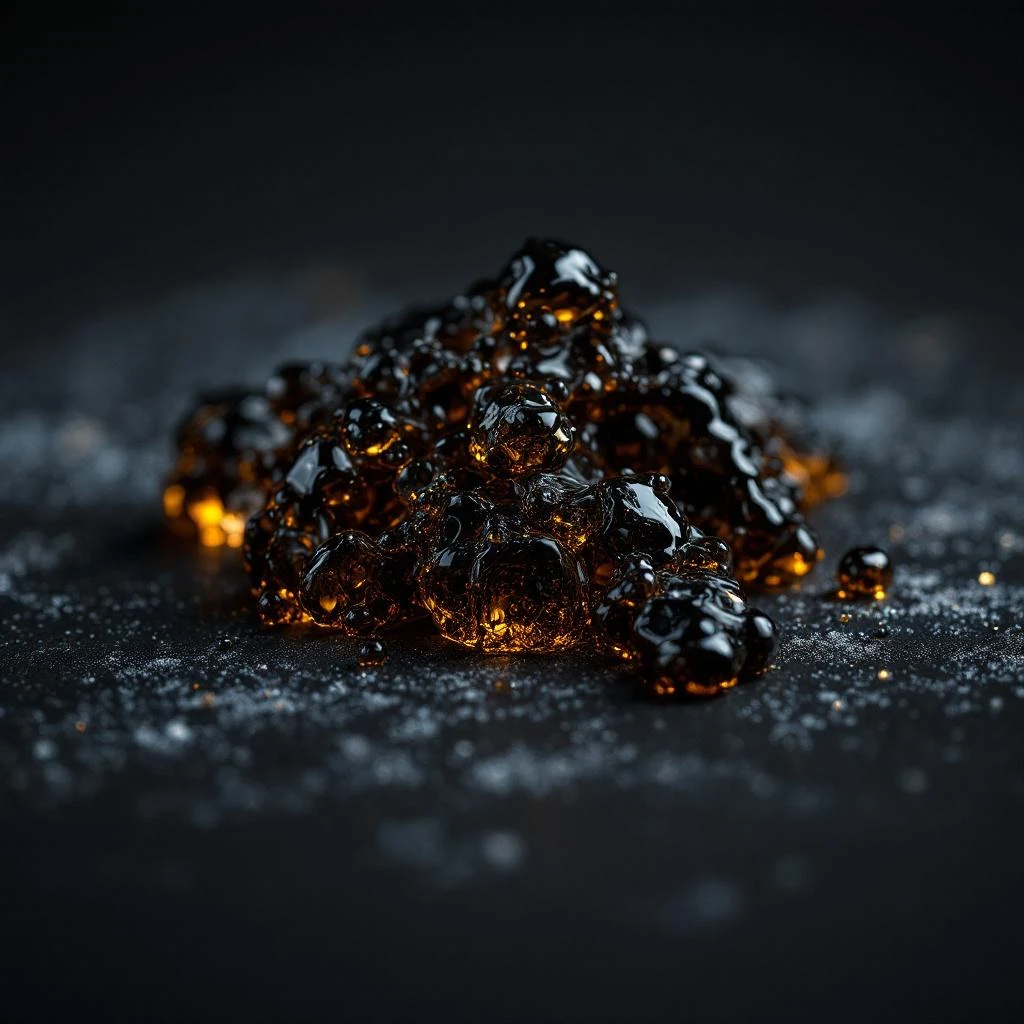
Honey ranks among the oldest aromatic materials humans ever used. The first known perfume recipe, listing nine ingredients boiled with honey, appears on the Ebers Papyrus from 1500 BCE, giving honey over 3,500 years of recorded use in fragrance.
Egyptian perfumers mastered honey's dual role as fixative and fragrant material, blending it with resins and botanicals for sacred unguents. In England, beekeeping has shaped rural life for centuries.
The island's rich variety of wildflowers, clover, and lavender yields honey with floral and herbal qualities that British perfumers have long prized. Today, English honey remains a celebrated note that connects modern fragrance to ancient traditions and the landscape itself.
Wears it best
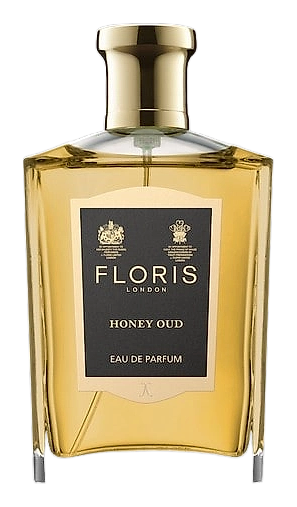
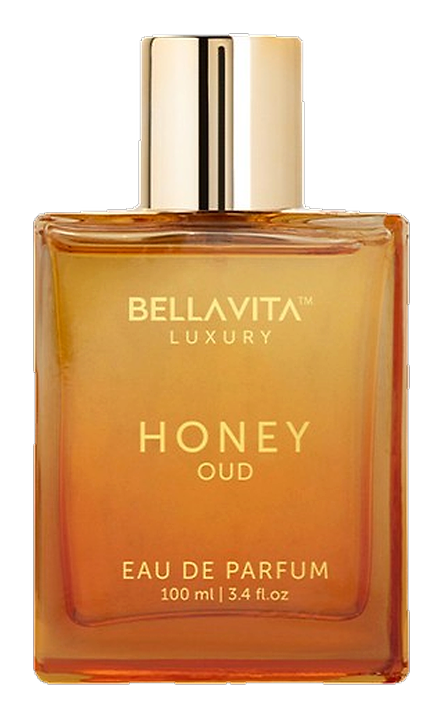
Fragrances featuring English honey
Good to know
Questions, answered
The essentials on English honey in perfumery: how it smells, where it comes from, and how it behaves on skin.
What does English honey smell like in a fragrance?
English honey in perfumery smells warm, sweet, and slightly waxy with floral undertones reminiscent of clover and lavender. It often carries a subtle beeswax quality that adds depth and a natural, almost edible richness to fragrances.
Which fragrance families use English honey most often?
English honey appears most often in oriental and gourmand fragrances, where it adds warmth and natural depth. Floral and amber compositions also benefit from honey's sweet, enveloping quality, and it pairs particularly well with amber and vanilla notes.
How long does honey last on the skin?
Honey notes typically last four to eight hours on skin, depending on concentration. Beeswax absolute acts as a natural fixative, slowing evaporation and helping surrounding notes linger longer. Higher concentration formulas will extend the honey's presence significantly.
Is English honey a natural or synthetic ingredient?
English honey in perfumery is usually natural through beeswax absolute, extracted from honeycomb using solvents. Some fragrances use synthetic honey accords built from molecules like phenylacetaldehyde to replicate specific aromatic qualities of real honey.
Does English honey cost more than other ingredients?
English beeswax absolute falls in the mid-range for natural perfumery materials. Production involves careful solvent extraction and multiple processing stages, which drives cost above basic aromatics but below rare naturals like oud or iris root.
What notes pair well with English honey?
English honey blends well with amber, vanilla, sandalwood, tonka bean, and benzoin, which amplify its warmth. It also enriches floral compositions when paired with rose, jasmine, or orange blossom, adding a natural, honeyed richness.
How do perfumers work with honey notes during formulation?
Perfumers often build honey accords layer by layer, using beeswax absolute for its waxy depth and adding sweeter honey molecules for the characteristic nectar quality. Blending with amber materials helps the honey note develop more fully on skin over time.
What makes English honey distinct from honey from other regions?
English honey reflects the island's unique flora, including wildflowers, clover, and lavender found across British countryside. This floral diversity produces honey with lighter, more herbaceous qualities compared to darker, bolder honeys from tropical regions.