The Story
Why it exists.
The beginning
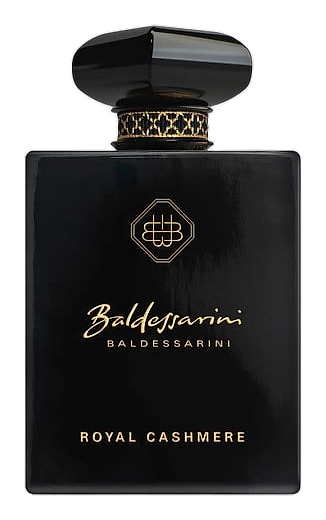
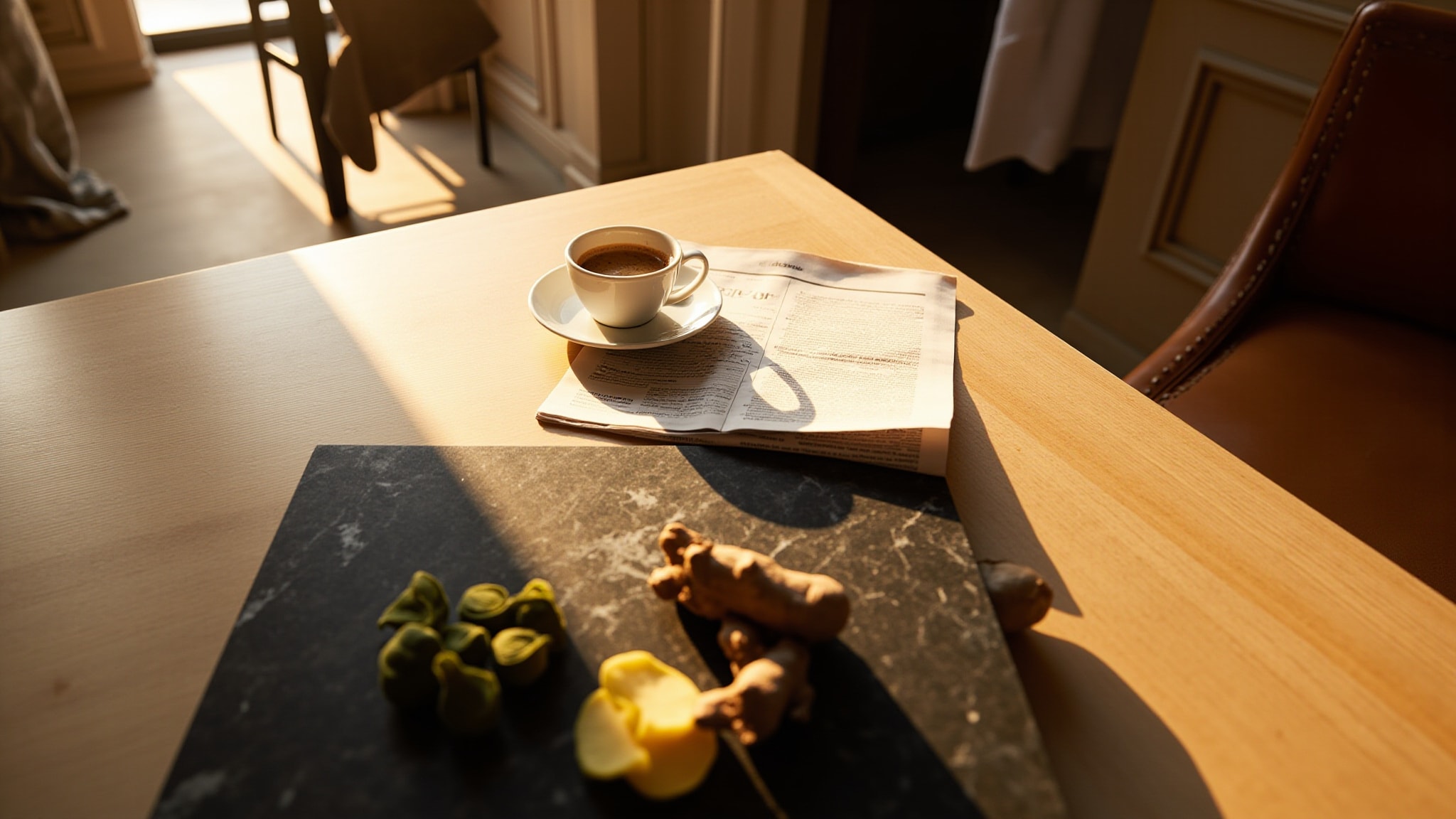
Royal Cashmere arrived in 2026 as part of the Baldessarini Collection, a line that approaches fragrance with the precision of a tailor fitting a good suit. The composition reads like a deliberate statement of intent. Perfumer Hamid Merati-Kashani shaped the scent around an unconventional structure: warm spice up top, wood through the middle, a close-hugging creamy base. It isn't built to shout across a room. It is built for the person who stopped needing that years ago. The opening hits with ginger and cardamom, sweet-sharp before settling into something rounder, and the honey underneath acts as connective tissue rather than ornament. It feels composed rather than decorated, every element earning its placement through weight and warmth rather than flash.
What makes Royal Cashmere worth a second look is the decision to stack honey and ginger before any florals appear. This one starts warm, lets the spice do the convincing first, and brings the rose in as a moderator rather than the lead. Copaiba wood carries the middle, a material with its own resinous character, giving the heart a dry warmth that keeps the ginger honest. The rose that enters is dusty and faded, more a suggestion than a declaration, and it serves to round the spice rather than compete with it. It's a quiet structural choice, and it changes how the whole thing reads on skin.
The evolution
Ginger lands first, sweet-sharp, the kind of warmth that registers before you identify it. Cardamom follows, rounder and slightly sweet, and the honey underneath ties them together without turning cloying. The spice begins to settle, and Copaiba wood emerges alongside cypress, giving the composition a dry, slightly resinous backbone. Rose appears here, but not the candied kind, more like the memory of rose, faded into wood, a suggestion rather than a statement. The middle holds its shape, and the transition to drydown is gradual rather than dramatic. Ambroxan and cedarwood arrive together, the vanilla underneath them adding a creaminess that softens the wood without sweetening it. The base feels clean and slightly mineral, warmed by vanilla, grounded by cedar, and the whole composition tightens toward something close and steady. It doesn't announce itself. It doesn't need to.
Cultural impact
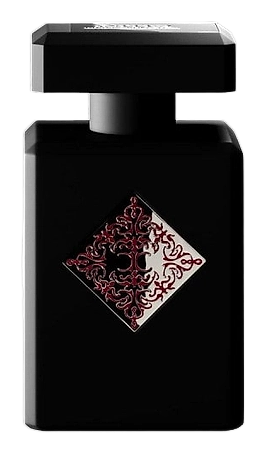
Some wearers have drawn comparisons between Royal Cashmere and heavier oud-rose compositions like Ombre Nomade, noting an unexpected density for a fragrance that doesn't list either material. That surprise, a warm-spice and wood composition reading richer than its note list suggests, is where Royal Cashmere finds its character. It occupies a territory that rewards attention, asking the wearer to lean in rather than catch a scent on the breeze. The discussion around it tends to focus on structure and intent, the sense that this is a composition designed with a specific kind of wearer in mind rather than built to chase attention.
The House
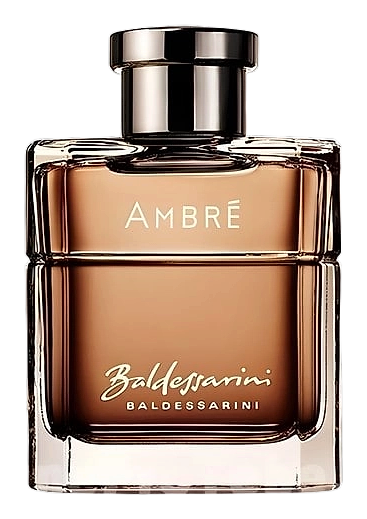
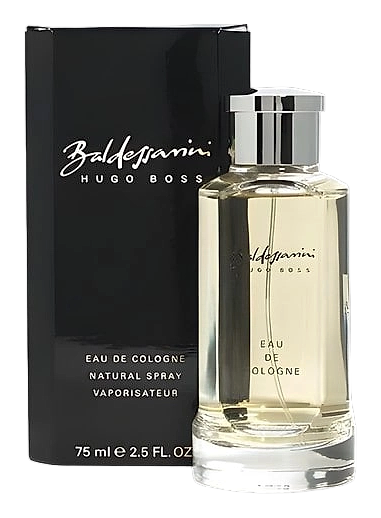
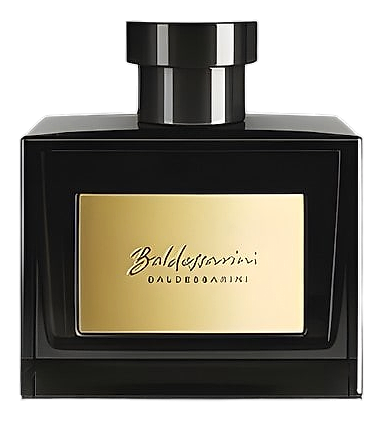
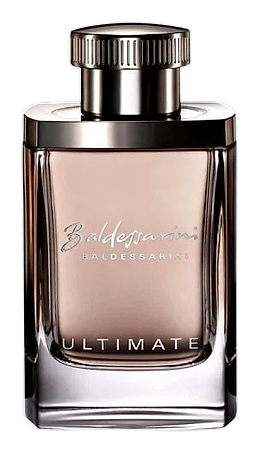
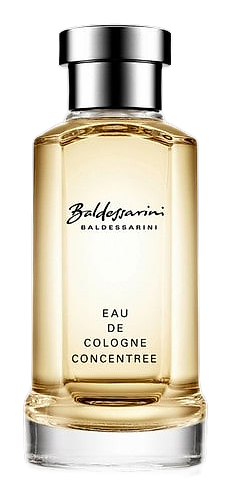
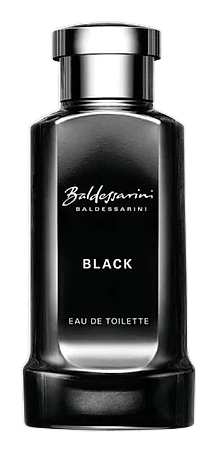
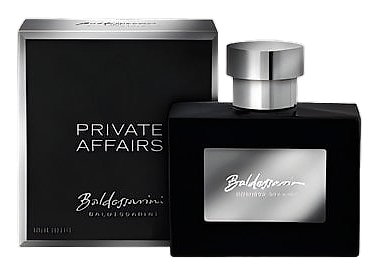
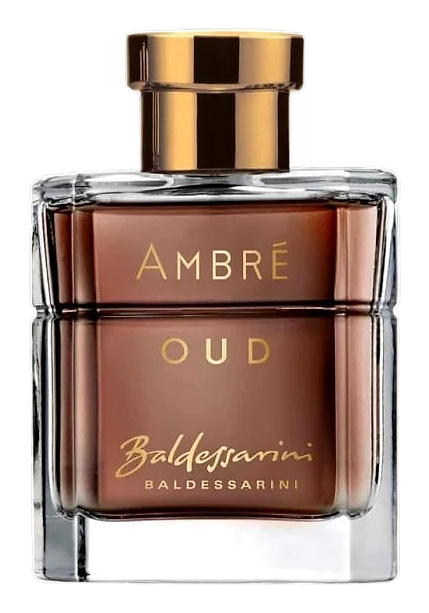
BaldessariniBaldessarini is a German luxury menswear and fragrance house founded in 1993, originally conceived as the premium line of Hugo Boss before becoming an independent entity. Named after Werner Baldessarini, the Austrian fashion designer who served as chief designer and later CEO of Hugo Boss, the brand embodies refined masculinity with its iconic slogan "Separates the men from the boys." The fragrance division launched in 2002 with the debut Baldessarini Eau de Cologne, a sophisticated citrus-tobacco composition that set the tone for the house's olfactory identity. Now owned by Mäurer & Wirtz, Baldessarini continues to craft accessible luxury fragrances for the discerning gentleman who values timeless elegance over fleeting trends.
The Creator
Hamid Merati-KashaniFrom the evidence available, Merati-Kashani's style tends toward the opulent and the gourmand, with a clear appreciation for rich, complex accords. There's often a signature use of vanilla, spices, and woods, creating fragrances that are warm and inviting.