The Story
Why it exists.
The beginning
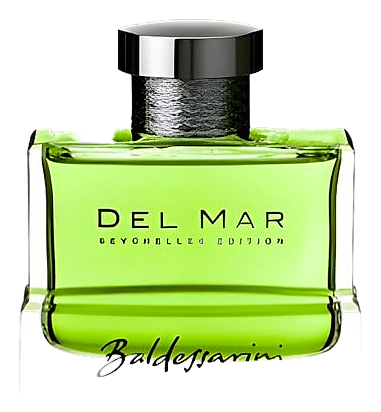
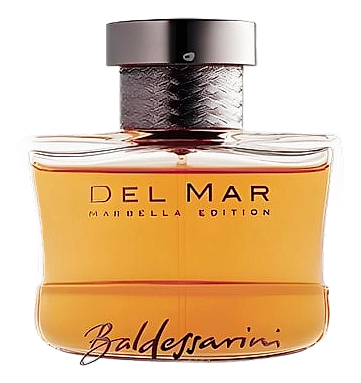
Del Mar Marbella Edition arrived in 2008 as Baldessarini's interpretation of the Mediterranean at its most unhurried. Marbella, the Costa del Sol's most self-assured address, gave the brief: Spanish light, Spanish leisure, but with the structure German engineering demands. This wasn't about capturing a beach. It was about capturing the hour just after, when salt still clings to skin and the evening hasn't yet decided what it wants to be.
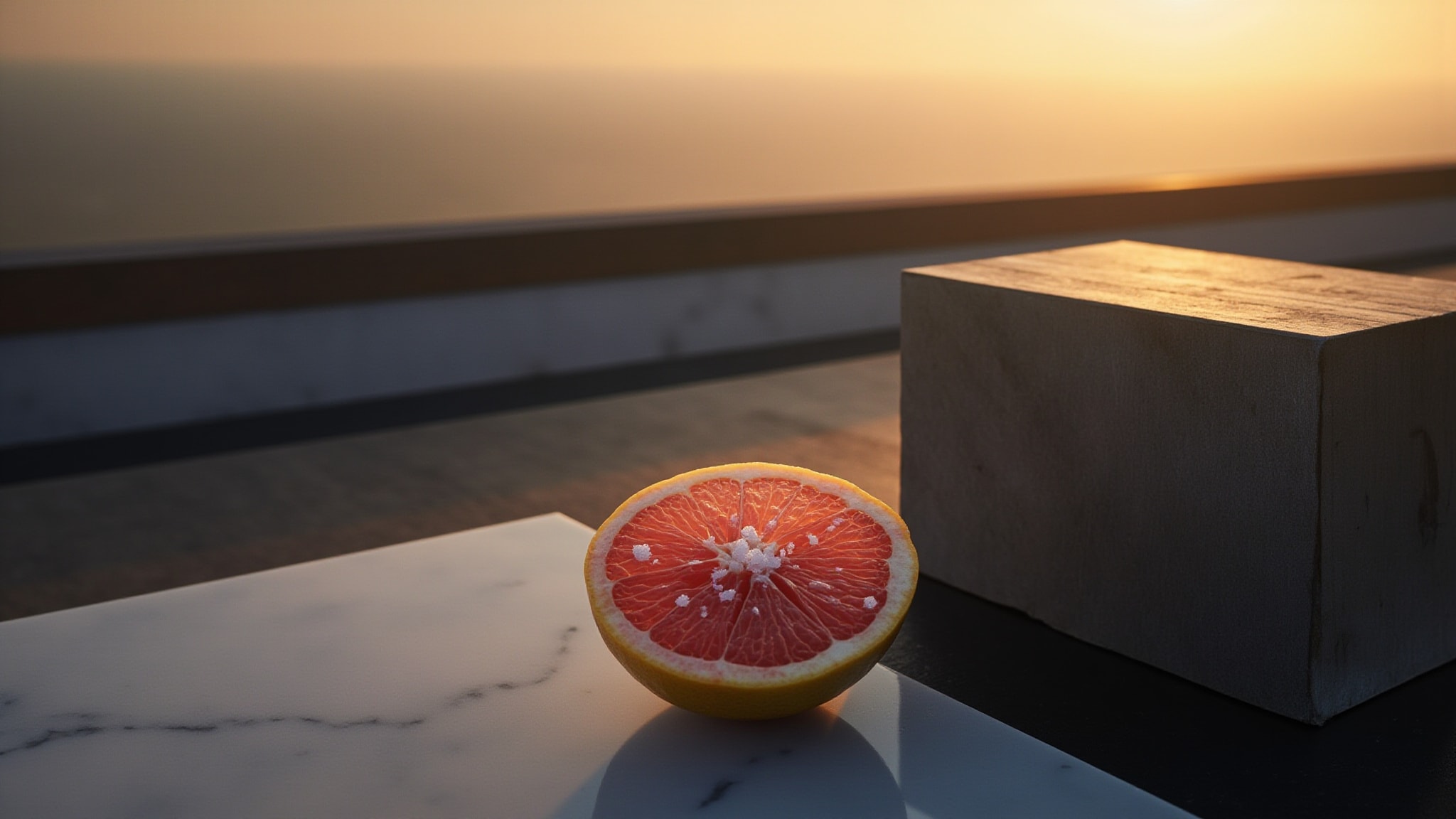
What makes this work is the refusal to go aquatic. Salt notes often signal a marine accord, waves, ozone, something synthetic and translucent. Here, salt arrives through grapefruit instead, giving it a citrus-bitter edge that feels more like the rind than the sea. Cedar and cardamom in the heart keep the structure woody and slightly spiced, while ambergris in the base adds that mineral-animal warmth that separates longevity from projection. The composition earns its longevity rather than demanding attention to achieve it.
The evolution
The opening arrives fast, grapefruit and salt hit simultaneously, giving you that mineral-citrus jolt before you've had time to prepare. Within ten minutes, cardamom softens the citrus edge while cedar establishes itself as the dominant character. The heart phase is where this fragrance earns its reputation: warm, woody, slightly spiced, with the salt retreating to a background mineral note rather than disappearing entirely. Three hours in, vetiver and ambergris take over, creating a drydown that's closer to skin-warm wood than the bright opening. On fabric, this settles into something that smells like the inside of a leather bag left open near the sea. The projection drops significantly after hour two, but the skin presence continues for another two to four hours depending on skin chemistry.
Cultural impact
Del Mar Marbella Edition arrived in 2008 as a refinement of Baldessarini's Mediterranean vision, positioning itself within the late-2000s trend of upscale coastal masculinity. The fragrance captured a specific cultural moment when luxury men's perfumery was moving away from aggressive aromatics toward refined, lifestyle-oriented compositions. Its grapefruit-salt opening reflected broader cultural associations between Mediterranean identity and sophisticated leisure, while the woody drydown aligned with a period preference for restrained elegance over statement scents. The Baldessarini brand, tied to the fashion designer Werner Baldessarini, brought a fashion-lifestyle credibility to fragrance that distinguished it from purely olfactory creations.