
The Story
Why it exists.
The beginning
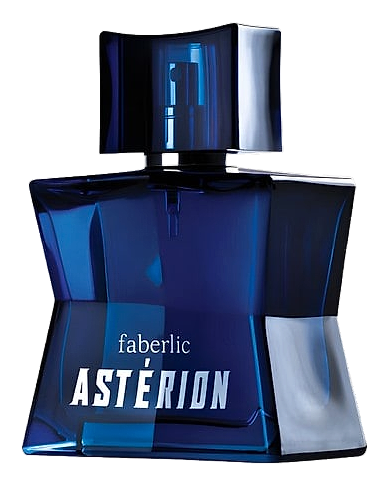
Astérion takes its name from Greek myth, the Minotaur's true name, the one that means star. Janek Kozeluh designed this fragrance around that same tension: light trapped in darkness, sweetness hiding in shadow. Launched in 2014, it was built to surprise from the first spray. The bright citrus opening reads like daylight on the label. But Kozeluh had something else in mind. He planted warmth beneath the surface, let fruit and spice complicate what should have been straightforward, and anchored everything in leather and vetiver, materials that smell like the labyrinth's walls, not its entrance. The star-child was never meant to be easy to find.
What makes Astérion work is the pineapple. It shouldn't belong here. Citrus-aromatic compositions rarely invite tropical fruit, the risk is linearity, sweetness without depth. But Kozeluh uses it differently. The pineapple arrives mid-development, slipping beneath the cardamom and pepper, offering warmth that the citrus alone couldn't sustain. It's the composition's quiet argument: that unexpected sweetness, used with restraint, creates more interest than boldness alone. The leather base doesn't fight it.
The evolution
The opening announces itself immediately, grapefruit and lemon cutting clean through the air. This is the shortest phase. Within minutes, the citrus recedes as cardamom and black pepper take position, warming the composition without adding actual heat. Then the pineapple emerges. It doesn't dominate. It softens. The spice becomes less clinical, more aromatic, and for a brief window Astérion smells almost gourmand, sweet, warm, unexpectedly soft. The drydown belongs to leather and vetiver. Cedar arrives last, adding structure that outlasts everything else. On fabric, the leather and vetiver combination can persist well into the next day, faint, intimate, the ghost of the labyrinth's deepest corridor.
Cultural impact
Astérion occupies an interesting space in the Faberlic lineup, neither the brand's most popular release nor its most obscure. Community ratings place it in the solid-good range: citrus-aromatic enough to wear year-round, warm enough to feel intentional in cooler months. Wearers gravitate to it for the pineapple note specifically, it's unusual enough to be memorable, subtle enough not to overwhelm. The leather-vetiver base earns consistent praise in drydown discussions, with some noting it persists longer than the 4-6 hour baseline suggests.