The Story
Why it exists.
The beginning
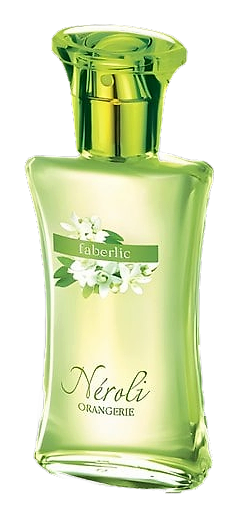
For Faberlic's 2013 launch, perfumer Alain Allione worked from a clear idea: neroli as the central note. Neroli gives the honeyed sweetness of orange blossom, a floral warmth that feels familiar yet elevated. Litchi adds a translucent tropical note that feels cool rather than heavy, its sweetness tempered by a crisp, almost crystalline quality that keeps the opening lively. Marine notes lift everything, introducing a clean, airy dimension that prevents the composition from becoming too dense or overly sweet. Blackcurrant keeps the florals from going fully sweet with a tart, fruit-skin edge, a subtle sharpness that grounds the more delicate notes and adds dimension. The combination creates something cohesive and intentional, a fragrance that knows exactly what it wants to be.
What makes this composition work is the restraint. White florals are notoriously difficult; they swing between beautiful and overwhelming, between garden and perfume counter. Here, the marine element adds balance, preventing the florals from becoming too dense or cloying. The blackcurrant is the unexpected choice in this pyramid. Often used as a bridge note in fruity compositions, it appears here between white flowers and sea salt, adding a tartness that reads more green than sweet, a quality that keeps the overall impression grounded and fresh rather than purely floral.
The evolution
The neroli and litchi open bright and tart, like biting into a lychee that's been sitting on ice. The citrus-floral character arrives immediately, sweet but with an edge that wakes you up. Within minutes, white flowers emerge beneath the litchi's sweetness, and the marine quality begins to surface. Not ocean salt exactly. More the smell of damp stone near open water, clean, mineral, alive. The heart opens fully and white flowers become more prominent. Rose and white flowers blend with the blackcurrant's tartness, and the aquatic notes deepen into something genuinely sea-breeze-like. The blackcurrant lingers here longer than expected, adding a fruity undertone that keeps the florals from going powdery. By the second hour, the florals begin to settle. Cedar arrives first, dry and green, followed by sandalwood's creamy warmth and musk's skin-like softness.
Cultural impact
Orangerie Neroli arrived in 2013 as part of the broader Orangerie collection, a line built around botanical-floral compositions with clear, accessible structures. The floral aquatic category had been growing in the market, and this fragrance offered a distinctive take within that space. Wearers describe it as a fragrance for someone who wants to smell good without complication, a category that sounds simple but requires real precision to execute well. The composition balances clean marine notes with white florals and a fruity undertone, creating something that feels modern without being trendy.