Alain Allione
Alain Allione never left Grasse, and that says everything. Born into the city where perfume is as essential as bread, he absorbed the language of flowers before he could name them. For more than thirty years, he has translated the violet fields and rose terraces of Provence into liquid form, first as a student, then as a creator at Expressions Parfumées, where he now serves as senior perfumer. His career unfolded the traditional way—apprenticeships under master noses, years of raw material study, slow mastery of composition. Le Persona, the niche house, became one of his key collaborators in recent years, giving him space to work without compromise. His work for the brand reveals a man who understands that restraint produces more lasting impressions than excess. Allione does not chase trends. He waits for them to pass.
The hits
Notable creations

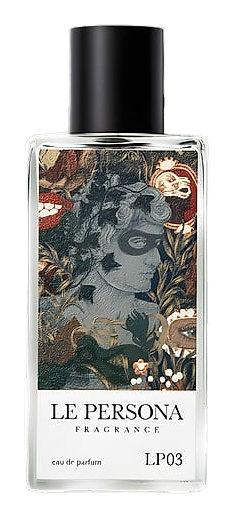
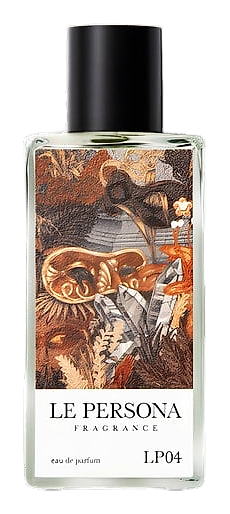
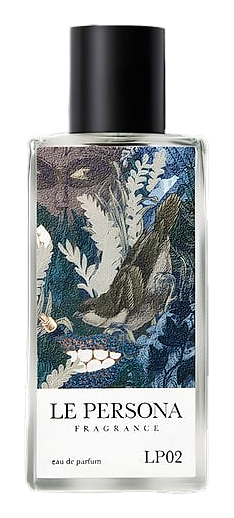

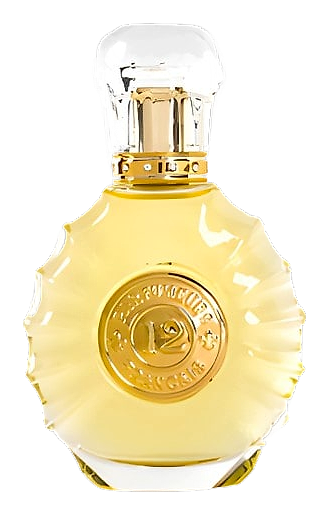



The signature
How Alain composes
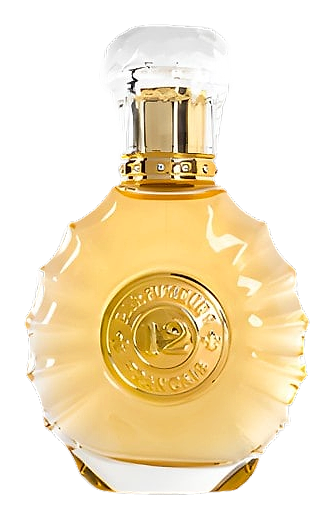
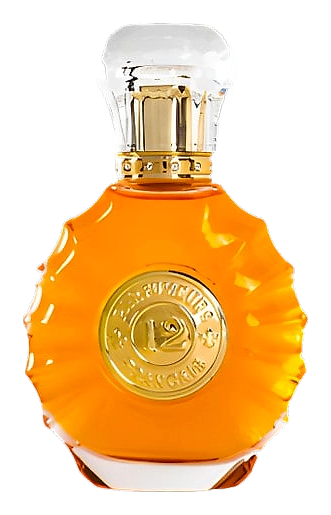
Allione favors depth over decoration. His compositions layer slowly, revealing different facets over hours rather than minutes. He gravitates toward woody and resinous base materials, using them as architecture rather than ornament. The Golden Gem and Peacock Feather demonstrate his range: one opulent and warm, the other sharp and iridescent. He employs green notes not as top-note punctuation but as structural elements woven throughout. His signature quality is a kind of quiet authority—the fragrance announces itself without announcement. He prefers materials that evolve, that resist fixation, that reward patience.
Philosophy
What drives Alain
Allione builds from the ground up. He starts with the raw material itself, spending hours with the actual flower or resin before ever touching a formula. This insistence on physical connection with his materials distinguishes him from perfumers who live primarily in the laboratory. He believes a great fragrance must first tell the truth about what it contains. Only then can it become something larger. His Provençal roots give him an instinct for natural materials that synthetic work cannot replicate. He approaches each creation as a conversation between the expected and the surprising.
The houses
Maisons Alain composes for
In the same league