The Story
Why it exists.
The beginning
Mon Amour landed in 2012, before the collective that created it had even formalized. The brand's own copy spells out the intention: love as recipe, scent as signal. A fragrance that announces itself before you speak. The name is French, unapologetically so, and the composition backs up the romanticism with actual structure. Two currents run through it, the bright, tart berry opening that grabs attention, and the warmer floral-woody foundation that keeps people close once they've leaned in.
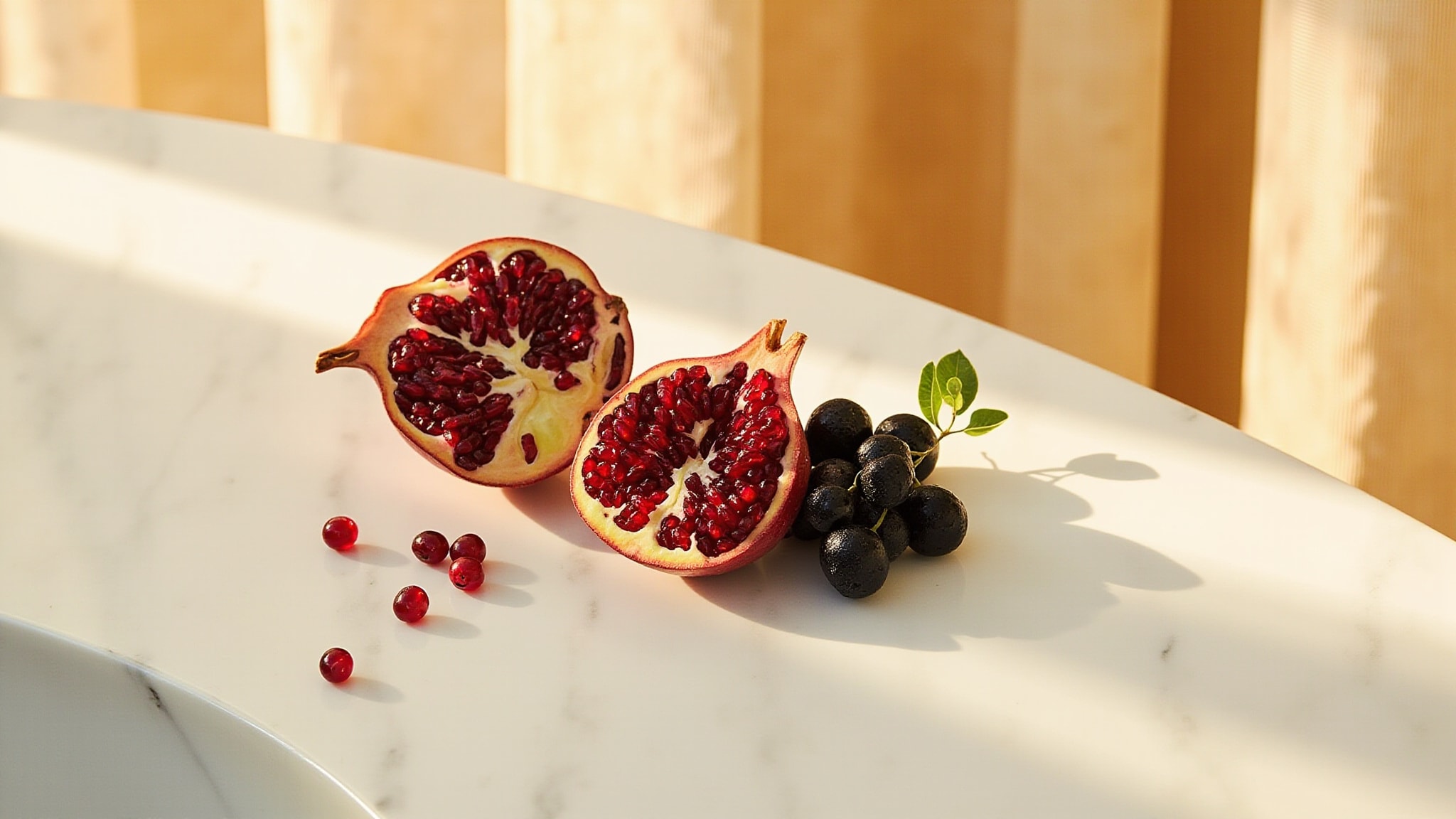
What makes the pyramid interesting is the hand-off between phases. The berry notes do their job in the first twenty minutes, they announce, they attract, then step aside without a fight. The jasmine sambac doesn't try to overpower the blackcurrant. It works alongside the pomegranate and red currant to build something softer, more textured. The base is where restraint pays off. Cedar and vetiver are not loud materials by nature, but white musk extends them, keeps them present without overwhelming. Pink pepper adds the smallest kick at the close, just enough to remind you this isn't purely decorative.
The evolution
The first five minutes are all about blackcurrant and raspberry, tart and bright. Kumquat leaf lingers in the background, adding a green nuance that keeps the fruit from feeling like candy. Around the twenty-minute mark, jasmine sambac begins to rise. The pomegranate and red currant support it, creating a heart that is floral but not powdery. The transition is smooth, no cliff, no gap. By hour two, the base has settled. Cedar and vetiver become more apparent, warming against the skin. White musk extends everything, keeping the drydown intimate rather than projecting. Four to six hours in, what remains is a quiet woody-floral impression. Close enough to notice if someone leans in. Gone before it becomes a burden.
Cultural impact
The 2012 launch positioned Mon Amour within the early indie fragrance movement, when smaller French collectives began challenging the dominance of established luxury houses. Its floral-fruity template and accessible price point offered a gateway for independent perfumery enthusiasts. The composition's restraint in the drydown, favoring cedar and vetiver over heavy sillage, marked a shift toward subtlety in niche design. This approach influenced subsequent releases from the collective and set a template for indie houses seeking to balance artistic intent with wearability.