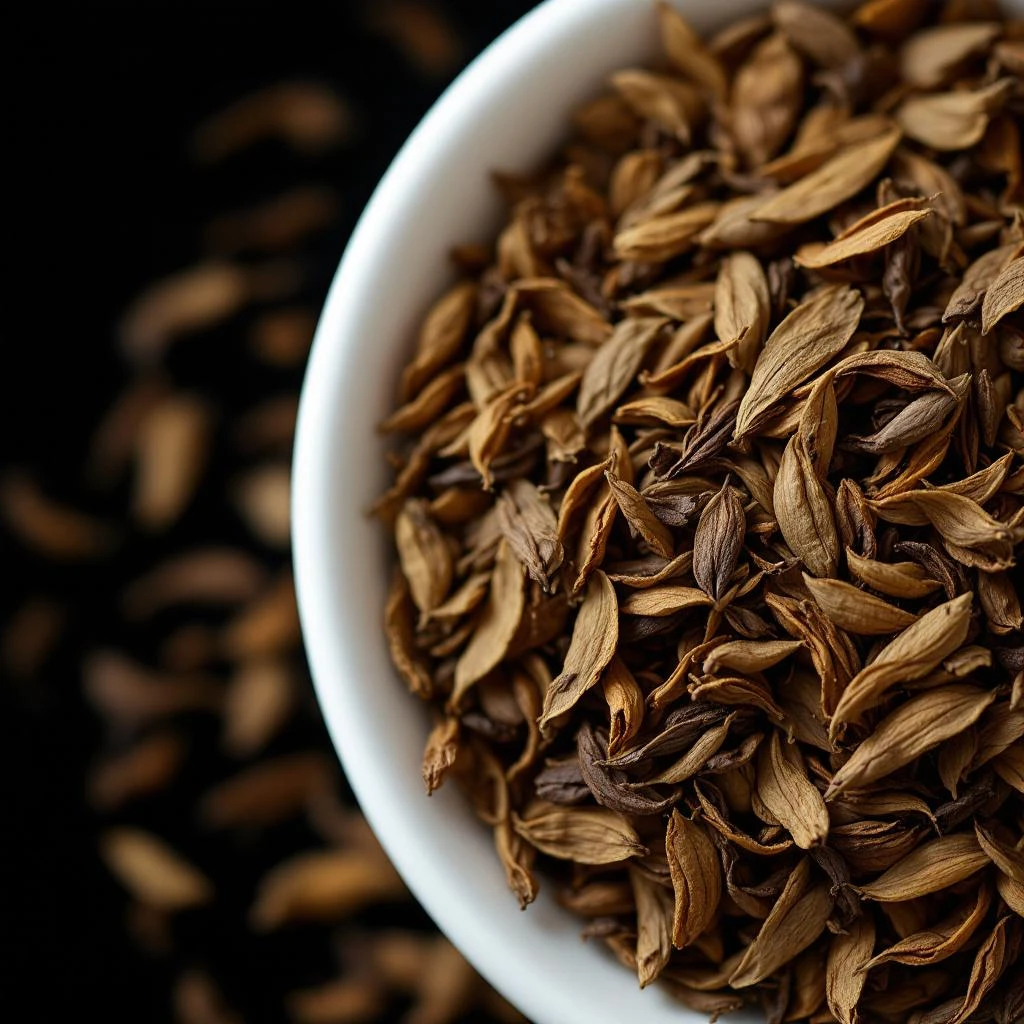
Kumquat Leaf
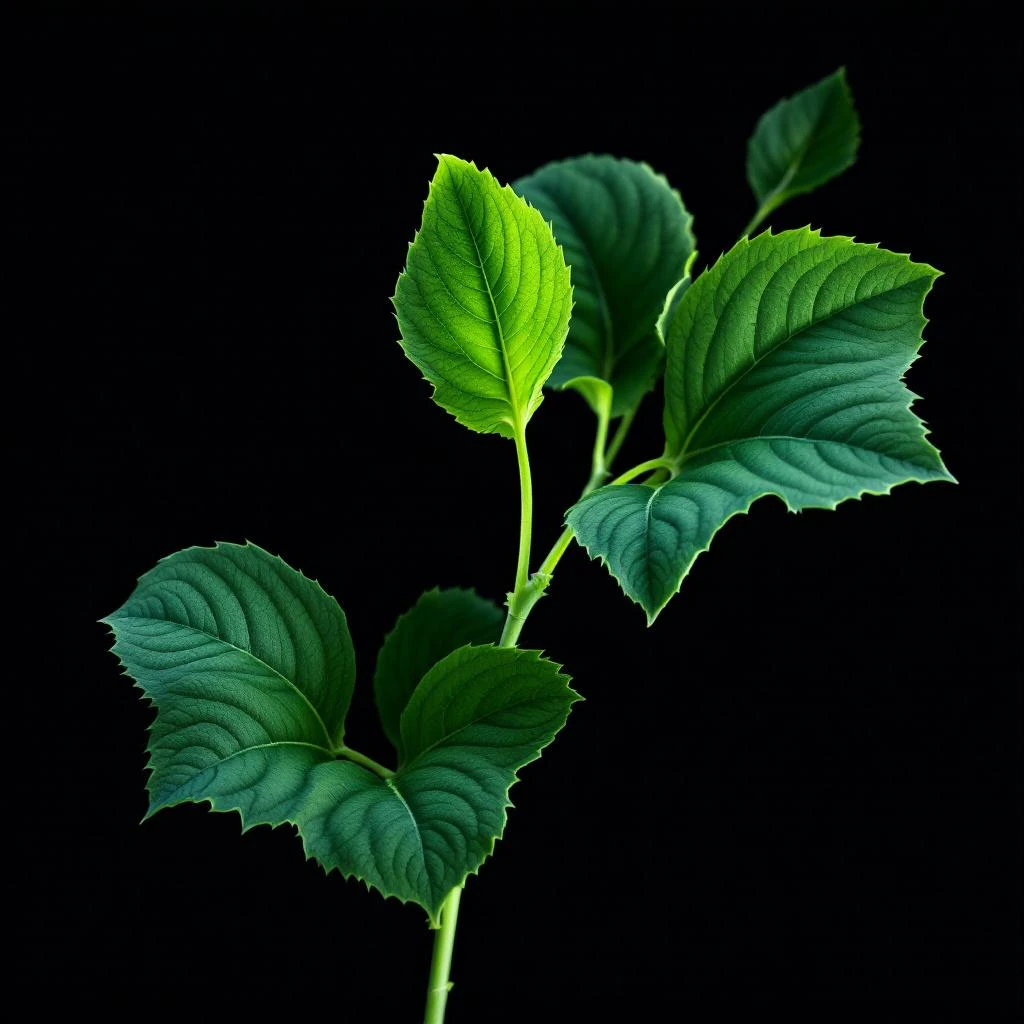
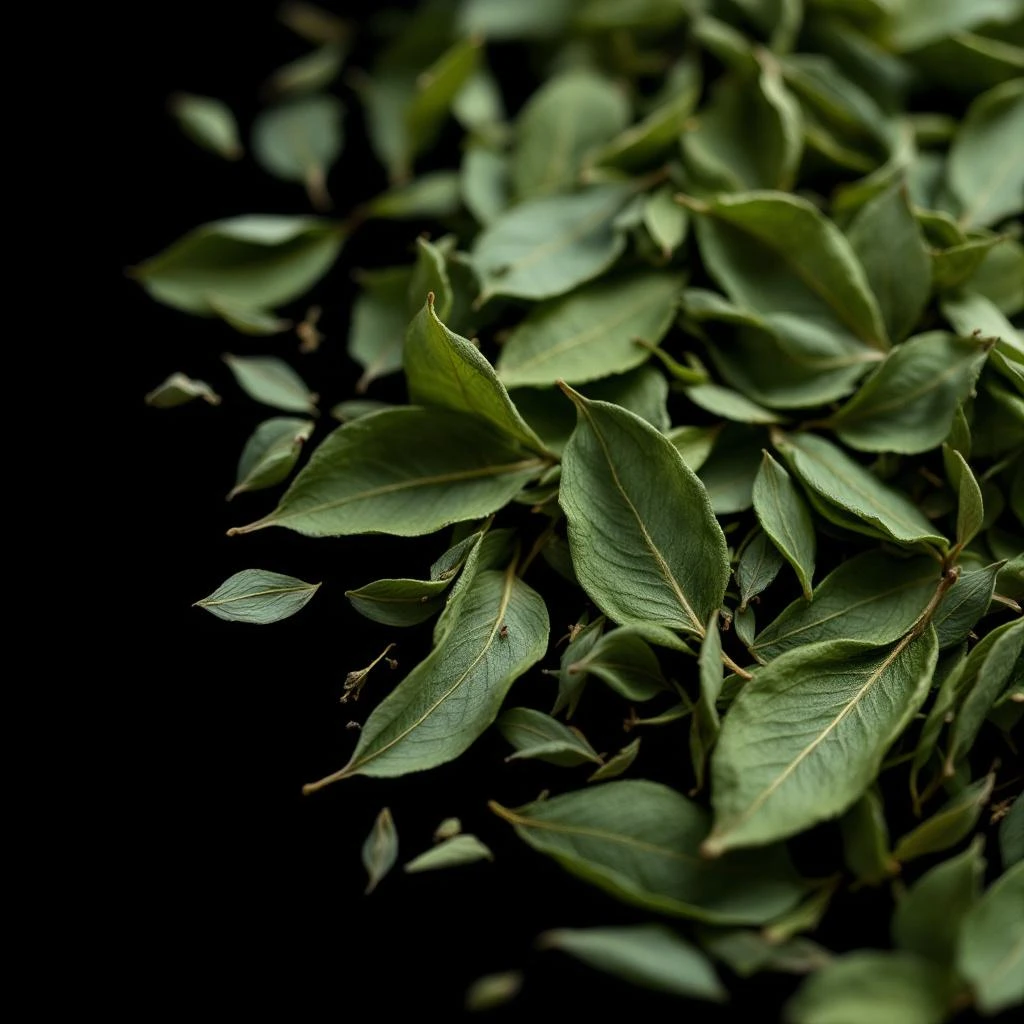
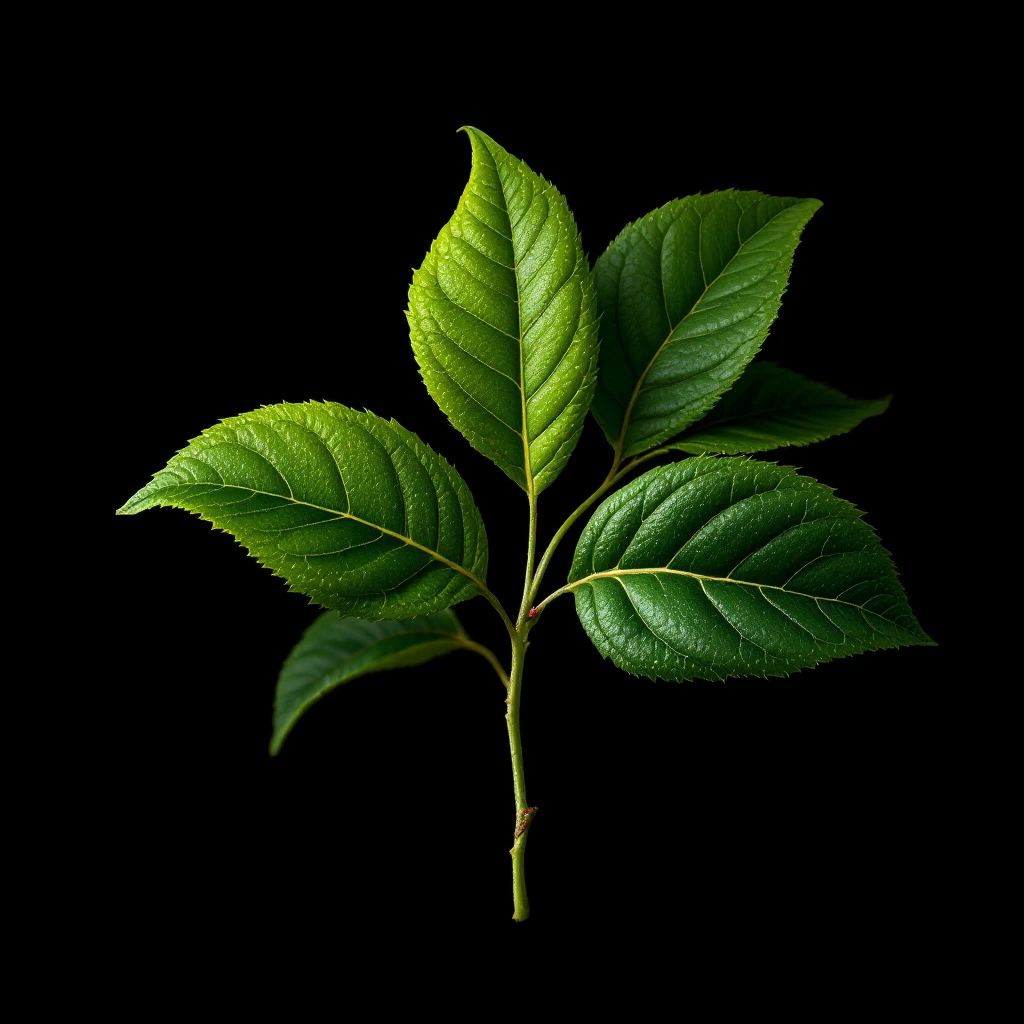
Kumquat leaf delivers a vivid green-citrus character to fragrance, capturing the fresh, slightly bitter essence of living citrus foliage. This note bridges sharp fruit and verdant stem, adding depth that bright citrus top notes alone cannot achieve.
Character
How it smells
The green pulse beneath citrus fruit
Unlike the fruit, kumquat leaf oil was never a culinary tradition—it exists purely in perfumery, discovered as a distillation byproduct with surprising aromatic depth.




Origin
Japan
Kumquat belongs to the Rutaceae family, originating in the subtropical regions of south Asia where it has grown for centuries across China, Japan, Taiwan, and the Philippines. While the diminutive fruit earned culinary recognition in these cultures, the aromatic potential of the leaves remained largely unexplored by traditional perfumery for generations. Only in the twentieth century did fragrance chemists systematically examine leaf distillation, finding that citrus foliage across the family often carried aromatic compounds absent or muted in the fruit itself.
The geographic concentration of cultivation across East Asia and the Philippines created natural conditions for discovery, as growers pruned trees regularly, generating abundant leaf material. Contemporary perfumers increasingly seek kumquat leaf for its ability to add citrus brightness without the fleeting volatility of fruit notes, extending heart-stage freshness in ways traditional petitgrain cannot replicate.
Wears it best
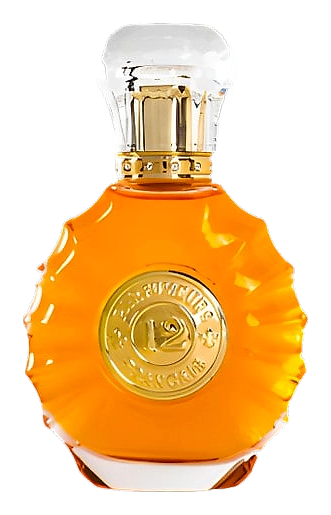
Fragrances featuring Kumquat Leaf
Brands
Brands known for Kumquat Leaf
Good to know
Questions, answered
The essentials on Kumquat Leaf in perfumery: how it smells, where it comes from, and how it behaves on skin.
What does kumquat leaf smell like?
Kumquat leaf delivers a green-citrus aroma combining bitter herbaceousness with fresh citrus brightness. The scent is less sweet than fruit peel, more aligned with petitgrain or crushed citrus stems. It reads as a living plant rather than the edible fruit.
Is kumquat leaf a natural or synthetic ingredient?
Kumquat leaf exists as a natural material, obtained through steam distillation of fresh foliage from Kumquat trees (Citrus japonica). The ingredient is not widely synthesized, though related aromatic compounds appear in other citrus leaf absolutes.
What fragrance families use kumquat leaf?
Kumquat leaf appears primarily in citrus, green, and floral compositions. Perfumers use it to reinforce freshness without relying solely on volatile fruit top notes. It performs particularly well in spring and summer fragrances where green accords dominate.
Does kumquat leaf last long on skin?
As a top-to-heart bridging note, kumquat leaf typically projects strongly for the first hour, then recedes into the heart as florals or woods emerge. Its volatility makes it more of an opening accent than a foundation material.
What compounds define kumquat leaf oil?
Kumquat leaf oil contains limonene as its primary component, typically 40-60% of the material. Secondary constituents include linalool, geraniol, and various sesquiterpenes that contribute the characteristic bitter-green undertone.
Which fragrances feature kumquat leaf?
Kenzo Flower contains detectable kumquat leaf, where it supports the peony heart with green citrus brightness. Several niche houses in France and Japan have adopted the material for its distinctive profile, though it remains uncommon in mass-market products.
Can kumquat leaf cause skin reactions?
As with most citrus-derived materials, kumquat leaf oil contains furanocoumarins that may cause photosensitivity. The material appears in fragrances at low concentrations (typically under 2%) for this reason, minimizing dermal risk when properly formulated.
Where is kumquat leaf oil produced?
Primary production occurs in Japan and Taiwan, where kumquat cultivation is commercially established and distillation facilities exist. Small-batch production also occurs in southern China and the Philippines, though these origins rarely appear on ingredient labels.