
The Story
Why it exists.
The beginning
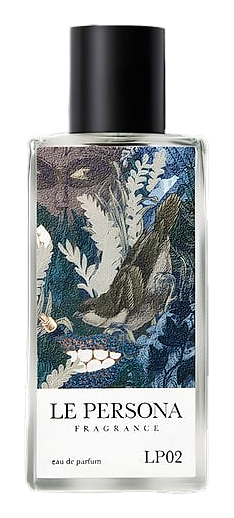
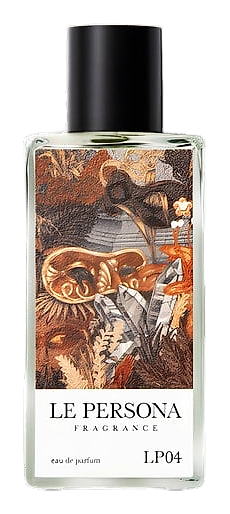
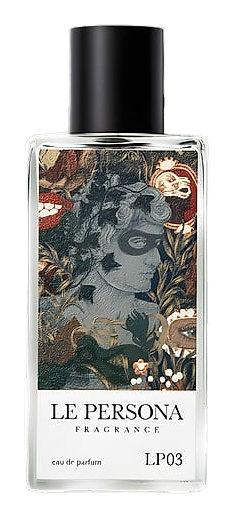
The name arrived before the formula. Wooden Face, a mask worn in ancient theatre, yes, but also the thing you put on when you're not sure who you're supposed to be. Le Persona built its entire philosophy around that ambiguity: identity as costume, scent as character. This fragrance was designed to be the third act. The one where the protagonist stops performing and simply exists. The perfumers, Frank Voelkl, Emilie Bevierre-Coppermann, Alain Allione, worked with that tension directly: what does it smell like to finally stop trying?
The choice of green tea as a top note isn't accidental. It's the most honest green note in perfumery, slightly bitter, slightly vegetal, nothing like the synthetic 'fresh' accords that fill department store fragrances. Cardamom adds warmth without sweetness, and orange brings the kind of brightness that doesn't apologize for itself. Together, they create an opening that feels considered rather than calculated, like someone who dressed carefully but didn't overthink it. The heart notes (pear, fig, jasmine) introduce softness without surrendering the structure. This isn't a fragrance that melts; it unfolds.
The evolution
The first fifteen minutes belong to green tea and cardamom. Bright, almost medicinal in the best way, the kind of opening that makes you smell your wrist twice. Then the orange fades, and the pear-fig combination takes over, bringing a translucent sweetness that feels more like memory than fruit. Jasmine arrives quietly, adding a floral lift that prevents the composition from becoming too grounded. By the third hour, sandalwood and cashmere wood have claimed the base. The musk stays close, intimate, skin-hugging, the kind of presence that someone next to you might notice before you do. On dry skin, this fragrance moves faster. On humid skin, it lingers and deepens, becoming something you wear rather than something you sprayed.
Cultural impact
Le Persona arrived in a moment when Korean fragrance culture was finding its voice internationally. The house occupies an interesting position: neither trying to replicate Western niche traditions nor performing 'Korean' identity through orientalism. Wooden Face fits into this quietly, a fragrance that could have come from anywhere and everywhere, which is perhaps the point. The persona is universal.