The Story
Why it exists.
The beginning
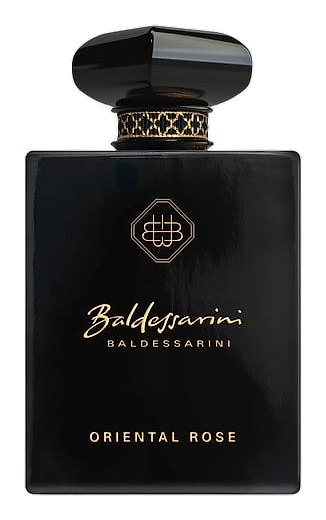
Oriental Rose enters the Baldessarini Collection in 2026, a line shaped by designer Werner Baldessarini's impressions of the Middle East, its souks, its market air. Perfumer Gabriela Chelariu built the composition around that encounter, treating rose not as a delicate soliflore but as the anchor of a richer architecture. The red fruits open bright, the spices walk you through a passage, and the amberwood base settles in like furniture that belongs. There's an intent here to make rose feel less like a gesture and more like a room you can actually live in.
What's interesting here is the restraint with the rose itself. The bloom sits at the center without overwhelming, and Chelariu balances it with clove at the heart, letting the warmth thread through without tipping into anything heavy. Caramel and vetiver ground the sweetness, giving it weight and keeping the whole thing honest. The amberwood and Ambroxan lend a dry, radiant warmth that keeps the composition breathing rather than collapsing into syrup. It's rose with structure, rose with a frame around it.
The evolution
The opening moments feel almost aggressive, two peppers snapping against red fruit, sharp enough to make you check your wrist. Then the clove arrives and the temperature drops slightly, warm instead of hot, and the rose unfolds in that space, not so much a petal as a whole garden at dusk. There's a sweetness here that comes from somewhere unexpected, the caramel note threading through without ever feeling like dessert. As the hours pass, the spices settle into memory, and the base takes over: amberwood dry, Ambroxan clean, vetiver adding a faint earthiness that keeps the caramel honest. On skin, the longevity reads as above average, enough for a full evening and then some. What's left at the end is a close, warm, slightly woody sweetness, the rose long gone but the architecture still standing.
Cultural impact
Early wearers describe Oriental Rose as reading differently from most spicy roses on the shelf. It sits comfortably in intentional territory, a composition that feels considered rather than accidental. The wear data skews toward cooler weather, with fall leading the way and winter close behind, which tracks with the weight of the spices and the density of the base. It's the kind of scent that earns its space in a colder wardrobe rotation.
The House
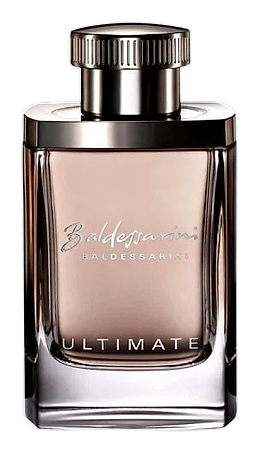
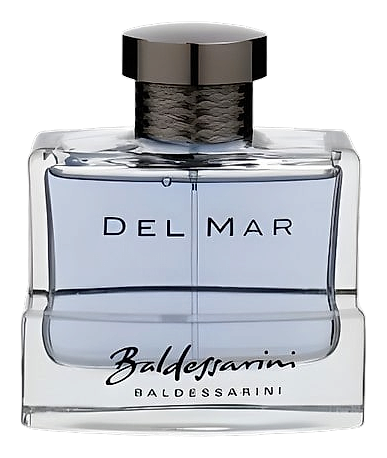
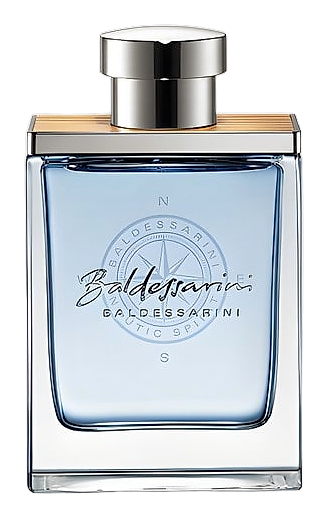
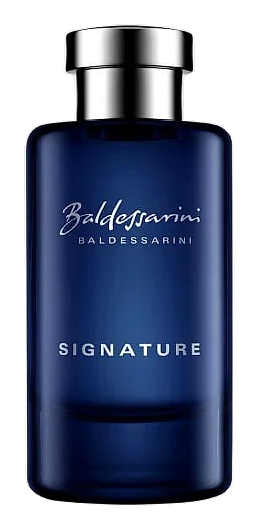
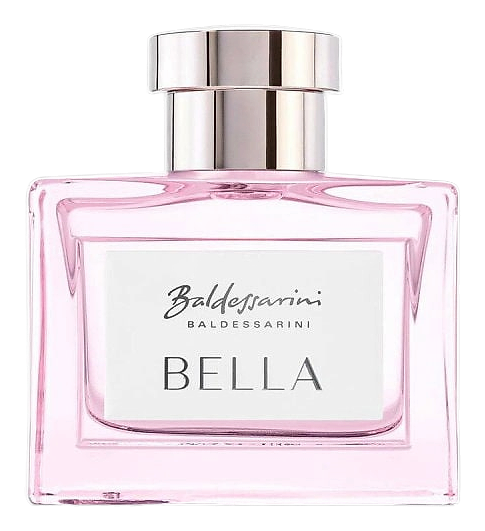
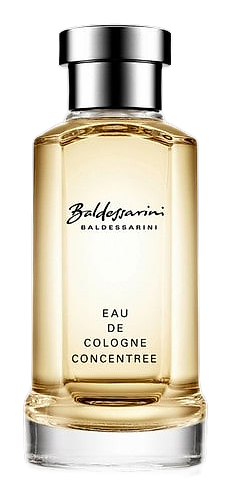
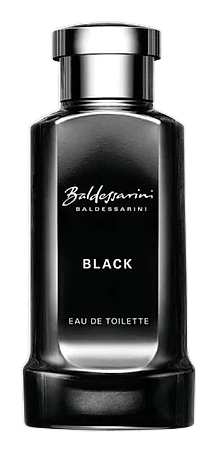
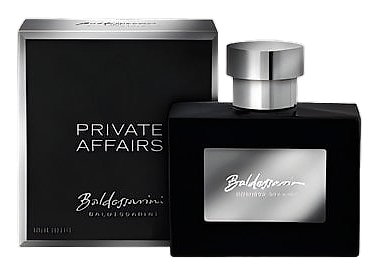
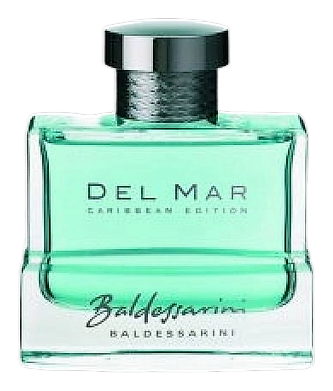
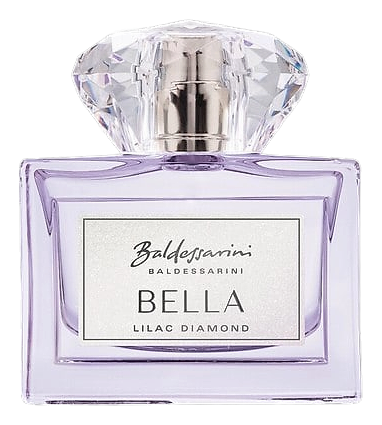
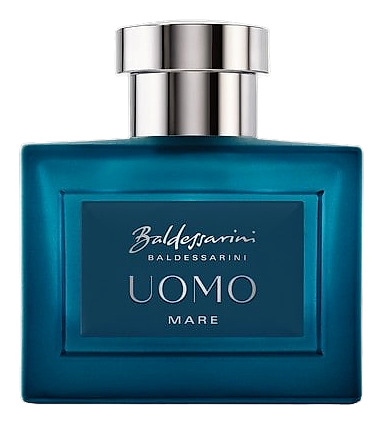
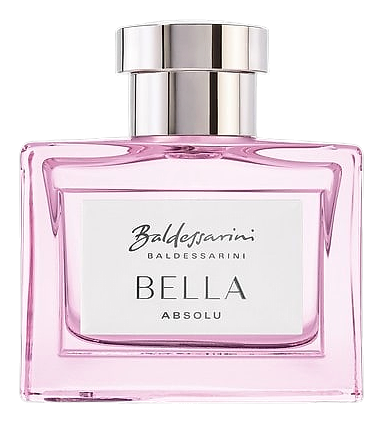
BaldessariniBaldessarini is a German luxury menswear and fragrance house founded in 1993, originally conceived as the premium line of Hugo Boss before becoming an independent entity. Named after Werner Baldessarini, the Austrian fashion designer who served as chief designer and later CEO of Hugo Boss, the brand embodies refined masculinity with its iconic slogan "Separates the men from the boys." The fragrance division launched in 2002 with the debut Baldessarini Eau de Cologne, a sophisticated citrus-tobacco composition that set the tone for the house's olfactory identity. Now owned by Mäurer & Wirtz, Baldessarini continues to craft accessible luxury fragrances for the discerning gentleman who values timeless elegance over fleeting trends.
The Creator
Gabriela ChelariuBased on her work with Kayali, Gabriela's style appears to lean toward gourmand and sweet notes, with a particular emphasis on vanilla. She demonstrates a knack for creating rich, layered fragrances that are both comforting and alluring.