The Story
Why it exists.
The beginning
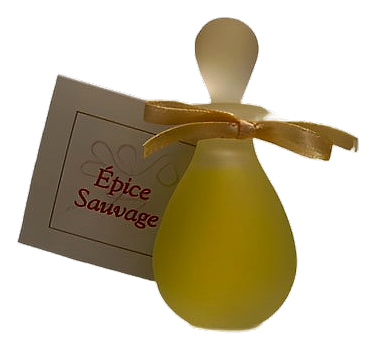
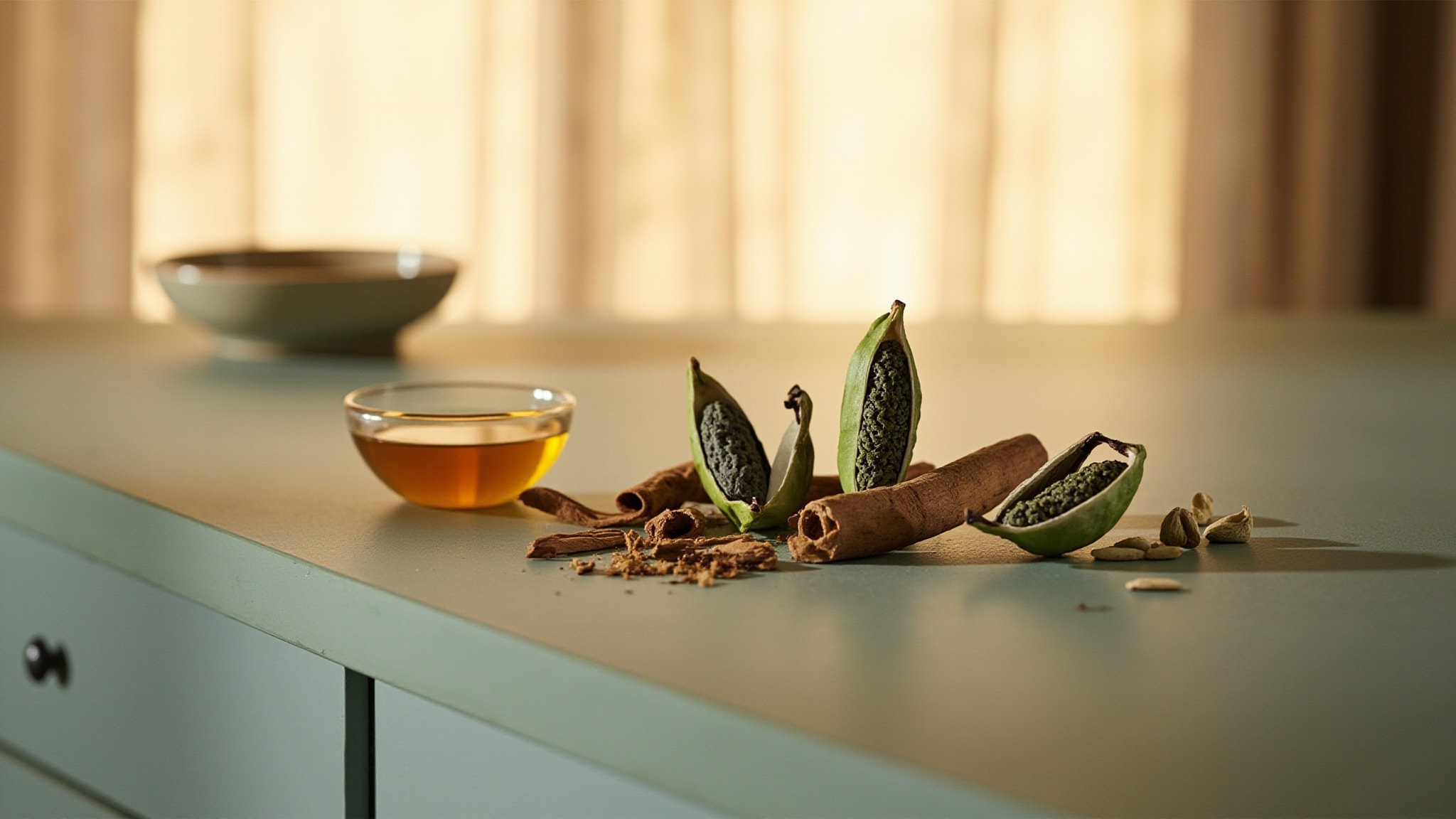
Épice Sauvage launched in 2003 from the studio of Ayala Sender, known professionally as Ayala Moriel. The name translates to Wild Spice, and the composition draws its palette from the North African spice markets, where cardamom and cinnamon arrive by the sackful. The composition opens with that bright, almost mentholated lift of green cardamom pods split fresh, releasing their camphor-tinged coolness against the warmer cinnamon running beneath. As the first minutes pass, the spices settle into each other, the cinnamon softening from its initial bark-like dryness into something rounder, almost honeyed, while the cardamom keeps its clarity like a high thread woven through the whole.
Most spicy fragrances of this register lean on a single note to carry the weight, usually cardamom or cinnamon. Épice Sauvage stacks them, then layers clove and honey absolute underneath. The honey absolute is what separates this from a kitchen-shelf composition; it adds a faintly animalic sweetness that turns the spice from food into something worn on skin. Moroccan rose and jasmine grandiflorum arrive at the heart to keep the warmth from tipping into austerity, while the coriander in the opening adds a green, almost herbal edge that prevents the cardamom from reading as dessert. The base holds opoponax, a resin that smells of warm leather and incense, grounding everything in a slightly smoky, balsamic finish.
The evolution
The first twenty minutes belong to coriander and cardamom. Bright, almost sharp, with a green herbal lift that cuts through any sweetness from later phases. The coriander fades quietly, and by the one-hour mark the cinnamon and clove have taken over, warmed by honey absolute into something that reads like spiced bread cooling on a counter. Jasmine and Moroccan rose surface around ninety minutes, lending a soft, slightly waxy floral cushion that keeps the spice from drying out. By three hours in, the florals have largely receded and cedarwood emerges, dry and pencil-shaving clean, but pulled toward warmth by the opoponax resin underneath. The drydown from hour four onward is mostly opoponax and residual honey, a low amber hum with a faint smokiness that clings close to skin. The next morning, what remains is a quiet balsamic warmth, the kind that makes you check your wrist and wonder if you're imagining it.
Cultural impact
Épice Sauvage arrived in 2003, a period when independent and natural-leaning perfumery was finding its footing and small studios were beginning to reach wider audiences through specialty retail and online channels. The composition's cardamom-led spice structure, with cinnamon running alongside, placed it within a wider conversation among artisan perfumers who were returning to apothecary-style scent language, favoring raw, recognizable materials over heavily reconstructed accords.