
The Story
Why it exists.
The beginning
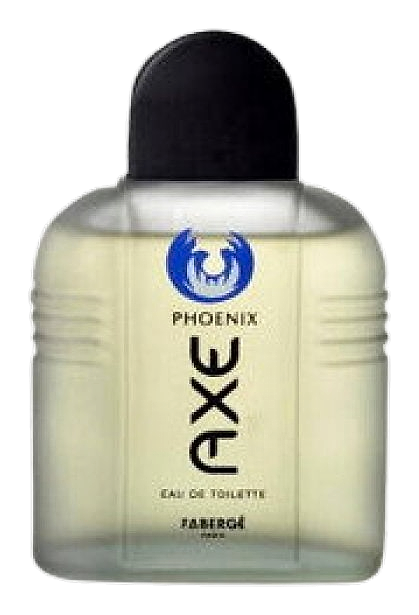
Phoenix arrived in 2000 with a clear nose behind it: Ann Gottlieb, a perfumer whose work has shown up on shelves across categories and price points. Gottlieb is the listed creator of the composition, and her approach here is visible in the structure. The brief, as executed through the accord profile, came out fresh, green, and clean, with enough body underneath to keep the fragrance from dissolving into something generic. She pulled it off by layering cooling lavender and sharp citrus over a violet and earthy middle, then grounding everything in a quiet leather-musk base. The lavender does the heavy lifting in the top, giving the scent its immediate coolness, while the geranum adds a green-soap quality without crossing into bathroom-product territory.
What makes Phoenix structurally interesting is how little it tries to do. The top is a tight triangle of citrus, geranium, and lavender, three notes that share enough DNA to read as a single gesture rather than a list. The heart pares things down further to just two notes: violet and an earthy element that grounds the composition. The base is leather and musk, nothing else. That economy is what gives the fragrance its crispness. There's nowhere for any single element to hide, and the accord list confirms the intention: fresh, woody, green. Three words, no ambiguity.
The evolution
On skin, Phoenix opens with a sharp wash of citrus and lavender, an immediate cooling sensation before you've fully registered the scent itself. That opening is brief. The lavender pulls back as the geranium pushes forward, bringing a green-soapy edge that's clean without being clinical, and the whole top reads as crisp and uncomplicated for its first stretch. The transition into the heart is quick. Violet shows up alongside an earthy note that grounds the composition, and it's the moment the scent stops smelling like a shower gel and starts smelling like a deliberate choice. The base arrives within the hour, leather and musk settling in close. The drydown isn't dramatic. There's no late-arriving surprise, no sudden shift into something unexpected.
Cultural impact
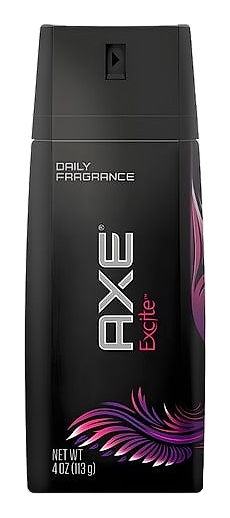
Phoenix sits comfortably within the catalog of early-2000s Axe releases, a body-spray era fragrance that delivered a clean, confident impression without much fuss. Its appeal was never about subtlety. The scent was designed to land quickly and get out of the way, a direct hit of citrus, lavender, green, and a soft leather-musk base that doesn't linger longer than it should on skin. That directness is exactly why it found an audience. Wearers looking for a no-fuss everyday scent, something lighter than a proper cologne but more structured than a single-note body spray, landed on Phoenix and stayed with it.
The House
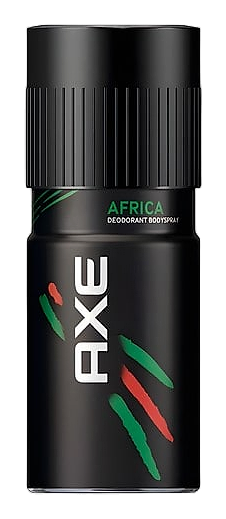
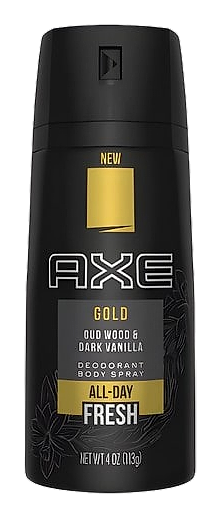
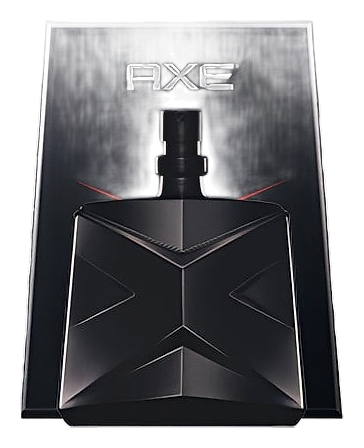
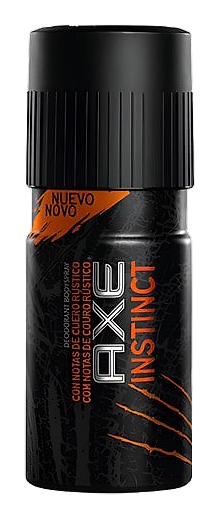
AXEAxe is a male grooming brand owned by London-based Unilever, founded in France on June 6, 1983, with three original body spray variants: Musk, Amber, and Spice. The brand targets younger men and has built a reputation for assertive, often provocative marketing campaigns that became a defining feature of its identity. Over four decades, Axe expanded from body sprays and deodorants into a broader fragrance portfolio, including a Fine Fragrance collection developed in collaboration with established perfume houses. The brand operates alongside its sister product line Lynx in some international markets, offering a range of grooming products beyond scent.
The Creator
Ann GottliebGottlieb's range is her signature. She has an uncanny ability to identify which note combinations will land as culturally significant versus merely interesting.