The Story
Why it exists.
The beginning
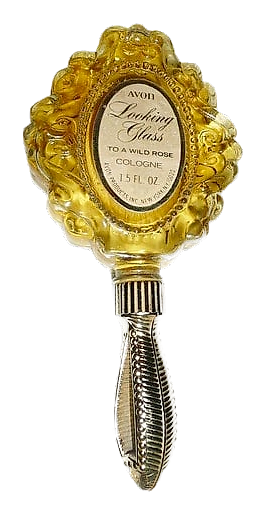
Named for the untamed flower rather than the cultivated bloom, To a Wild Rose arrived in 1950 as a quiet declaration. The inspiration was clear: a rose that grew on its own terms, supported by moss and green things, sweetness earned rather than gifted. Avon positioned this as the scent for women who had opinions and wore them openly, not performative femininity but something with actual character. It was a cologne, which meant lightness, but the structure suggested otherwise.
The moss-rose-green combination is essentially a chypre architecture, the kind of fragrance that doesn't announce itself but instead settles into a room and stays. The rose doesn't float above the composition; it's woven through, sharing space with something earthier that prevents the sweetness from becoming decorative. Sugar amplifies without overpowering. This is a rose designed to be lived in, not admired from a distance.
The evolution
Opens green and immediate, the kind of freshness that feels like morning damp on grass. Within minutes, the rose arrives, not alone but accompanied by something earthier underneath. The moss asserts itself as the top notes settle, creating a heart that's both floral and grounded. By the third hour, the sweetness has softened into something powdery and warm, the green notes faded but the moss still present, lending an almost woody quality to the base. The drydown is where this fragrance earns its reputation, it doesn't simply disappear but leaves behind a quiet, persistent presence that clings to fabric long after the wearer has moved on.
Cultural impact
One reviewer called it 'dirty-sexy' in the same breath as Rochas Femme, high praise from someone who knows vintage chypres. That comparison speaks to something real: beneath its friendly Avon branding, To a Wild Rose has genuine complexity and a confident, unpolished femininity that still reads as bold today.