
The Story
Why it exists.
The beginning
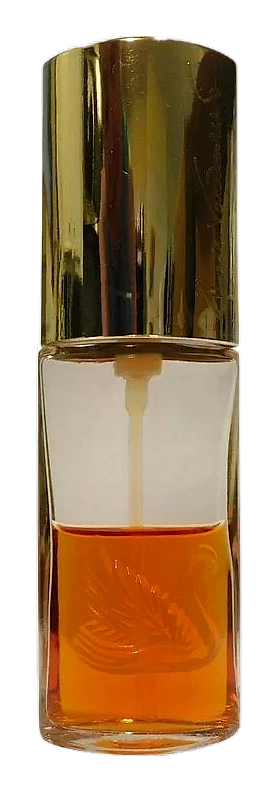
Odyssey arrived in 1981, released by Avon as part of their fragrance catalog. The composition leaned into white florals, with tuberose taking the lead position in a way that felt confident and direct, the kind of flower that holds court in a vase for a week and never apologizes for taking up space. The name suggested adventure, but the juice was more personal than epic. No mythology, no grand narrative. Just a floral built around a single dominant bloom supported by its closest allies. Tuberose carries the weight here, and it's not shy about doing so. There's a creamy density to the opening, a waxy, almost hypnotic quality that feels less like a fleeting top note and more like the first sentence of a longer story. What's notable is how the fragrance refuses to dilute itself.
What makes Odyssey interesting is the restraint in its pyramid. Tuberose and jasmine open with full white-floral presence, but ylang-ylang takes the heart position alone, and the base narrows to sandalwood and vetiver. No heavy musks competing for attention, no gourmand sweetness. The composition trusts its materials to carry the weight. The interplay between these notes creates a specific kind of tension. Tuberose brings that creamy, almost carnal sweetness, while jasmine adds a greener, more indolic edge.
The evolution
The first 30 minutes are all tuberose, assertive and almost dewy, with jasmine threading through like a second voice that doesn't echo. Ylang-ylang arrives around the 45-minute mark, softening the edges without dimming the brightness, adding a creamy warmth that feels less like a note change and more like sunlight shifting. By hour two, the sandalwood starts grounding everything, pulling the white florals down from their initial altitude. Vetiver comes in underneath, adding a subtle earthiness that prevents the drydown from going too sweet or too powdery. The fragrance settles into a skin-close warmth that lasts through the rest of the day. Four to six hours is the realistic arc. It doesn't vanish early, but it doesn't overstay either. What remains by the end is a soft, woody-floral trace that reads more intimate than the opening suggested, like the difference between someone's entrance and their conversation.
Cultural impact
Odyssey sits in the category of fragrances that defined a specific moment in accessible women's perfumery. The tuberose-forward approach gave it a confident, unapologetic character that wearers recognized and gravitated toward. There's an old-school structure to the composition, a classical pyramid that doesn't apologize for its era, yet the juice doesn't feel trapped in the past. It wears with a modernity that keeps it relevant. What draws people to Odyssey is its directness. This is a fragrance that leads with tuberose and never pretends otherwise.