The Story
Why it exists.
The beginning
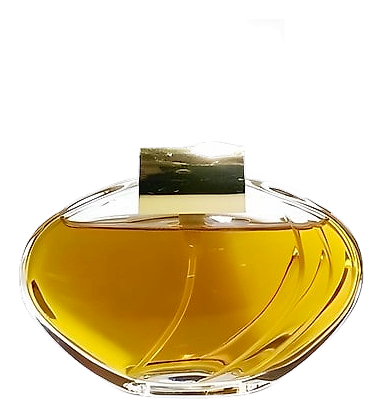
Beguiling arrived in 1987, a moment when oriental fragrances had grown bold and unapologetic. Avon built its identity on accessibility, fragrance as a shared ritual, passed hand to hand through a network of neighbors and friends. Beguiling carried that same spirit but with unexpected ambition: a full oriental pyramid built on aldehydic brightness, yellow floral warmth, and a smoky, resinous base that lingered long after the first hour. The name said it all. This was the fragrance designed to captivate, to hold someone's attention across a room, then reward them when they came closer.
What makes Beguiling's structure interesting is the aldehydes. They don't just open the fragrance, they return, threading through the drydown alongside the incense. This creates a continuous dialogue between bright-waxy and smoky-shadow, synthetic and natural. The ylang-ylang in the heart has a tropical, custard-like richness amplified by aldehydic sparkle, making it feel more textured than a standard floral heart. The oakmoss in the base is the quiet structural hero, it keeps the incense and myrrh from tipping into sweetness, adding a mossy, green undertone that grounds everything.
The evolution
The opening is aldehydes and bergamot, bright, sparkling, almost metallic. Within minutes the ylang-ylang swells, cushioned and creamy, as basil and coriander add an herbal counterpoint that keeps it from going too soft. The heart lasts a solid two hours, warm and slightly savory. Then the drydown arrives: incense smoke curling around myrrh's balsamic sweetness, oakmoss pulling it all down to skin level. The aldehydes resurface here, a second appearance that gives the base an unusual waxy shimmer over the smoke. It stays close, intimate, warm, present, for hours. On fabric, it ghosts quietly for most of a day.
Cultural impact
Aldehydic orientals were a defining style of the 1980s, bold, warm, confident. Beguiling arrived in 1987 as part of Avon's accessible take on that tradition, translating a category often associated with luxury department stores into something your neighbor could recommend over the fence. The aldehydic-ylang-incense combination has a dedicated following among those who remember it, and among newcomers who discover it secondhand. It occupies a specific nostalgic register: not retro in a kitschy way, but warm and specific, the smell of someone who had something figured out.