The Story
Why it exists.
The beginning
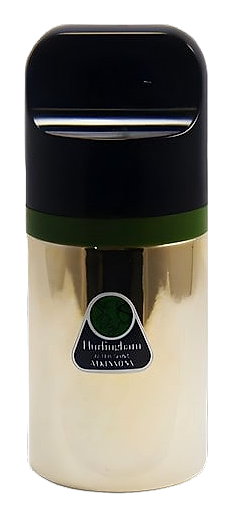
Hurlingham arrived in 1974 from the house of Atkinsons. The composition emerged during a period when the brand was already established as a distinctive presence in British perfumery, carrying a reputation for refinement with an eccentric streak running just beneath the surface. Atkinsons had built its identity over decades of dressing London's discerning clientele, becoming known for colognes that balanced polish with personality. This particular composition responded to a shifting taste in masculine fragrance at the time, when aromatic and green profiles were finding favor among those seeking something crisper than the heavier masculine staples. The name borrows from Hurlingham, a London district associated with sporting tradition and an unspoken code of English leisure.
What makes Hurlingham worth seeking out is its refusal to behave like a typical masculine cologne of its period. It leads with lime and lemon verbena, then grounds the whole thing in a green herbal heart of tarragon, sage, patchouli, and vetiver. The result feels closer to a sun-warmed herb garden than a club terrace, with the citrus top notes sparkling briefly before yielding entirely to the herbal center. That tarragon note carries the composition's most memorable signature, giving the whole blend a distinctive warmth that sets it apart from its contemporaries.
The evolution
The first ten minutes belong entirely to the lime and verbena. Bright, almost sharp enough to taste, with a green bitterness underneath that signals the herbal complexity waiting behind it. The verbena softens quickly, leaving the lime to sparkle a little longer before the tarragon arrives. Once the heart settles, the composition shifts into genuinely green territory. Tarragon leads with an anise-and-pepper character, sage adds a dry, camphoraceous weight, and the vetiver grounds everything in that warm-earth, root-vegetable depth. The patchouli here reads as a soft, dusty element rather than anything heavy or incense-like, sitting well beneath the herbal layer. This phase is where Hurlingham lives for most of its life: aromatic, green, and composed, with the sage and tarragon creating a kind of culinary warmth that keeps pulling the wearer back for another sniff.
Cultural impact
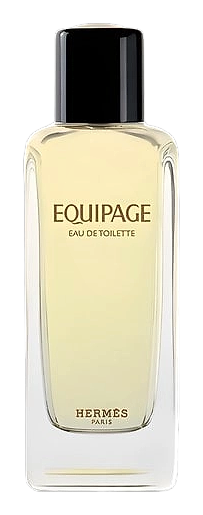
Hurlingham sits among a small group of discontinued vintage Atkinsons that collectors actively seek out. Wearers tend to describe it in terms of places rather than notes: a club lawn, a country garden, the sort of English afternoon where the dress code is unspoken but absolute. Its character draws comparisons to other green-aromatic compositions, including Equipage, with which it shares a certain herbal clarity and a structural reliance on aromatic rather than sweet elements. The fragrance's discontinued status has lent it a certain cachet among enthusiasts who appreciate its particular take on the green-aromatic category.