The Story
Why it exists.
The beginning
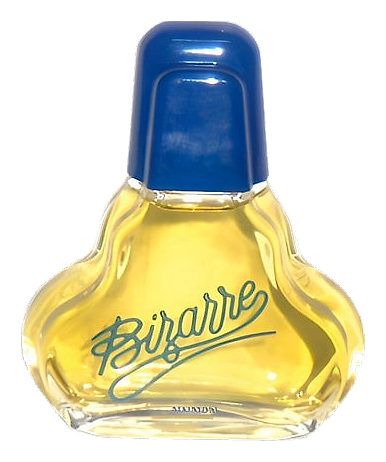
The name says everything. Bizarre arrived in 1979, a moment when perfumery was caught between the grand formality of the past and the restless experimentation of what came next. Atkinsons, the legendary British house with its bear-in-tow origin story and royal appointments stretching back to 1832, had been crafting fearless fragrance for nearly two centuries by then. Bizarre was their answer to the question every heritage house faces: how do you honor tradition without becoming a museum piece? The answer was structure. An aldehydic opening borrowed from the great florals of the early 20th century, yes, but pushed slightly off-center with green spices and Amalfi lemon. A heart that chose lily of the valley over the expected jasmine. A base that included civet, that deliberately challenging material that modern perfumery tends to bury under musks and woods. Bizarre was built to be noticed. Not loud, not aggressive, just impossible to ignore.
What makes Bizarre unusual within its aldehydic chypre category is the tension between its soapy clarity and its animalic depth. Aldehydes, those waxy Champagne-bubble molecules that gave Chanel No. 5 its shimmer, typically create a sense of polished remove. Here, they're paired with civet, the musky, slightly feral material derived from the African palm civet, in quantities that give the base a real pulse. Lily of the valley is the unsung hero. Often relegated to supporting roles in fragrance, it takes center stage in the heart of Bizarre alongside rose, providing a green-floral lift that prevents the composition from becoming merely retro.
The evolution
The opening is immediate: aldehydes rising like effervescence, bright and slightly waxy, with bergamot and Amalfi lemon providing sharp citrus punctuation. The spice in the top notes registers as green rather than warm, cardamom or pink pepper, something that tingles rather than burns. This phase lasts perhaps 20 minutes before the florals begin to assert themselves. The heart softens the composition into something almost soapy. Rose and lily of the valley arrive together, not as a bouquet but as an atmosphere, the scent of someone who has just bathed and dressed with intention. There's a powdery quality here that might remind wearers of classic fragrances from the mid-century, but the green notes keep it from feeling nostalgic. The handoff to the base is gradual, a slow fade rather than a dramatic shift. The drydown is where Bizarre earns its keep. Civet emerges as the dominant player, adding an animalic warmth that elevates the composition from pleasant to interesting.
Cultural impact
Bizarre exists in a specific moment of perfumery history, 1979, when the grand aldehydic florals of the mid-century were being reexamined by a generation less interested in polish than in personality. It's been compared to Arpège, Dior Dune, and other aldehydic chypres, but it occupies its own territory: less abstract than Chanel No. 5, more challenging than most florals of its era. The inclusion of civet, a material many houses had quietly phased out by the late 1970s, positioned Bizarre as something for those who wanted fragrance to mean something beyond pleasant. It's a collector's piece and a daily wearer's fragrance simultaneously, depending on who reaches for it.