The Story
Why it exists.
The beginning
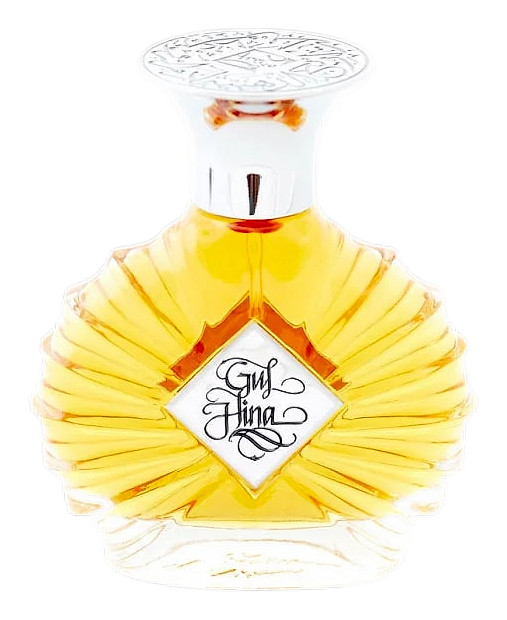
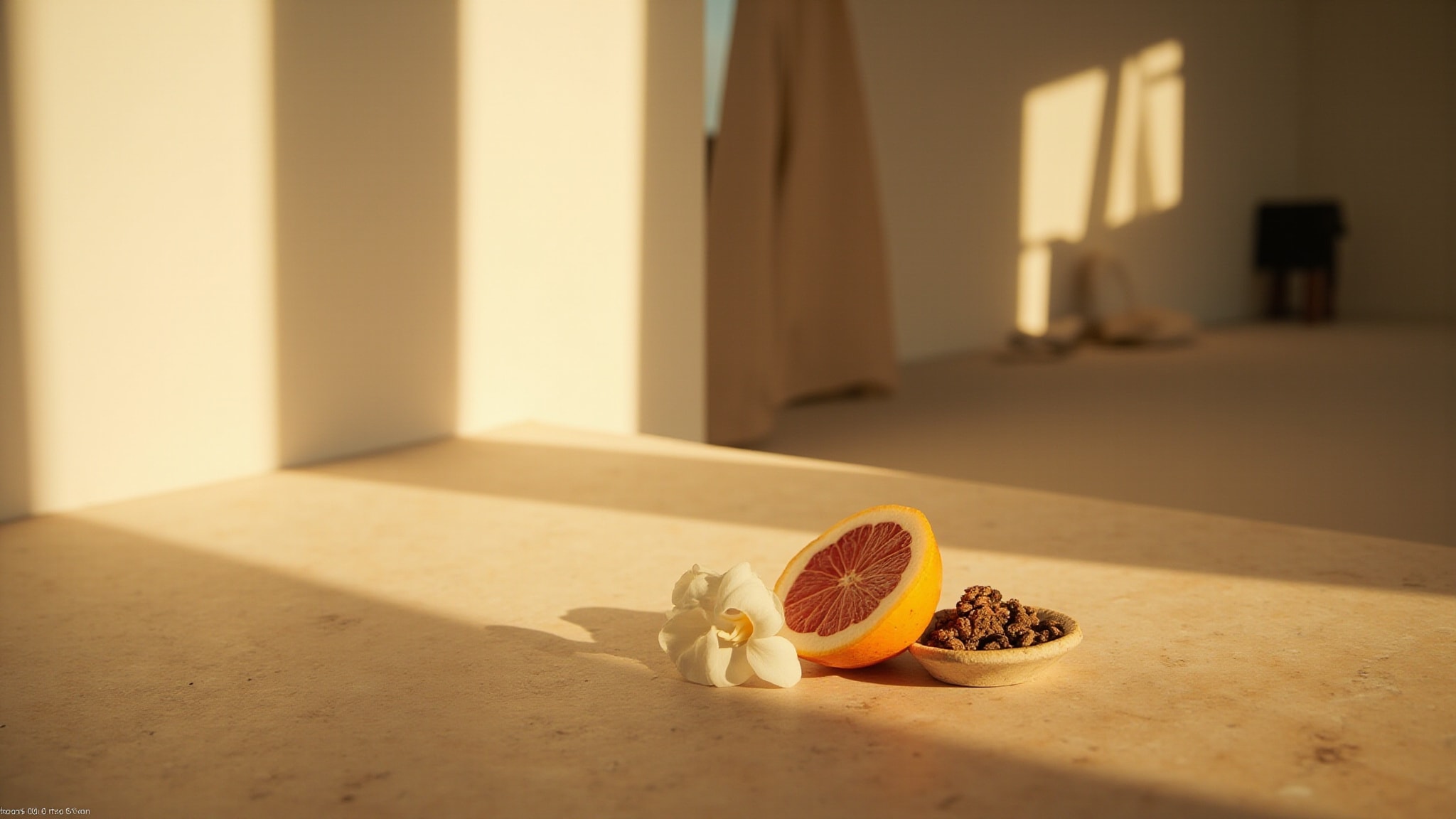
Gul Hina translates roughly to "henna flower" in Urdu, a name that tells you everything about what Russian Adam reached for when designing this composition. Released in 2022 as part of the brand's 7th Collection, it sits within a catalogue more often associated with dense oud distillates and raw agarwood. Where the house's signature work digs into smoke and wood, Gul Hina turns toward something quieter, a floral built on henna, jasmine, and rose, lifted by bergamot and anchored in sandalwood. The name isn't decorative. It's the brief.
Henna is an unusual middle-note choice, rarely given starring placement in modern perfumery. It carries a distinctive dry, tea-like bitterness that separates it from the heavier white florals more commonly found at center stage. Here it pulls jasmine and rose into a register that feels drier and more austere than the sweet floral norm, reading clearly floral without settling into easy sugar. The bitterness isn't loud; it's structural, giving the heart a quiet sharpness that keeps the sweeter notes in check.
The evolution
The opening belongs to bergamot and magnolia, a bright lift that reads almost citrus-clean before the white florals settle in. The jasmine rises quickly once the citrus settles, taking on a fuller, more rounded character that anchors the heart. Henna's distinctive tea-like bitterness threads through the jasmine, adding a dry edge that keeps the rose from ever tipping into jammy territory. The white musk underneath acts as a softener, holding the composition close to skin and preventing any note from projecting too aggressively outward. As the hours pass, the sandalwood gradually emerges in the base, warm and creamy, taking the florals with it into a drydown that holds without fading into nothing. The sandalwood doesn't announce itself; it accumulates, slowly replacing the sharpness of the heart with a softer, woodier warmth.
Cultural impact
Gul Hina occupies an unusual place in the catalogue, a henna-and-rose floral composition that stands apart from the denser, oud-driven releases the house is more commonly associated with. The henna brings its tea-like bitterness to the heart, a note that gives the composition a drier, more austere quality than typical sweet florals. Rose appears without ever tipping into jamminess, held in check by henna's dry edge and the white musk that softens the overall shape. The result reads as something lighter and more restrained, a composition that trades the brand's usual density for a quieter, more transparent gesture.