
The Story
Why it exists.
The beginning
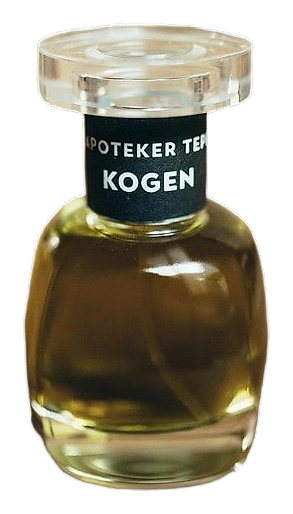
Apoteker Tepe built this composition around Japanese-sourced materials, yuzu and pear at the top, hinoki cypress, hiba cedar, kuromoji spicebush, pine needle, sweet birch, and peat smoke threading the middle and base. The yuzu opens with a sharp, almost metallic brightness that reads less like eating fruit and more like the cold air around it, while the pear adds a faint watery sweetness that softens the citrus without rounding it off. As the top notes settle, the hinoki and hiba cedar take over with a damp, slightly mentholated character, the kind of green wood smell that recalls a plank just split or a forest floor still holding last night's rain.
What's unusual here is the scale of the Japanese material list. Yuzu and pear do the cold-citrus opening, but the body pulls almost entirely from Japanese forestry: hinoki, hiba cedar, kuromoji, pine needle, sweet birch, peat. Yuzu is a fleeting material at this concentration, and pairing it with that many coniferous woods is not a casual decision. Each of those materials carries a specific aromatic signature, bright coniferous wood with a faint camphoraceous chill, and stacking them creates a layering effect where the individual notes blur into a single atmospheric impression.
The evolution
The first ten minutes are the coldest the scent gets. Yuzu and pear cut through with a clean, almost metallic brightness, and underneath them the birch and oakmoss are already waiting. The citrus starts to feel less like a fruit and more like the air around one, thin, mineral, and faintly bitter at the edges. By the thirty-minute mark the hinoki and hiba cedar take over. The wood here is not dry or pencil-shaving sharp. It reads damp, green, slightly mentholated, the smell of a plank just split or a beam in an old mountain house. Kuromoji spicebush settles in alongside the cedar, adding a quiet lemony warmth that keeps the wood from feeling cold. Incense drifts in around the two-hour mark, soft and resinous, and the smoke starts to sweeten. The frankincense gives the middle phase a low, humming warmth that sits underneath everything without dominating.
Cultural impact
Kogen has found its audience among wearers who already lean toward indie and atmospheric scent, the kind of person who reads the note list before the marketing copy. The Japanese material sourcing sets it apart from most Western releases, and the moss and smoke framework gives it a specific gravity that does not translate easily into warmer weather or louder contexts.