Sweet Birch
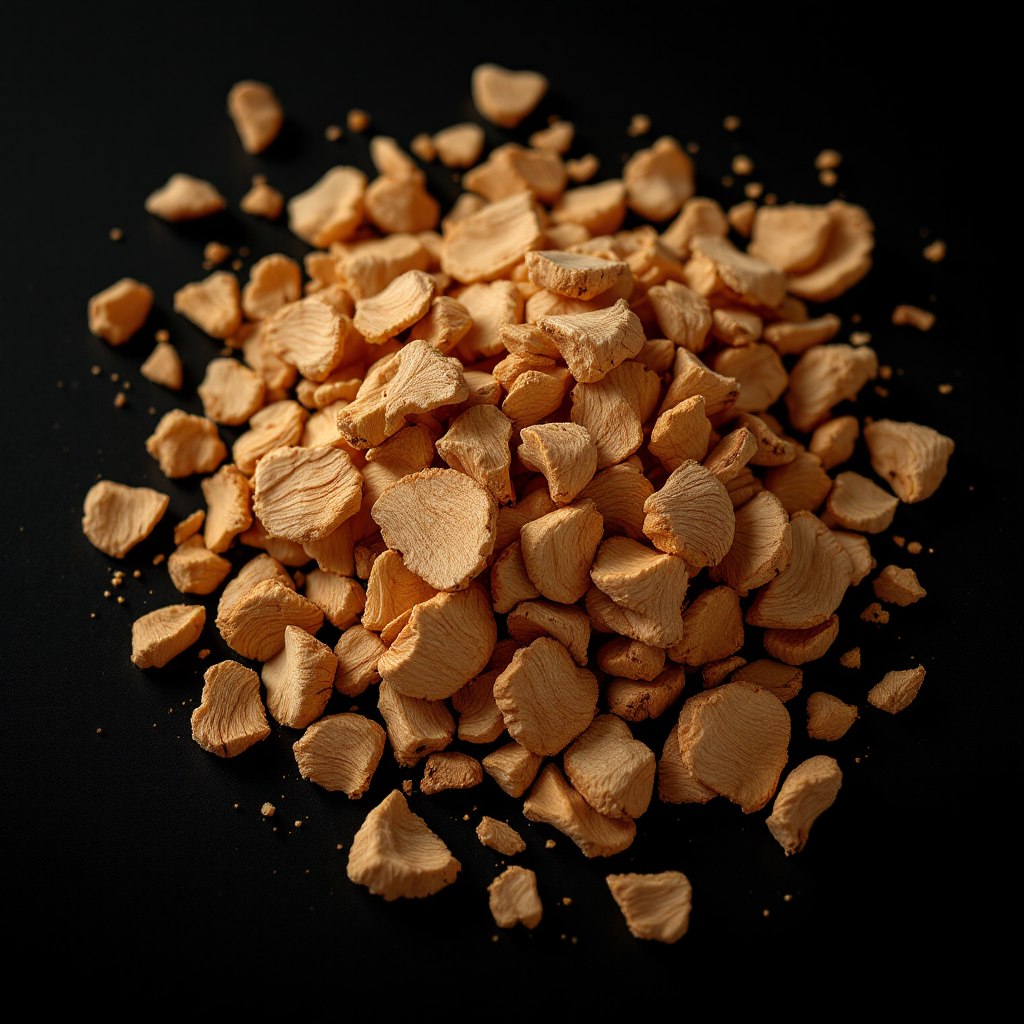
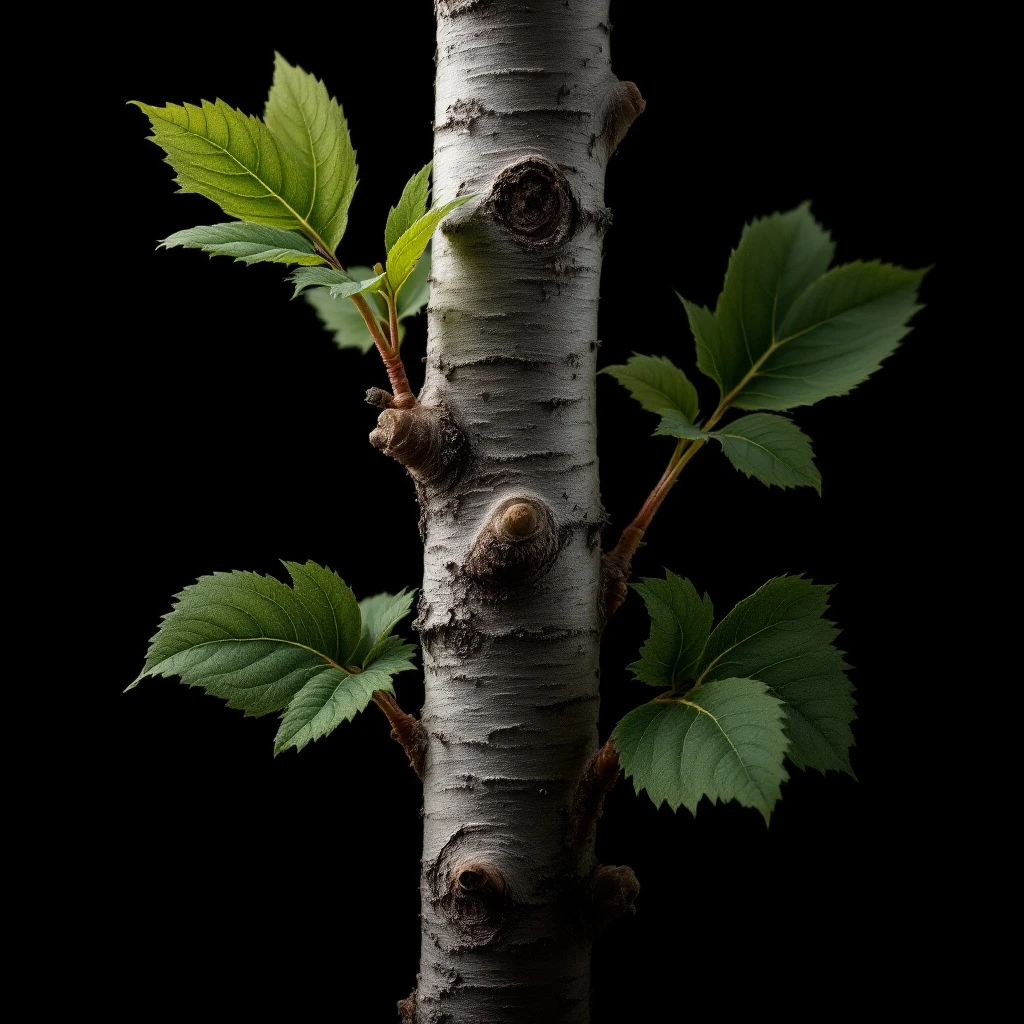
Sweet Birch is a North American tree whose bark yields methyl salicylate, producing a cool, medicinal scent reminiscent of wintergreen and aspirin. Perfumers employ it sparingly for its distinctive aromatic character in masculine and leather compositions.
Character
How it smells
North America's medicinal bark with a wintergreen soul.
Colonial Americans used sweet birch bark as a wintergreen substitute decades before synthetic aspirin existed, adopted from Native American medicinal traditions.




Origin
United States
Indigenous peoples of eastern North America first documented sweet birch's medicinal properties, using poultices and teas derived from the bark to treat muscle pain and fever. Early European colonists rapidly adopted these practices, finding the tree abundant across New England and the Appalachian region.
The species earned its "sweet" designation from the distinct wintergreen aroma released when breaking or bruising the bark, unlike the relatively scentless paper birch common to the north. American physicians routinely prescribed birch bark preparations throughout the 18th and 19th centuries before synthetic pharmaceuticals emerged.
The commercial wintergreen flavor industry grew from these roots, eventually supplying candy, medicines, and later fragrance compounds. By the mid-20th century, most wintergreen-scented products transitioned to synthetic methyl salicylate, though natural birch oil remains valued among natural perfumers seeking authentic botanical origins.
Wears it best
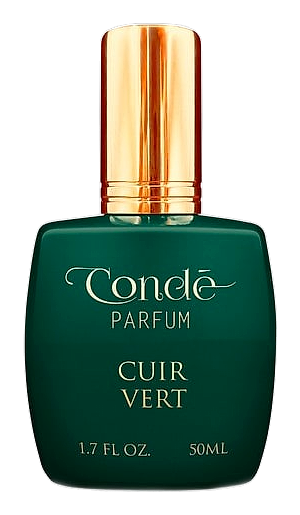
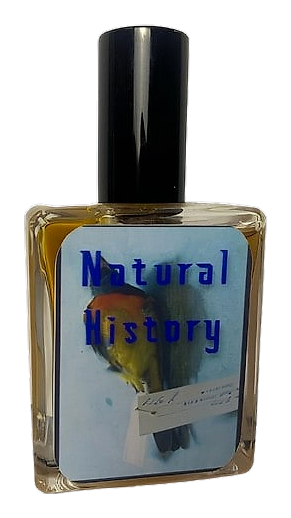
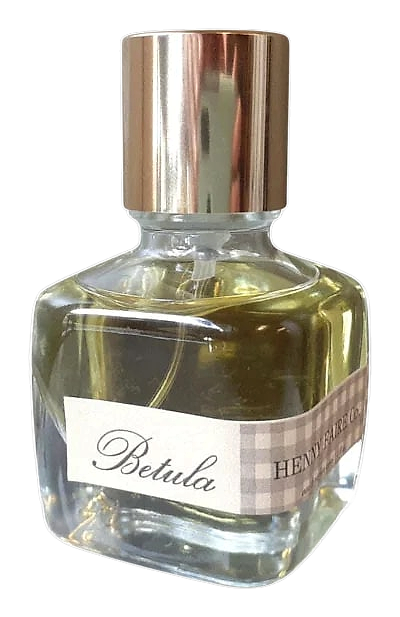
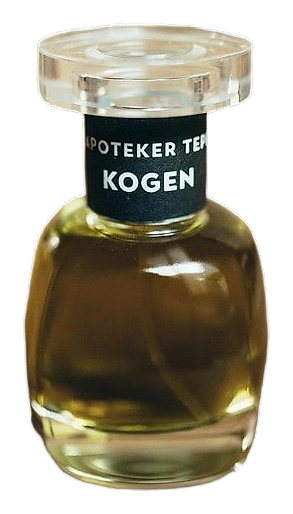
Fragrances featuring Sweet Birch
Brands
Brands known for Sweet Birch
Good to know
Questions, answered
The essentials on Sweet Birch in perfumery: how it smells, where it comes from, and how it behaves on skin.
What does sweet birch smell like?
Sweet birch delivers a cool, medicinal wintergreen character with cool, aspirin-like undertones. It smells similar to methyl salicylate with subtle woody, medicinal depth.
Is sweet birch used in men's or women's fragrances?
Perfumers most often deploy sweet birch in masculine fragrances, particularly leather and fougère compositions. Its medicinal freshness occasionally appears in unisex or women oriented scents for distinctive top-note character.
Is sweet birch oil natural or synthetic?
Sweet birch oil is entirely natural, steam distilled from North American birch bark. Synthetic methyl salicylate replicates the primary aromatic compound but lacks the subtle complexity of natural birch oil.
What fragrances feature sweet birch?
Sweet birch appears in leather-focused masculine scents where it adds aromatic, medicinal depth. Classic masculine and fougère fragrances most commonly feature this material as a supporting note.
Is sweet birch safe for skin application?
Sweet birch oil requires careful handling due to high methyl salicylate content. IFRA guidelines restrict its use in leave-on skin products, though it remains permitted in trace amounts within fragrance formulations.
How is sweet birch different from birch tar?
Sweet birch oil comes from steam distilling fresh bark, yielding methyl salicylate. Birch tar derives from destructive distillation of wood, producing creosote-like, smoky compounds with entirely different odor profiles.
What gives sweet birch its wintergreen scent?
Methyl salicylate, the same compound responsible for wintergreen and aspirin aromas, comprises up to 99% of sweet birch oil. This ester develops naturally within the bark as a defensive compound.
Where does sweet birch grow naturally?
Sweet birch (Betula lenta) grows natively across eastern North America, from Maine south through the Appalachian Mountains to Alabama, and west to Ohio and Tennessee.