The Story
Why it exists.
The beginning
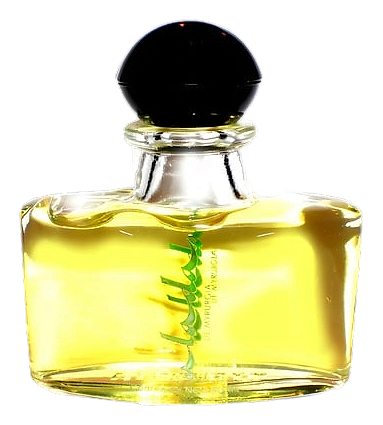
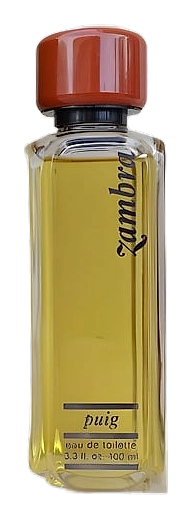
Zambra arrived in 1967 from Antonio Puig, a Barcelona house with deep roots in fragrance making. The name itself does heavy lifting: a zambra is a flamenco style rooted in Andalusia, a dance that begins in restraint and builds into something more unguarded, more physical. The fragrance wears that same arc. Zambra wanted warmth, skin contact, the kind of beauty that feels slightly lived-in before you even bottle it. White flowers the color of midday sun through a window, grounded enough to wear past the candle-lit dinner that followed. That particular combination of brightness and warmth, lifted florals with a body beneath them, gives Zambra its signature. You smell the top and think crisp, almost radiant. You smell the dry-down and think warmth, the kind that lingers on a sweater.
Zambra is classified as a floral, but the proportions within that category matter. The aldehydes lift the petals forward rather than announcing themselves outright, giving brightness without glitter. The heart combines the soapy, honeyed edge of orange blossom with the lush narcotic pull of jasmine, but the balance keeps it from going sultry. The base reaches for warmth without heaviness. No dark patchouli, no dense resin. Just enough amber and soft musk to let the flowers rest on something that feels like skin rather than glass. The trick is in the calibration.
The evolution
First ten minutes: the aldehydes do their bright, almost mineral work. There's a sparkling edge, like light catching on a glass surface, and beneath it the orange blossom arrives early, sweet and slightly soapy, the kind of clean warmth you get from a towel fresh off a radiator. The jasmine waits. It does not announce itself yet. The heart, somewhere around the 20-minute mark, is where Zambra earns its keep. The jasmine finally steps forward, creamy and narcotic in that way only good jasmine can be. It mixes with whatever neroli is doing in the background, and the whole thing takes on a golden, almost honeyed glow. This is the phase that lasts. If you smell your wrist at hour two, this is what you will find. Warm without being heavy. Floral without being girlish. Hour four onward: the aldehydes are gone, the jasmine has quieted to a thread.
Cultural impact
Zambra sits firmly within the white floral category that defined much of mid-century perfumery, but it carries a warmth and depth that distinguish it from many of its contemporaries. The fragrance reads as amber-rich and musky in its drydown in a way that gives the florals underneath a kind of gravity, body, and presence that more fleeting constructions do not offer. It appeals to wearers who want a white floral with weight, something that feels composed rather than decorative. Zambra rewards patience. The first impression is brightness, almost radiance, but the fragrance deepens as the hours pass, becoming warmer and more substantial.