The Story
Why it exists.
The beginning
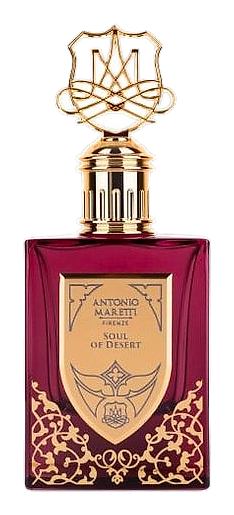
Soul of Desert arrived in 2025, composed by Cristian Calabrò. The scent draws on the Oriental Floral structure and loads it with resin, powder, and amber until the flower becomes terrain. Soul of Desert doesn't translate desert literally. There are no dry cacti or sun-baked earth accords. Instead, it offers something closer to the feeling of watching a sunset turn to dusk, when heat softens, powder rises, and the air holds. The opening introduces jasmine that carries a fleshy, almost indolic warmth, a sweetness with an animal edge that prepares the skin for what comes next. From this warm, slightly carnal start, the composition moves steadily toward a rose that feels steeped rather than freshly cut, weighted with resin and amber rather than lifted by fruit or green leaves.
What defines the opening of Soul of Desert is the powder note that arrives almost immediately. Powdery accords in modern perfumery often read synthetic or soapy. Here, the powder functions as atmosphere, an ambient haze that softens everything it touches: the jasmine's sharpness, the benzoin's sweetness, even the tonka bean's gourmand pull. The powder opens the composition like a curtain, filtering every subsequent note through its dusty veil. The heart pairs Damask Rose with benzoin and tonka bean, a trio that anchors florals in resin rather than fruit or green.
The evolution
The first 15 minutes belong to jasmine and powder, reading almost cosmetic, like face powder dusted across skin on a warm evening. The jasmine carries a slightly indolic edge, sweet but with a fleshy undertone that prevents the opening from feeling clean or aloof. Then the Damask rose arrives, and the composition pivots. The rose here isn't bright or dewy. It's been steeped. Benzoin and tonka flood the heart, turning the flower into something between rose jam and church incense, sweet but leaning shadow. By the 2-hour mark, the resins dominate. The vanilla and benzoin pull together into a near-gourmand warmth, while musk underneath adds skin-like intimacy. The cedarwood arrives late, grounding the drydown with a quiet woodiness that prevents the vanilla from going cloying. At hour 5, what remains is amber, musk, and a ghost of powdery rose.
Cultural impact
Wearers who reach for Soul of Desert tend to want rose compositions that feel intimate rather than showy. It sits closer to the amber-heavy, resinous end of the Oriental Floral category than to the bright, fruity roses that appear in many mainstream launches. The powdery, almost devotional warmth at its core gives it a contemplative quality, the kind of scent that suits cooler months and evening wear, when heavier compositions feel right against the skin and the air.
The House
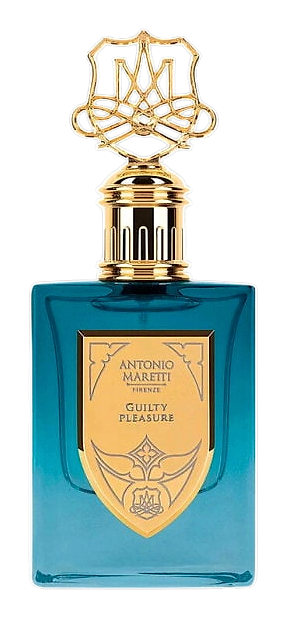
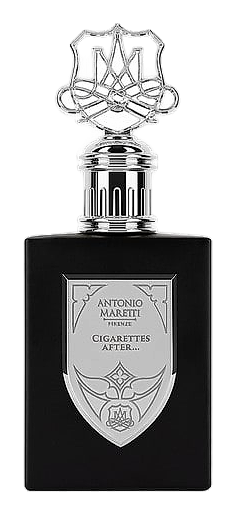
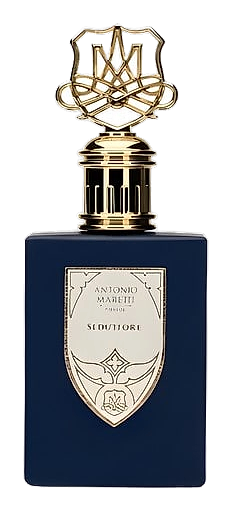
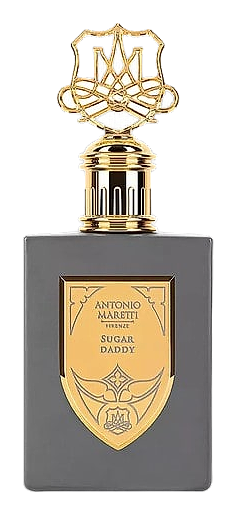
Antonio MarettiAntonio Maretti is a niche perfume house that emerged from Florence in 2022. The brand translates the city’s artistic heritage into a line of bold, character‑driven scents. Each fragrance is formulated in Italy and released as a limited edition, allowing the house to keep a tight focus on quality and narrative. The portfolio spans unisex and gender‑specific offerings, ranging from the citrus‑bright Limoncello Kiss to the dark, woody Vicious Mind. By anchoring its creations in the cultural memory of the Renaissance, Antonio Maretti invites wearers to experience a modern reinterpretation of classic Italian elegance.
The Creator
Cristian CalabròCalabrò demonstrates particular skill in rendering gourmand compositions with sophistication, as evidenced by Caramelo Vanilla and Almond Harmony. His work with The House of Oud reveals an ability to handle oriental structures with nuance, balancing richness with restraint.