
The Story
Why it exists.
The beginning
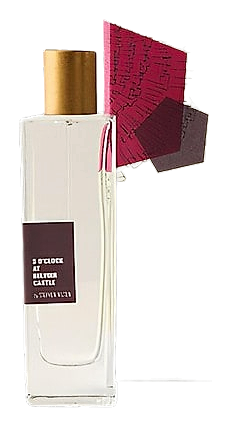
Anthropologie's 2009 release, part of A Rather Novel Collection, borrowed its name from an aristocratic address and the ritual of afternoon tea. Stephen Nilsen composed it as one of six fragrances in the collection, each built around a tea note and packaged inside faux-book boxes designed to look great lined up next to each other on a bookshelf. The concept was simple: take the comfort of a cup of something warm, add a touch of old-world English estate, and let the bottle look right next to the hardcovers. You get something that reads as literature on the shelf and something entirely different held up to the nose. Nilsen built the scent like a small ceremony, the kind that happens with a teacup in hand and quiet conversation nearby.
Nilsen pulled the jasmine in a quieter direction, letting it whisper beneath bergamot's brightness and a generous bed of sandalwood and oakmoss. The chypre-floral structure borrows from classic perfumery without copying it directly: bergamot opens the door, but moss and sandalwood decide who gets to stay. The jasmine here never feels heady or overpowering. It hovers, almost translucent, gaining warmth from the sandalwood's cream and depth from the oakmoss's earthy green. You catch it in passing, like someone wearing perfume in the next room rather than pressing against your wrist.
The evolution
The first spray is all bergamot, bright and almost sharp, the way cold air hits your face stepping outside. Within fifteen minutes the jasmine arrives, but it doesn't arrive alone. Sandalwood walks in beside it, warming the edges, and oakmoss settles underneath like something growing on old stone. The floral never peaks the way a solo jasmine can. It plateaus, holds steady, and lets the moss do the slow work of turning afternoon into evening. After about two hours the bergamot is essentially gone, and what's left is a mossy, woody softness with jasmine woven through it like thread in fabric. The drydown is the longest chapter. Sandalwood and oakmoss carry the composition through the late hours, their warm-cream and damp-earth qualities holding steady as everything else fades around them.
Cultural impact
Part of A Rather Novel Collection, the fragrance treated perfume as collectible object from the start. The faux-book packaging made the bottles a shelf accessory first, fragrance second, an approach that valued narrative and presentation in equal measure. The bottles were meant to be seen before they were smelled, to earn their place on a bookshelf among actual hardcovers. That kind of cross-category thinking, where a perfume borrows from book design, stationery, or domestic ritual, signals a certain kind of buyer: someone who wants their objects to mean something beyond their function.