The Story
Why it exists.
The beginning
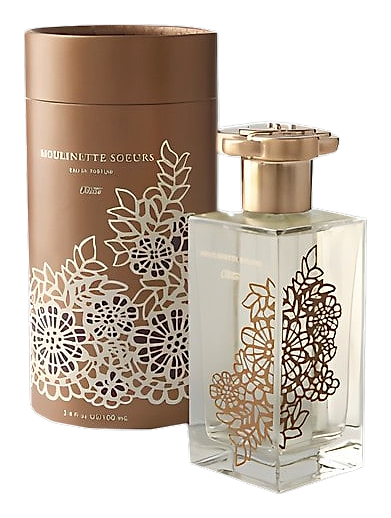
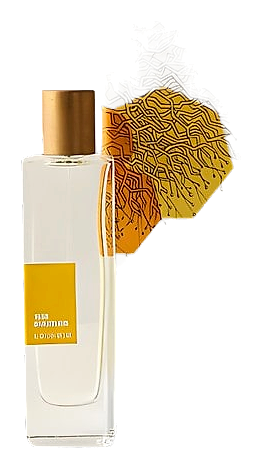
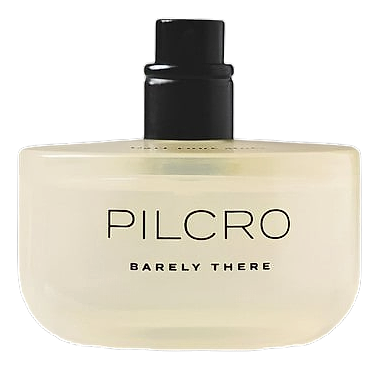
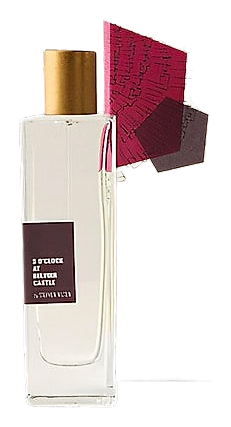
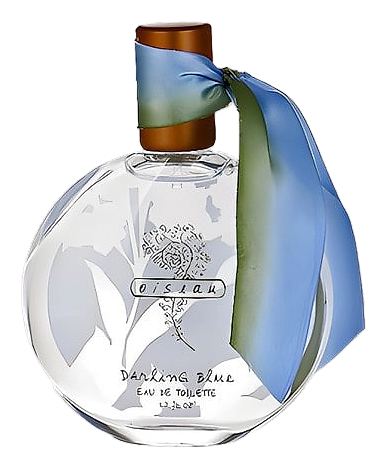
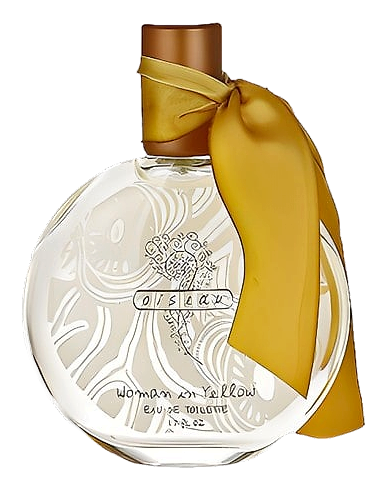
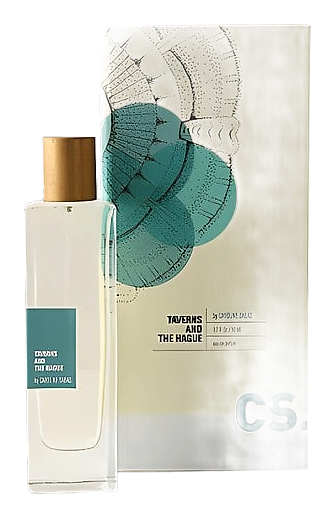
Taverns & The Hague came out of Anthropologie's 2009 collection called A Rather Novel Collection, a set of six exclusive fragrances developed with five Givaudan perfumers. Caroline Sabas was tapped for this particular entry. The name suggests two rooms, two settings, two textures of social space, and the fragrance holds that duality in its grip: bright and contained, lively yet poised. On first spray, the citrus notes come forward quickly, lifted and immediate, the kind of opening that catches you before you've even settled into the day. As the minutes pass, the tea accord softens the brightness, pulling the composition inward toward something warmer and more contemplative, and the musk beneath grounds everything in a dry, skin-like finish that stays close rather than projecting outward.
What's interesting here is the restraint. Violet leaf and tea share a quiet, almost vegetal character, and paired with sharp lemon and mandarin, the composition reads like cold-brewed tea with a twist of citrus peel, rather than a perfume shouting for attention. The musk at the base doesn't amp things up either. It rounds the edges and lets everything dissolve cleanly. Caroline Sabas built a composition that knows exactly when to stop.
The evolution
The first ten minutes are the loudest this fragrance ever gets. Lemon zest and mandarin arrive with a bright, almost sparkler quality, like peeling citrus in direct sunlight. There's a green snap from the violet leaf that gives it an herbal, slightly bitter edge, the kind that makes your nose pay attention without leaning back. As the citrus starts to lift, the tea steps forward. It's not a smoked or smoky note. It's a steeped, clean, aqueous tea, the sort of thing that smells like a porcelain cup held with both hands. The violet leaf softens but doesn't disappear, keeping everything in a cool, leafy register. By the two-hour mark the whole composition has quieted considerably. The musk at the base takes over the conversation, carrying the ghost of the tea and the faintest trace of citrus zest on its back. What remains is a clean, skin-close warmth that reads more like the memory of a scent than the scent itself. It stays like that for another few hours, intimate, understated, and gone before you have to think about it.
Cultural impact
Taverns & The Hague lives in the small, quiet corner of fragrance, the one that doesn't chase trends or demand attention. It reads as an Anthropologie discovery: the kind of bottle you discover on instinct and end up wearing more than you expected. The citrus-tea-musk combination makes it easy to reach for, and the soft projection means it stays personal, hovering close to the skin rather than filling a room.
The House
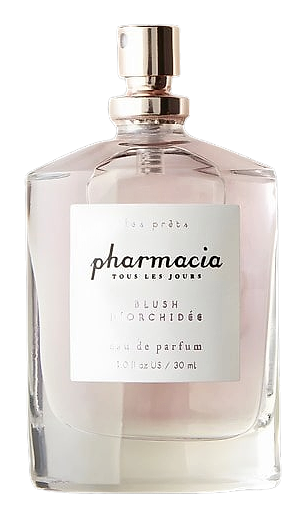
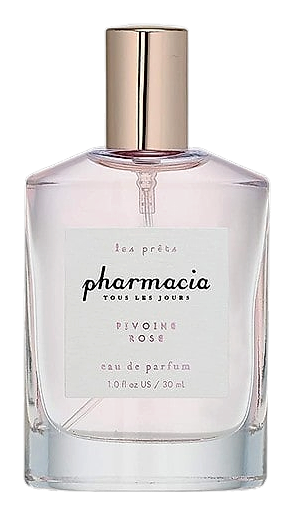
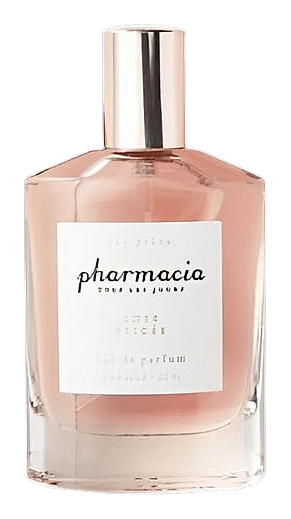
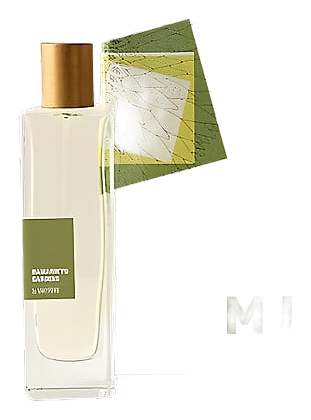
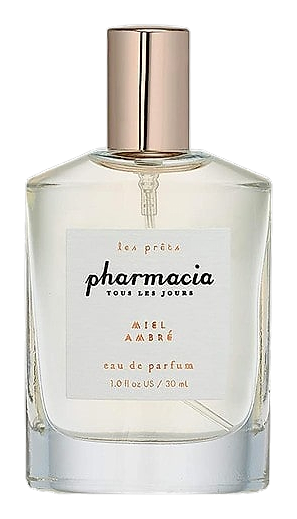
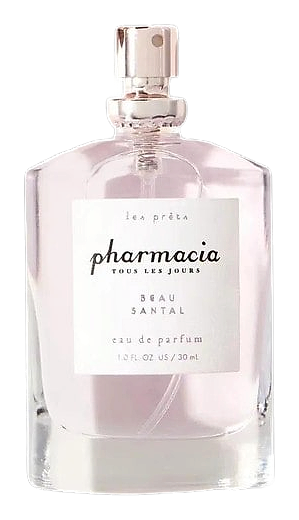
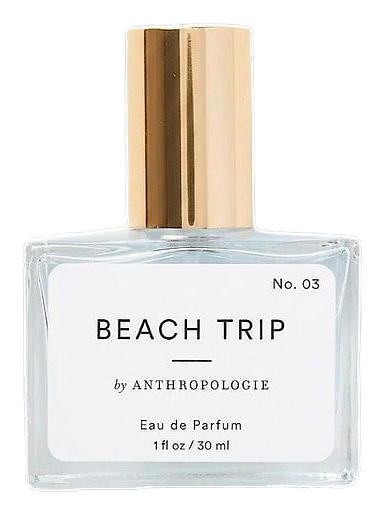
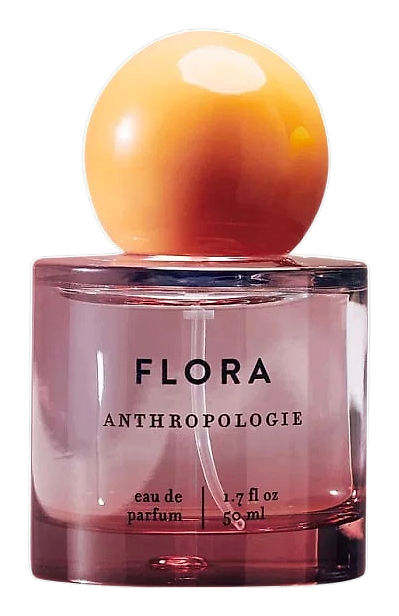
AnthropologieAnthropologie enters fragrance through a curated approach, stocking an edited selection of artisan and niche perfumes alongside its own proprietary scent collections. The brand extends its lifestyle positioning into olfactory territory, offering fragrances that reflect the same aesthetic sensibility found across its clothing, home, and accessories lines. Rather than building a singular fragrance house identity, Anthropologie functions as a discovery platform, introducing customers to scents through collaborative exclusives with houses like Le Labo and original lines such as Pharmacia and A Rather Novel Collection. The fragrance program maintains the brand's focus on discovery and individuality, appealing to customers seeking less conventional scent stories than mainstream perfume counters provide.
The Creator
Caroline SabasSabas has developed a reputation for creating instantly appealing fragrances with genuine depth. Her style often features lush florals, sweet gourmand elements, and warm woody bases that feel both modern and timeless.