
The Story
Why it exists.
The beginning
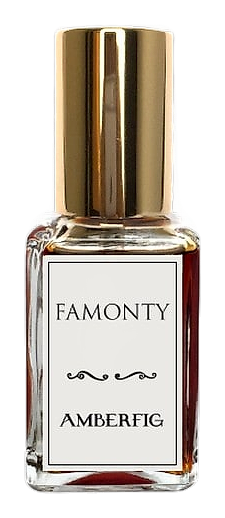
Famonty arrived in 2017 from Amberfig, the niche house founded in 2014 that has built its catalog working with external perfumers rather than a house nose. David Magalhães designed this one with a clear reference point: the classical chypre. Not the fruity reinterpretation that dominated the 2000s, the real structure. Moss, leather, warmth held in check by something darker. The name itself suggests something familial, inherited, old.
What makes Famonty interesting is the oakmoss backbone. In a post-IFRA regulatory landscape where many houses have softened or removed this material, a fragrance that builds around it reads as a statement. The camphor adds a cool, almost medicinal edge that keeps the cherry sweetness from becoming decorative. It is dense without being heavy, the kind of composition that has weight but doesn't announce itself from across the room. For someone who has worn through the fruity chypres and wants something that remembers what the family was built on, this is the argument.
The evolution
Pink pepper opens first, a brief sharp brightness. Then the heliotrope, soft and almost almond-like, but not for long. The cherry liqueur sits on top like a sweet thought that doesn't survive contact with what comes next. Within minutes, leather and patchouli arrive and they do not negotiate. The camphor arrives to cool everything down just as the warmth could become overwhelming. The cacao keeps the heart unsweetened, just adding texture. The drydown is where it earns its age: dragon's blood resin and guaiac wood create something smoky and warm that settles close to the skin. Four to six hours of that, intimate, not announced. On fabric, it lingers as something resinous and mineral, the kind of trace that surfaces hours later and makes you remember you wore it.
Cultural impact
Famonty sits in a specific niche, the 2017 chypre for someone who has already worn through the fruity reinterpretations and wants something that remembers what the family was built on. The camphor edge and the oakmoss backbone differentiate it from sweeter cherry-leather compositions that followed the same year. In a landscape where most niche releases lean toward accessibility, this one earns its difficulty.