The Story
Why it exists.
The beginning
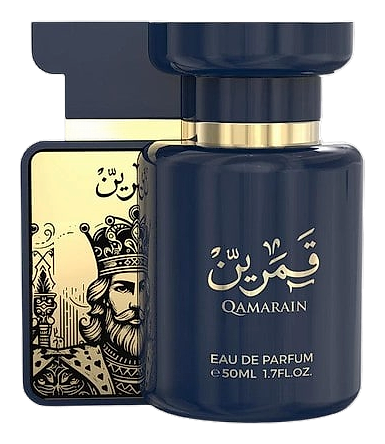
Qamarain is built around duality, the idea of something that reflects and contradicts itself at the same time. Inspired by the image of twin moons, the composition treats that opposition as a working principle, not a decorative one. Strength and composure. Brightness and shadow. A pineapple top that grins, an oakmoss base that remembers its manners. The whole structure is a conversation between two registers that shouldn't quite fit together, yet somehow do. The opening pulls you in with that tropical brightness, almost playful, almost too generous, and then the base quietly insists on something deeper, greener, more grown. It's the kind of fragrance that keeps talking to you after the first impression fades, shifting its weight from one half of the duality to the other.
The interesting move here is letting pineapple share the stage with bergamot and lime, a cocktail that usually belongs on a summer terrace, then dragging the whole thing toward a proper chypre territory with patchouli and oakmoss. Most fruity-citrus openings float away by the second hour. This one has somewhere to land. The cedar and jasmine in the middle act as the hinge, wood and white floral pulling the brightness back toward something wearable after dark. The transition feels deliberate, almost architectural, like watching a building shift its weight as the sun moves.
The evolution
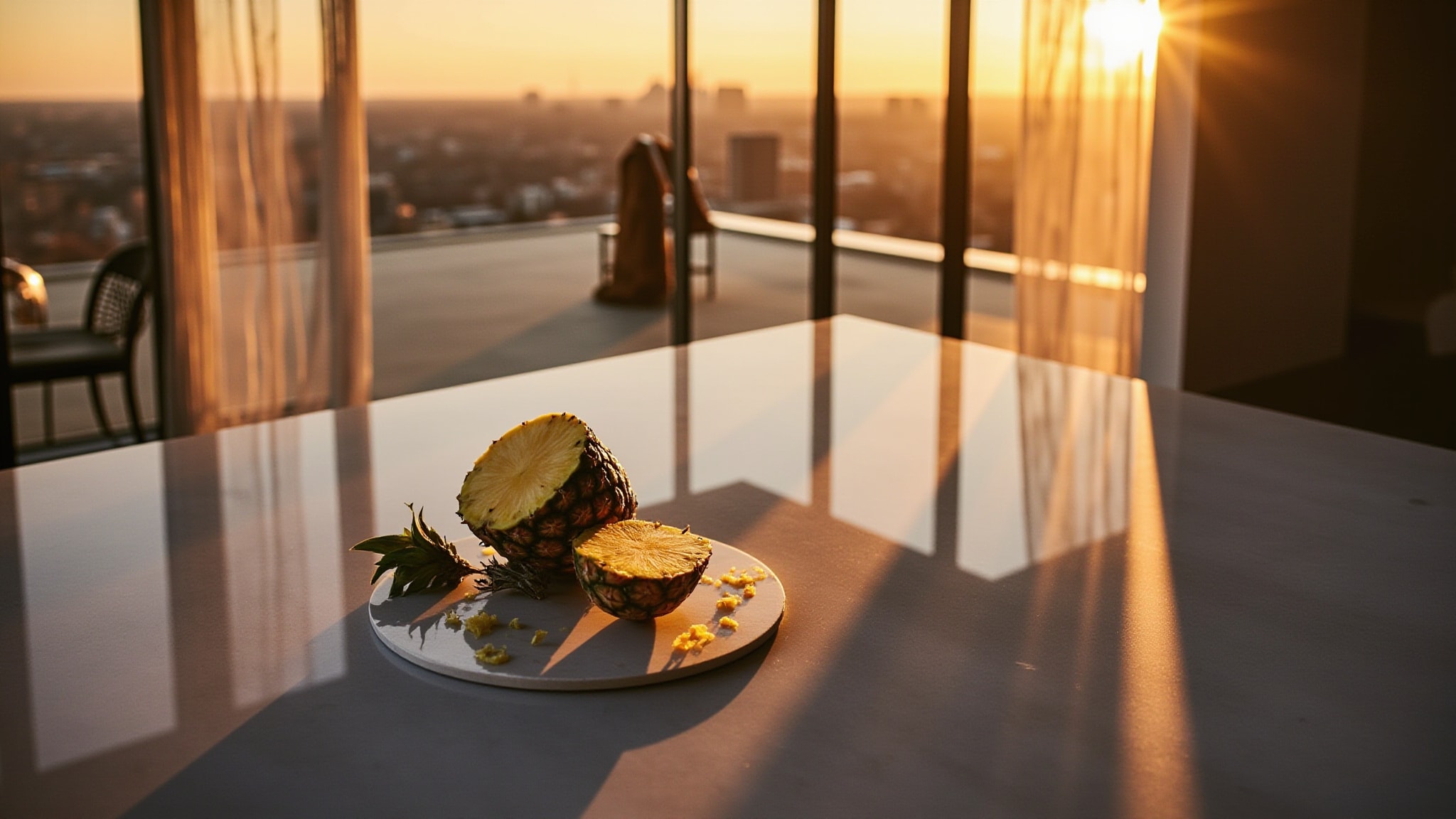
The pineapple is loud from the start, bright and tropical and just a little sticky, the kind of fruit note that fills the air around your wrist. Bergamot and lime are present, but the pineapple dominates the opening in a way that feels almost deliberate, a choice to let the sweet, juicy side speak first. As the composition wears, the citrus gradually steps back and cedar starts to show up, dry and structural, giving the fruit something to lean against. Jasmine threads through the middle, subtle and a little creamy, like a white shirt under a dark jacket. It keeps the sweetness from tipping into sugar and adds a quiet softness to the cedar's sharper edges. Patchouli arrives and the whole thing tips from fresh-cut fruit into something earthier, more grown, more grounded. The transition is smooth but noticeable, the kind of shift you feel rather than analyze in real time.
Cultural impact
Qamarain For Him draws on the image of twin moons, a name that situates the fragrance within a regional poetic vocabulary. The profile, bright tropical fruit stacked over a classical chypre base, reflects a broader conversation happening in contemporary Middle Eastern perfumery, where classical structures are being approached with a willingness to layer unexpected openings on top of them. The pineapple and bergamot combination reads almost as a deliberate disruption, a way of forcing the chypre floor to earn its weight by contrasting it with something sweeter and more modern.