
    Brand Profile

    Amaran is a UAE‑based perfume house that launched its first collection in 2020 and has expanded to more than three dozen scents by 2025. The…More

    United Arab Emirates·Est. 2020·Site

    4.7

    Rating

    38
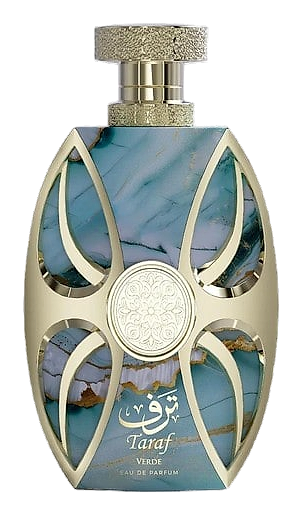
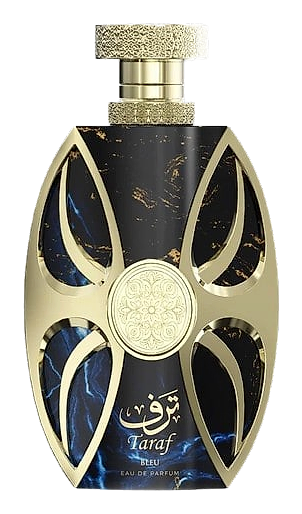
    Taraf Bleu by Amaran
    NewBest Seller
    4.8

    Taraf Bleu

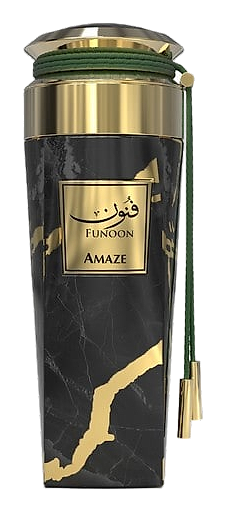
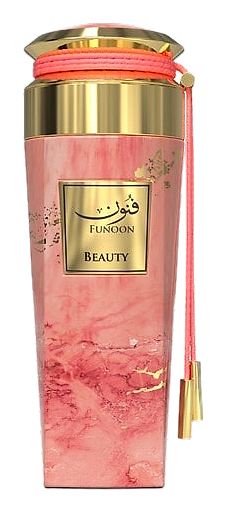
    Funoon Amaze by Amaran
    NewBest Seller
    4.7

    Funoon Amaze

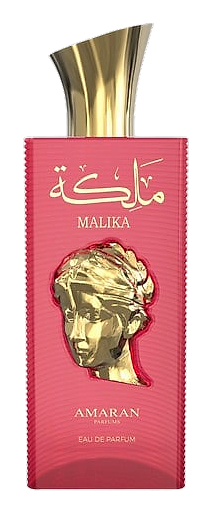
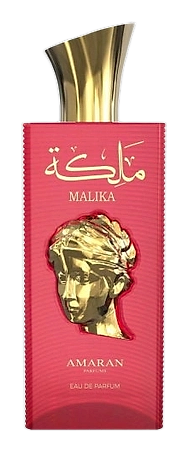
    Malika by Amaran – Eau de Parfum
    Best Seller
    4.7

    Malika

    Eau de Parfum

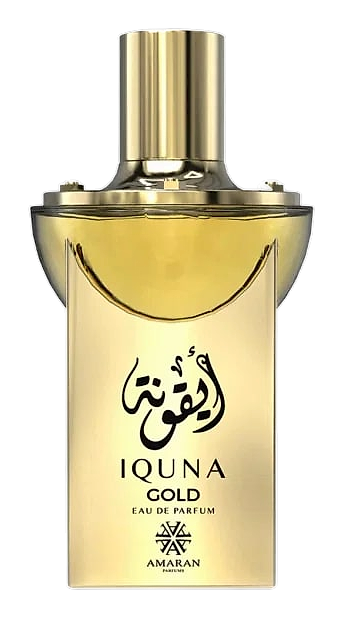
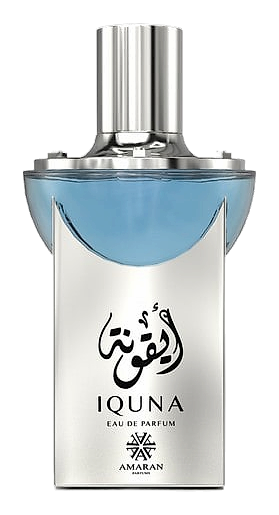
    Iquna Gold by Amaran
    New
    4.6

    Iquna Gold

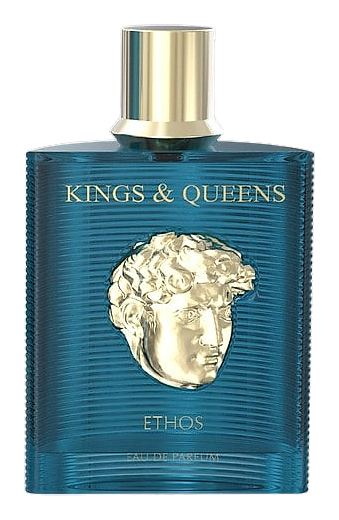
    Kings & Queens Malik by Amaran
    New
    4.6

    Kings & Queens Malik

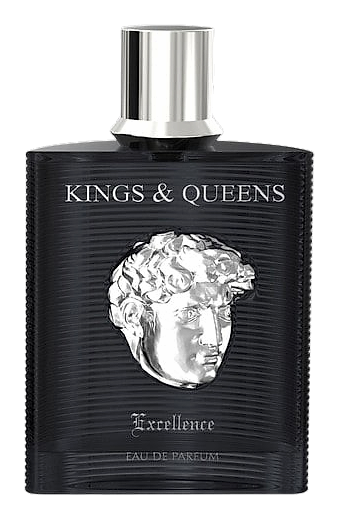
    Kings & Queens Excellence by Amaran
    4.5

    Kings & Queens Excellence

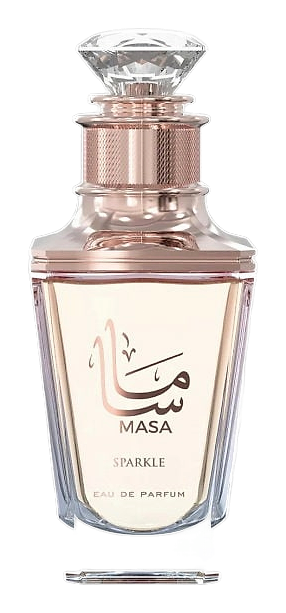
    Masa Sparkle by Amaran
    New
    4.5

    Masa Sparkle

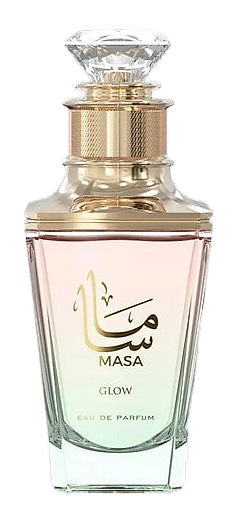
    Masa Glow by Amaran
    New
    4.5

    Masa Glow

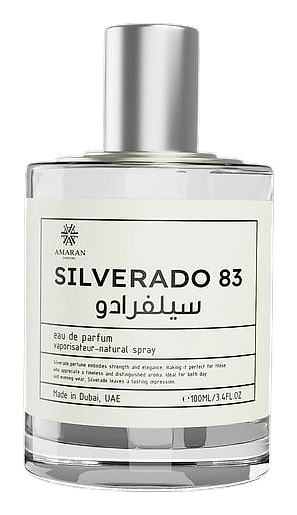
    Silverado 83 by Amaran
    4.5

    Silverado 83

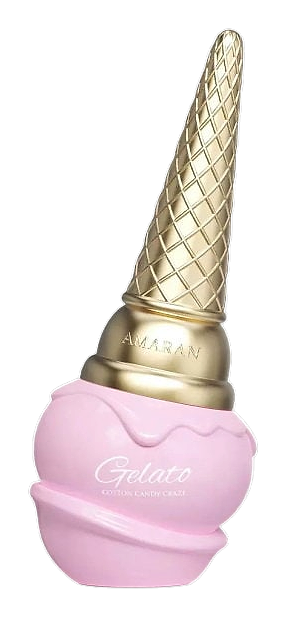
    Gelato Cotton Candy Craze by Amaran
    4.4

    Gelato Cotton Candy Craze

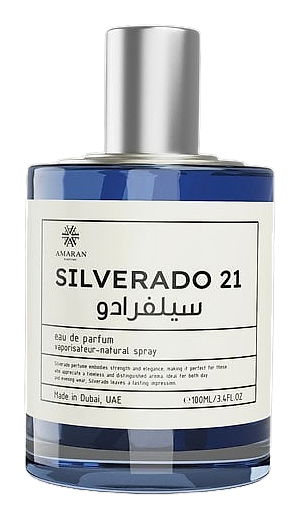
    Silverado 21 by Amaran
    4.4

    Silverado 21

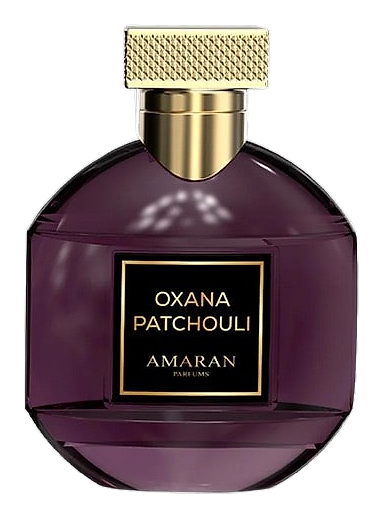
    Oxana Patchouli by Amaran
    4.4

    Oxana Patchouli

    1 of 4

    The Heritage

    The Story of Amaran

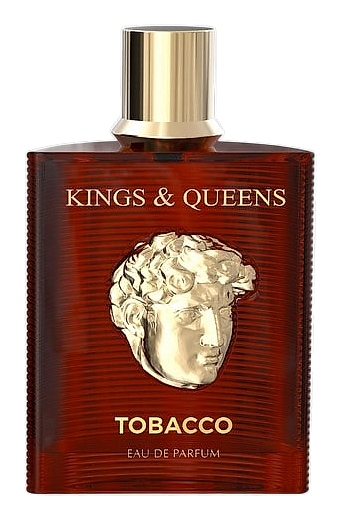
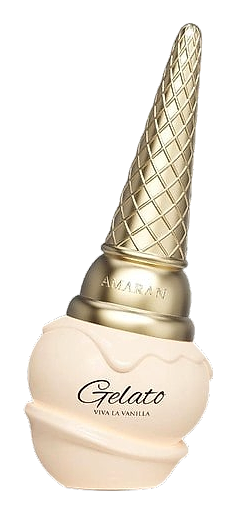
    Amaran is a UAE‑based perfume house that launched its first collection in 2020 and has expanded to more than three dozen scents by 2025. The brand blends Middle Eastern olfactory traditions with contemporary composition techniques, offering fragrances that range from the bright, candy‑inspired Gelato Viva La Vanilla to the regal, woody‑spiced Kings & Queens Excellence. Amaran positions each scent as a moment of discovery, encouraging wearers to explore the narrative woven into the bottle.

    Heritage

    Amaran entered the fragrance market in early 2020, founded by a group of Dubai entrepreneurs who shared a passion for scent storytelling. The founders, whose names are not publicly disclosed, drew on the region’s historic use of incense and attar while studying modern perfumery in Europe. Their first release, a modest amber‑oriental blend, attracted attention from niche‑fragrance collectors in the Gulf. By 2021 the house introduced Kings & Queens Excellence, a composition that combined oud, leather and spice, marking its first entry into the high‑end segment. The following year the brand opened a small atelier in Al Quoz, where a team of trained perfumers began experimenting with locally sourced ingredients such as frankincense from Oman and rose oil from Saudi farms. In 2023 Amaran partnered with Dubai Design Week to showcase a limited edition line inspired by the city’s skyline, reinforcing its commitment to cultural dialogue. The launch of Qamarain at Mina Seyahi in 2024 highlighted the house’s growing event presence, featuring a runway‑style presentation that paired scent with visual art. 2025 proved prolific: the catalogue grew to include Taraf Bleu, Funoon Amaze, Iquna Gold, Masa Sparkle, Masa Glow, Silverado 83 and Silverado 21, each released alongside targeted social media campaigns that emphasized the narrative behind the name. Throughout its six‑year journey, Amaran has remained privately held, reinvesting revenue into research, ingredient sourcing trips to the Levant and collaborations with regional artisans.

    Craftsmanship

    Amaran builds each fragrance in a dedicated lab that follows both traditional and modern protocols. Raw materials arrive from farms in Morocco, India, Oman and France, where the house conducts on‑site audits to verify ethical practices. Essential oils are extracted using steam distillation or cold‑press methods, depending on the botanical, and the resulting extracts are stored in stainless‑steel vats at controlled temperature to prevent oxidation. Formulators then blend the ingredients in small batches, typically no larger than 500 ml, allowing precise adjustment of ratios. The house employs a tiered testing process: initial stability tests run for 30 days, followed by skin‑compatibility trials on a panel of volunteers representing the Gulf’s diverse demographic. Once a formula passes these checks, it moves to the aging stage, where the blend rests in dark glass containers for up to three months to allow the notes to harmonize. Bottles are hand‑filled in the Al Quoz atelier, and each is sealed with a custom‑cut crystal stopper that the brand commissions from a local glass studio. Quality control inspectors verify weight, scent intensity and visual consistency before the product leaves the facility. Amaran also records each batch’s batch number, raw material lot, and perfumer signature, creating a traceable archive that supports both recall safety and collector interest.

    Design Language

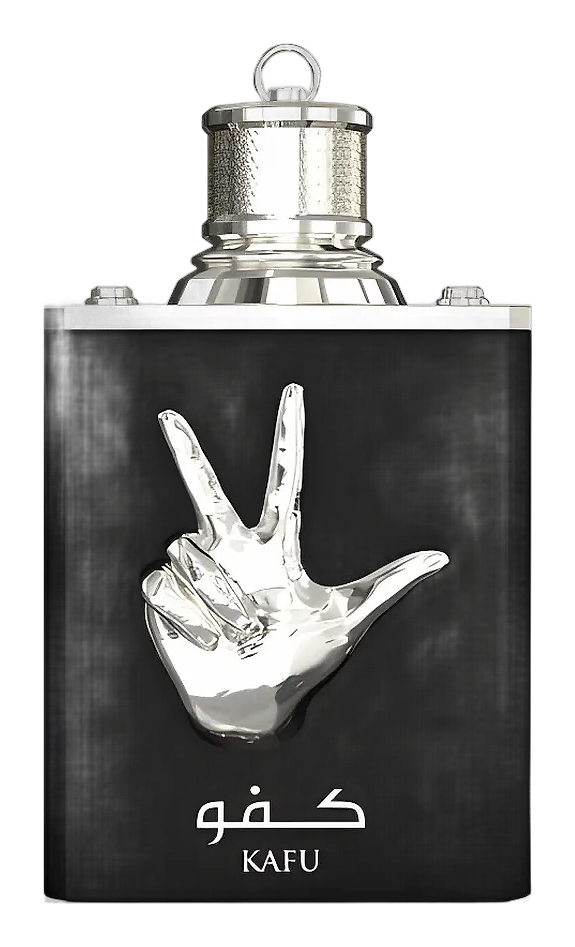
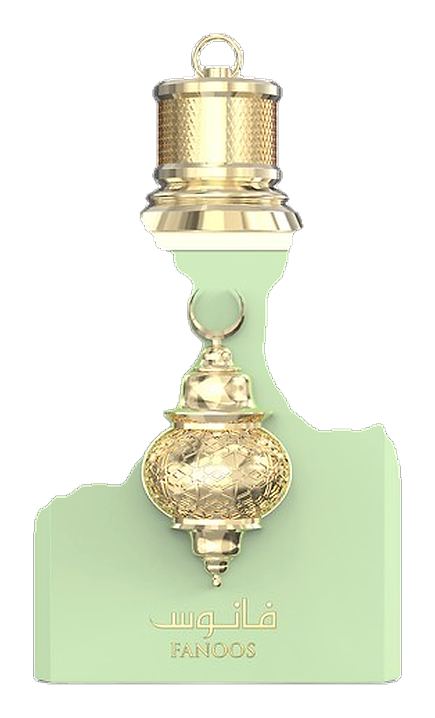
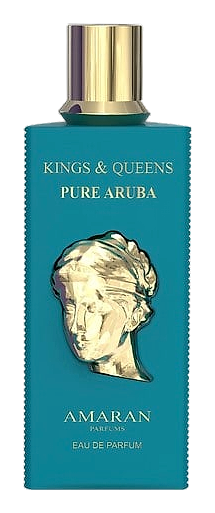
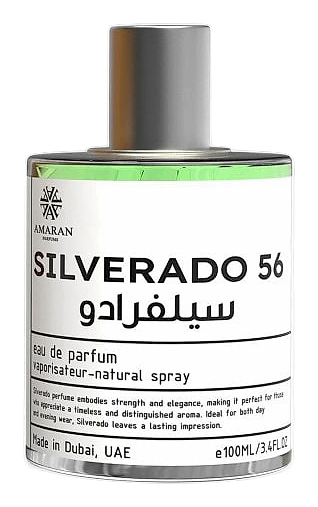
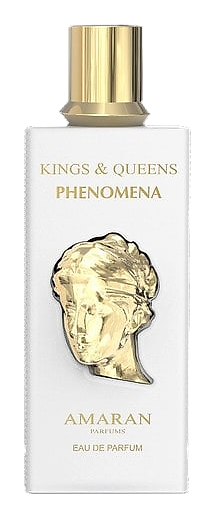
    Visually, Amaran leans toward a minimalist yet tactile language. Bottles feature a square silhouette with rounded edges, echoing the geometric patterns found in traditional Arabic architecture. The glass is often brushed matte, allowing the fragrance’s color to emerge subtly through the cap. Caps are crafted from brushed aluminum or crystal, depending on the line, and are engraved with the scent’s name in Arabic calligraphy, adding a cultural touchpoint. Labels avoid heavy branding; instead, they display a thin gold foil line that separates the brand name from the scent title, creating a clean hierarchy. The brand’s visual campaigns favor natural light and desert landscapes, positioning the perfume against dunes, palms or historic forts. Packaging boxes use recycled kraft paper, printed with a single ink that mirrors the bottle’s accent color, reinforcing the house’s sustainability ethos. In retail settings, Amaran creates scent stations that combine soft ambient lighting with tactile samples, encouraging visitors to linger and explore each note in a calm environment.

    Philosophy

    Amaran’s creative vision rests on the idea that fragrance should act as a bridge between memory and place. The brand states that every bottle invites the wearer to travel, whether to a desert night or a bustling souk. This philosophy translates into a value system that prizes authenticity, sustainability and craftsmanship. Amaran sources raw materials from growers who practice organic or low‑impact farming, and it documents each batch to ensure traceability. The house avoids mass‑production shortcuts, preferring small‑scale distillation that preserves the nuance of each note. Transparency guides its communication: ingredient lists appear on the website, and the brand publishes brief notes on the inspiration behind each scent. Community engagement also matters; Amaran hosts quarterly scent‑pairing workshops in Dubai, allowing participants to learn about accords and the cultural stories that inform them. By treating perfume as a dialogue rather than a product, the house seeks to foster a deeper appreciation for olfactory art among both collectors and casual users.

    Key Milestones

    2020

    Amaran releases its inaugural fragrance, establishing a foothold in the UAE niche market.

    2021

    Kings & Queens Excellence debuts, marking the brand’s first foray into oud‑centric compositions.

    2023

    Collaboration with Dubai Design Week introduces a limited edition line inspired by the city’s skyline.

    2024

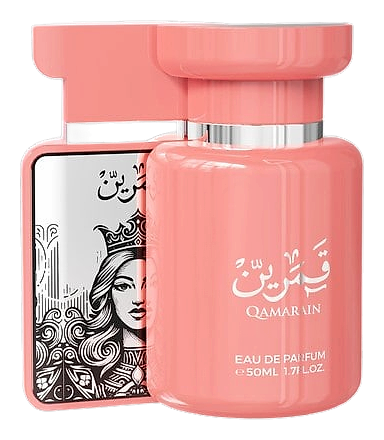
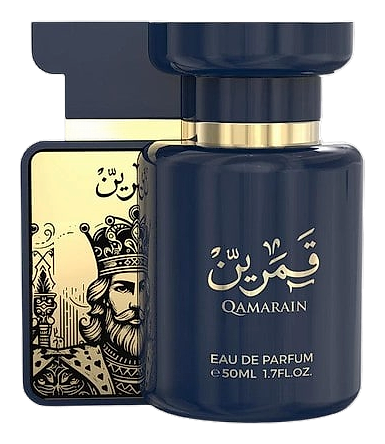
    Qamarain launch event held at Mina Seyahi, featuring a multi‑sensory presentation of the new scent.

    2025

    Rapid expansion adds eight new fragrances, including Taraf Bleu, Funoon Amaze and Silverado 83.

    At a Glance

    Brand profile snapshot

    Origin

    United Arab Emirates

    Founded

    2020

    Heritage

    6

    Years active

    Collection

    1

    Fragrances released

    Avg Rating

    4.7

    Community sentiment

    Release Rhythm

    2025
    20
    2024
    4
    2023
    4
    2021
    4
    2020
    1
    amaranperfumes.com

    Did You Know?

    Interesting Facts

    Distinctive details and defining moments that shape the house personality.

    01

    Amaran’s atelier in Al Quoz doubles as a small museum, displaying vintage perfume bottles from the Middle East.

    02

    The brand’s Gelato Viva La Vanilla uses a rare Tahitian vanilla bean that is harvested by hand and cured for 12 months.

    03

    Each bottle’s crystal stopper is hand‑cut by artisans in Sharjah, a craft that takes up to two hours per piece.

    04

    Amaran conducts an annual scent‑mapping expedition to the Hajar Mountains, gathering wild herbs that occasionally appear in limited releases.