The Story
Why it exists.
The beginning
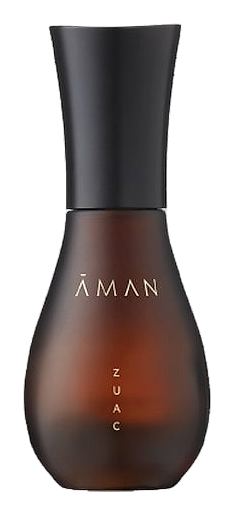
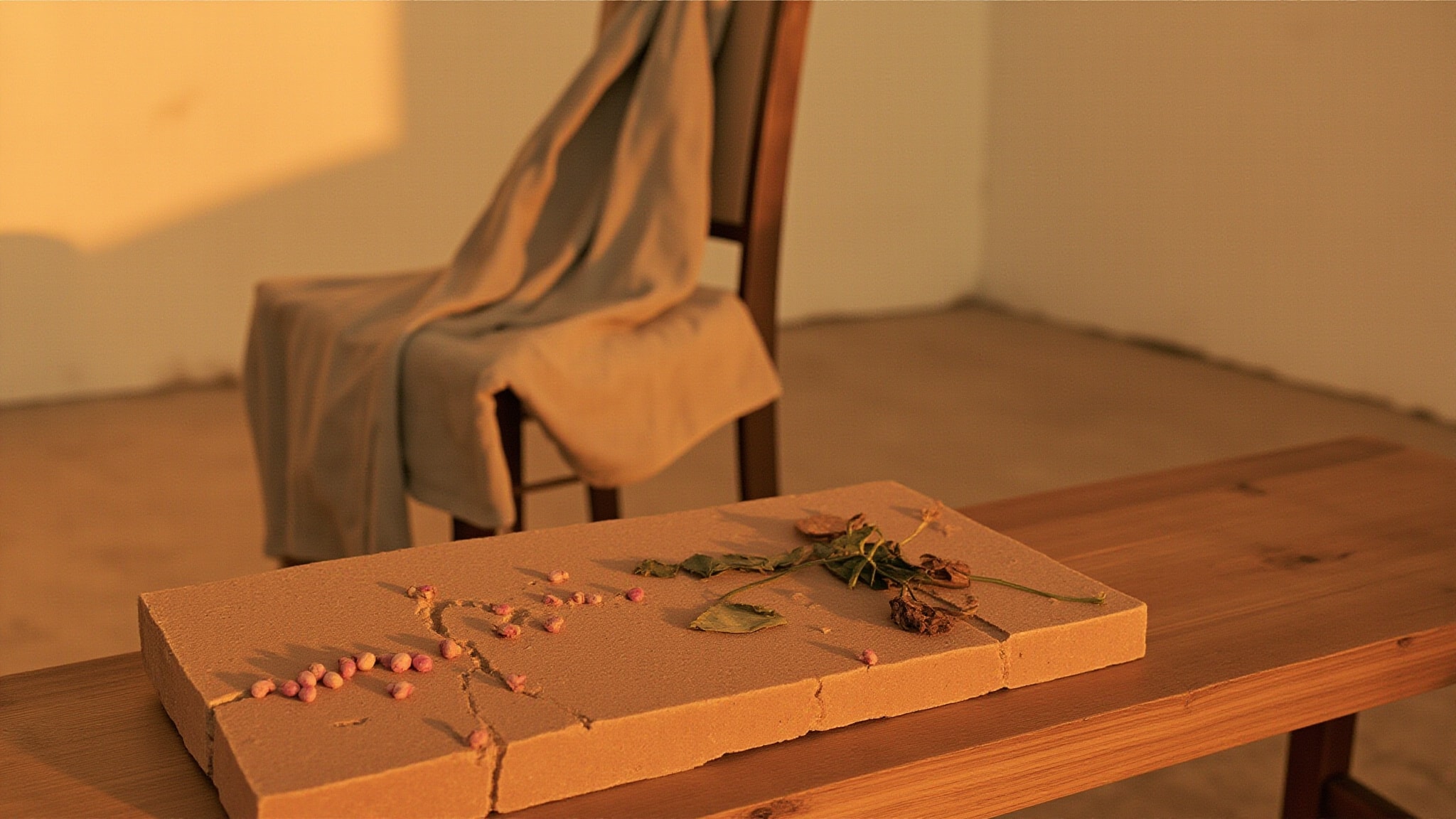
Zuac draws its breath from Marrakech, the Red City. The scent draws from a destination tradition, translating a specific place into wearable form rather than working from abstract composition alone. The Marrakech reference comes through clearly in the material choices, ochre-toned spices, resins with centuries of ritual use behind them, the particular warmth of citrus peel left baking under North African sun. Sun-warmed architecture, spice markets trailing scent through narrow alleys, the resin smoke that hangs in old medina doorways. The Red City carries a distinct atmospheric weight, and the composition attempts to capture some of that without defaulting to the obvious Moroccan gourmand route, no sweet dates, no overworked rose confection, none of the dessert-coded shortcuts.
What stands out immediately is the saffron here. Rather than letting saffron lead toward the sweet, almost confectionary register where it often ends up, the composition uses it with bay leaf and clove in a tighter, drier arrangement. Bay leaf brings an herbal, almost medicinal edge, something between eucalyptus and crushed herbs, that keeps the whole spice structure dry and architectural rather than plush. The frankincense in the base carries real weight too, working as a binding element that gives the composition its resinous undertone rather than reading as a standalone incense note.
The evolution
The first ten minutes are all pink pepper and tangerine, bright and almost edible, the citrus doing surprising structural work before it bows out. That opening has a raw, almost peppery heat that wakes the skin up, the pink pepper landing first with a sizzling quality that feels immediate and sharp. Around the twenty-minute mark the saffron and clove arrive together, and the composition shifts from bright to deep-warm, the saffron's golden warmth settling in slowly while clove adds a spiced depth beneath it. The bay leaf surfaces in the middle, adding a green herbal quality that keeps the spice from becoming monolithic, a dry edge that prevents the heart from collapsing into sweetness. By the two-hour mark the frankincense takes the lead, and the patchouli underneath becomes more prominent, earthy and slightly damp, bringing a grounded warmth to the composition.
Cultural impact
Zuac occupies a specific register in destination fragrance, less literal than a postcard, more atmospheric than a souvenir. It reads as an interpretation of place rather than a depiction, working through mood and material suggestion rather than overt geographic signposting. The saffron and incense core gives it a spiced warmth that feels grounded in North African olfactory tradition without defaulting to the sweeter, more confectionary routes that category often takes. The bay leaf and pink pepper contribute a dryness and a lifted spiciness that keep the composition feeling current rather than nostalgic, more architectural than plush.
The House
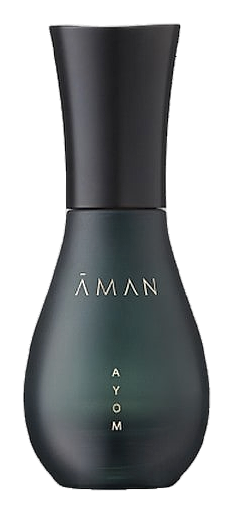
AmanAman is a luxury hotel and resorts group that expanded into fine perfumery with the launch of its Fine Fragrance collection. Each scent in the line draws direct inspiration from a specific Aman destination, translating the sensory atmosphere of a place into wearable form. The collection debuted in 2021 with eight initial expressions, with new releases following through 2025. Aman Fine Fragrance represents the hospitality brand's move beyond physical spaces into a portable luxury experience, allowing fragrance wearers to carry the essence of an Aman property wherever they go.
The Creator
Jacques ChabertJacques favors a structured, layered approach that begins with a clear top‑note theme, often built around citrus or aromatic herbs. He then weaves in heart ingredients such as jasmine, rose or spice, before anchoring the composition with deep bases of amber, leather or woody r…