The Story
Why it exists.
The beginning
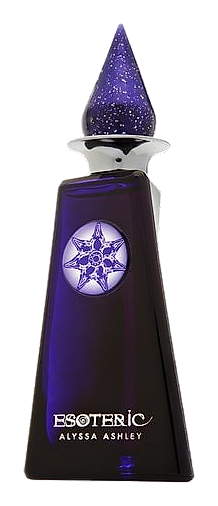
Esoteric arrived in 2007, and the name itself sets the tone. It comes from the ancient Greek esoterikos, meaning reserved for the few, the initiated, those who understand what most overlook. That ambition shows up in the bottle: an indigo pyramid of glass that catches fire glares when light hits it, capped with something resembling a burnished wizard's hat. The brand positioned Esoteric as more than a floral oriental. They called it a magical potion, a bewitching allure designed to capture the mystery hiding in every woman. The composition blends treasured flowers with precious oriental woods, fused with delicate oriental notes and a musk accord that anchors the whole construction.
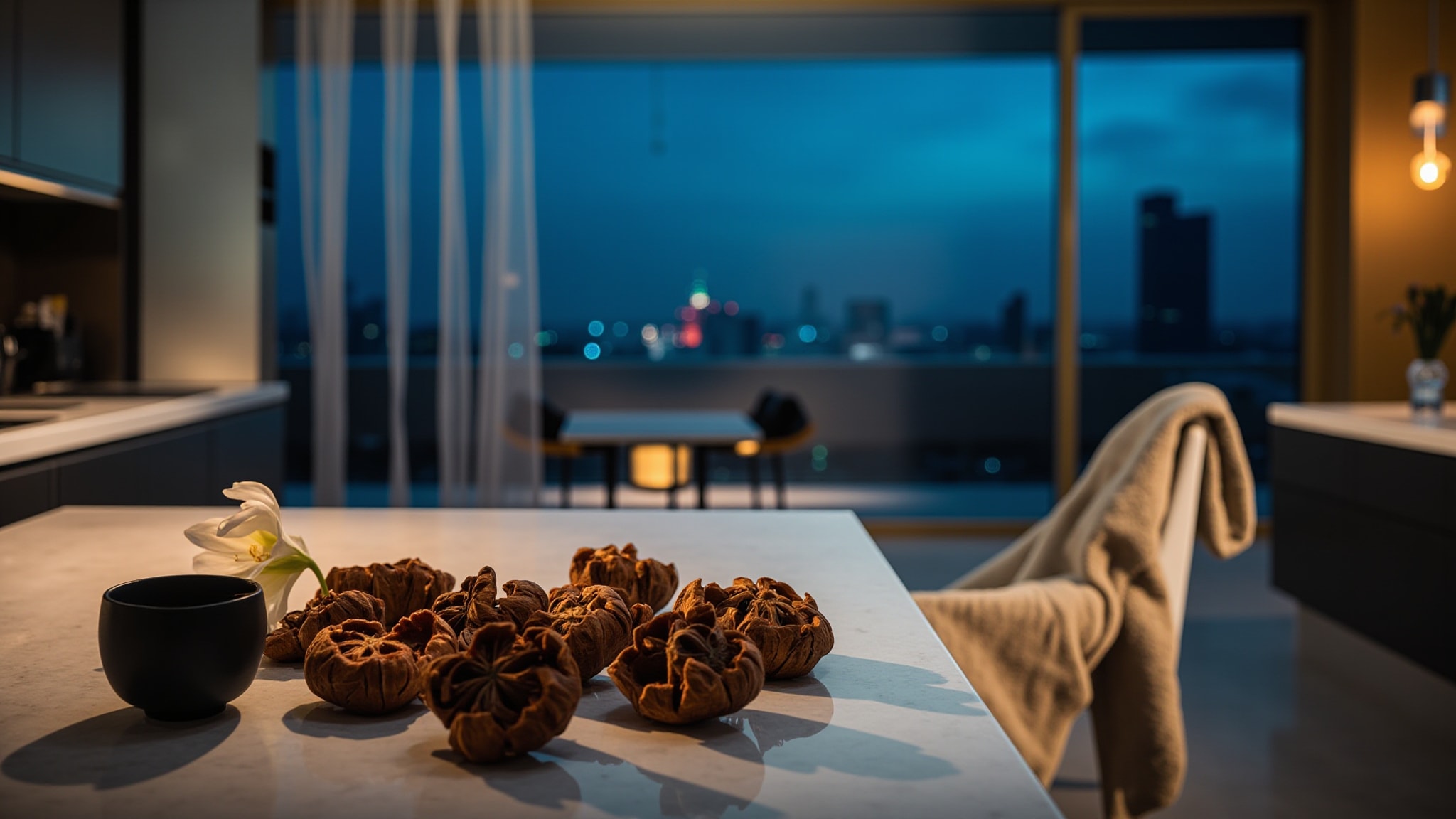
What makes Esoteric interesting is the anise. Star anise does something unusual here, sitting at the top with citruses but reading more like a shimmer than a sharp note. It cools the opening without diluting it, adding a metallic-sweet flicker that prevents the jasmine and orange blossom from sliding into full sweetness. The cashmere wood in the heart is unusual for a brand built on musk, and it works because the musk base swallows any sharpness the wood might bring.
The evolution
On skin, Esoteric opens with a bright, almost medicinal flash of anise and citrus. It reads cold at first, like the air after lightning, then warms quickly as jasmine and orange blossom step forward. The heart is where the fragrance earns its name. Jasmine lands soft and indolic without going thick, layered over a cashmere wood accord that feels more like fabric than wood, like cashmere pulled against bare skin. African orange flower sits alongside, bringing the slight waxy sweetness that makes neroli-adjacent notes feel alive. The transition comes as the florals begin to settle and the base materials push forward, and during that handoff the anise resurfaces once before fully retreating. The drydown is musk with ambergris underneath, and vetiver at the floor.
Cultural impact
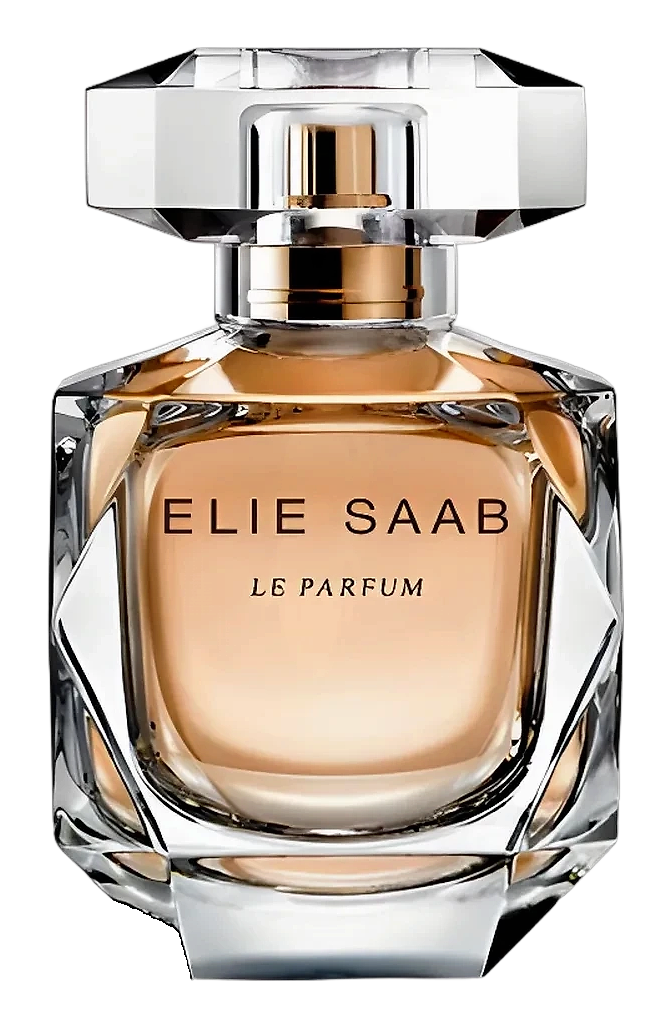
Esoteric sits in a category crowded with white floral-musky compositions, and the sources list Mugler's Alien and Elie Saab's Le Parfum as algorithmic points of similarity. What separates it is the anise opening, which gives the fragrance a brief cold edge most of its peers skip entirely. The house's musk heritage shows in the drydown more than the opening. The anise cools the white florals into something almost metallic before they settle, and that contrast, cold top into warm floral into deep musk, gives Esoteric a structure that feels intentional rather than accidental.