
    Brand Profile

    Alyssa Ashley is a fragrance line that emerged in the late 1960s as a subsidiary of a historic French perfume house. Known for its musk‑cent…More

    United States·Est. 1968·Site

    3

    Fragrances

    4.2

    Rating

    39
    Musk Extreme by Alyssa Ashley – Eau de Parfum
    4.3

    Musk Extreme

    Eau de Parfum

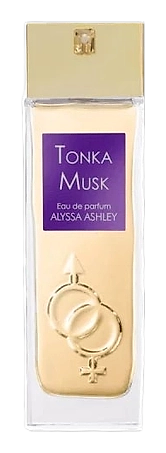
    Tonka Musk by Alyssa Ashley – Eau de Parfum
    4.3

    Tonka Musk

    Eau de Parfum

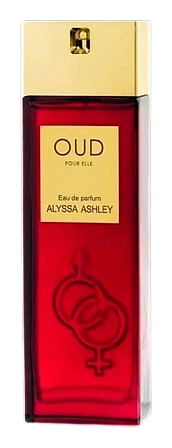
    Oud Pour Elle by Alyssa Ashley
    3.9

    Oud Pour Elle

    White Musk Perfume Oil by Alyssa Ashley
    Best Seller
    4.6

    White Musk Perfume Oil

    Wildflower by Alyssa Ashley
    Best Seller
    4.5

    Wildflower

    En Fleur by Alyssa Ashley
    Best Seller
    4.5

    En Fleur

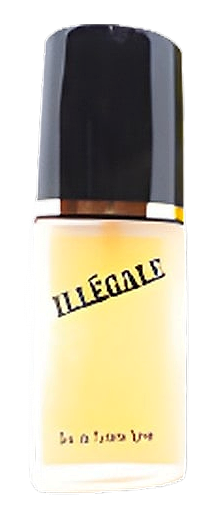
    Illégale by Alyssa Ashley
    4.4

    Illégale

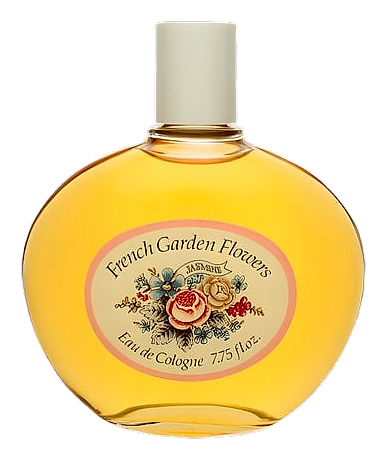
    French Garden Flowers Jasmine by Alyssa Ashley
    4.4

    French Garden Flowers Jasmine

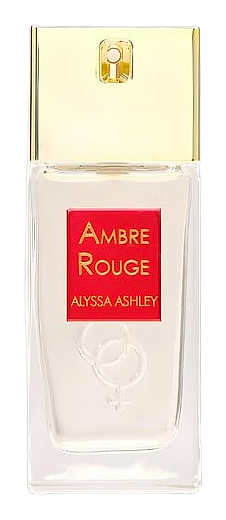
    Ambre Rouge by Alyssa Ashley
    4.2

    Ambre Rouge

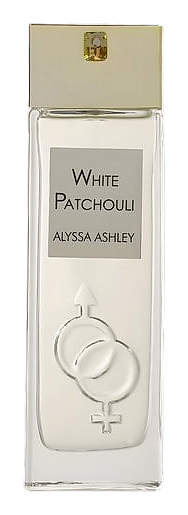
    White Patchouli by Alyssa Ashley
    4.1

    White Patchouli

    Musk Perfume Oil by Alyssa Ashley
    4.1

    Musk Perfume Oil

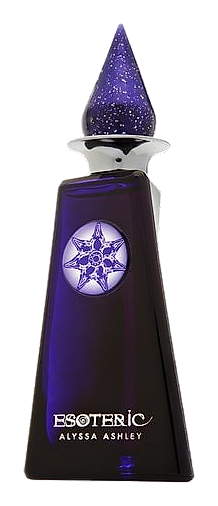
    Esoteric by Alyssa Ashley
    4.1

    Esoteric

    1 of 4

    The Heritage

    The Story of Alyssa Ashley

    Alyssa Ashley is a fragrance line that emerged in the late 1960s as a subsidiary of a historic French perfume house. Known for its musk‑centric scents, the brand offers a catalogue that spans more than five decades, from the iconic Musk Eau de Toilette (1968) to recent releases such as Ambre Rouge (2024). Its products are positioned as approachable yet crafted with a level of detail that appeals to collectors and everyday wearers alike. The brand maintains a modest online presence, with a dedicated U.S. storefront and a social media following that reflects a niche community of fragrance enthusiasts.

    Heritage

    The origins of Alyssa Ashley trace back to the late 1960s, when a division of the French perfume house Houbigant launched a line aimed at the emerging American market. The first notable launch was the Musk Eau de Toilette in 1968, a scent that quickly became a reference point for synthetic musk formulations. By 1969 the brand had expanded its catalogue with a broader range of floral and oriental compositions, establishing a foothold in department stores across the United States. In the early 1980s, the line benefited from a surge of interest in musk after a personal anecdote recorded by a fragrance writer highlighted the scent’s impact on a young consumer in 1981. The 1989 release of Illégale marked the brand’s first foray into more daring, avant‑garde territory, blending unconventional accords while still retaining the signature musk base. Throughout the 1990s and 2000s, Alyssa Ashley continued to introduce seasonal and limited editions, often referencing classic perfume structures but with a modern twist. The 2022 introduction of White Patchouli and the 2024 launch of Ambre Rouge illustrate the brand’s ongoing commitment to refreshing its portfolio while honoring its heritage. Over more than five decades, Alyssa Ashley has navigated shifts in consumer taste, regulatory changes around synthetic ingredients, and the rise of niche perfumery, maintaining a consistent presence in the market without overt reliance on high‑profile marketing campaigns.

    Craftsmanship

    Production at Alyssa Ashley follows a traditional French atelier model, with formulations developed in partnership with external perfumers and then manufactured in facilities that meet EU and US regulatory standards. The 1968 Musk Eau de Toilette, for example, combined over one hundred individual ingredients—a blend of synthetic musks, aldehydes, and supporting aromatics—creating a scent that was praised for its longevity and projection. Later releases such as White Patchouli (2022) incorporated sustainably harvested patchouli oil, blended with a synthetic base to achieve a consistent scent profile. Quality control involves batch testing for both olfactory consistency and compliance with safety guidelines, a practice documented in industry reviews of the brand. Ingredient sourcing emphasizes traceability; natural extracts are procured from certified growers, while synthetics are selected from suppliers with documented environmental certifications. The brand’s packaging process includes hand‑finishing of glass bottles, a step that adds a tactile element to the final product. Throughout its history, Alyssa Ashley has adapted to evolving regulations on synthetic musks, reformulating older scents to meet modern standards while preserving the original character that made them popular.

    Design Language

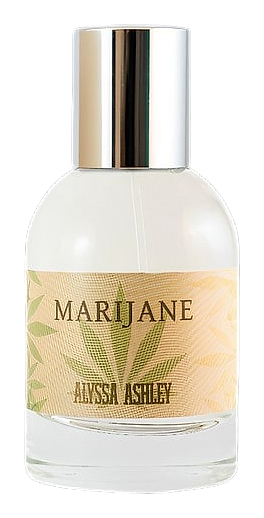
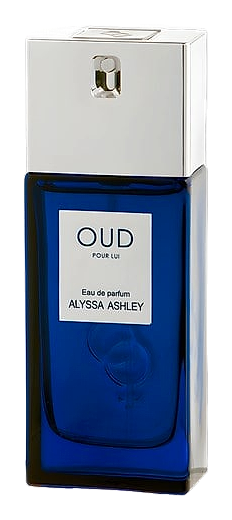
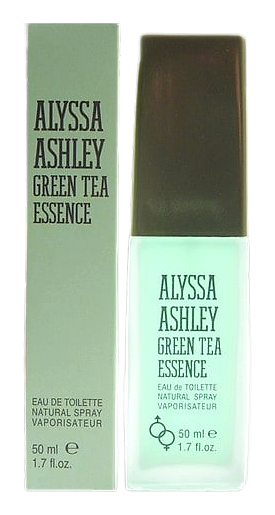
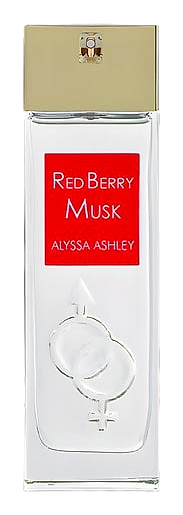
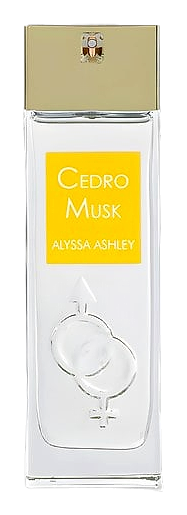
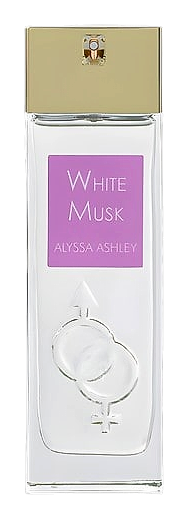
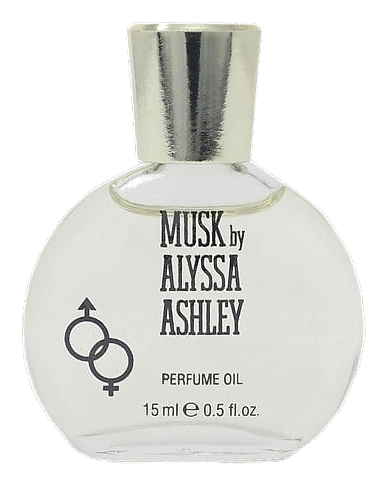
    Visually, Alyssa Ashley favors a minimalist design language that highlights the perfume’s name and a subtle color cue related to the scent’s key note. Early bottles from the 1960s featured clear glass with simple black lettering, a look that has been refined rather than replaced in later editions. The 2024 Ambre Rouge, for instance, arrives in a deep amber‑tinted bottle capped with a brushed metal top, echoing the warm amber accord inside. Labels are typically printed on matte paper, avoiding glossy finishes that could distract from the scent’s identity. The brand’s marketing imagery often showcases the fragrance in natural settings—fields of wildflowers, muted studio backdrops—reinforcing the idea that the perfume is meant to accompany everyday life. Social media posts, such as those on Instagram where the brand maintains a following of over 60,000 users, present the bottles alongside lifestyle shots that emphasize simplicity and approachability. This visual consistency helps the brand maintain a recognizable presence across retail shelves and online platforms.

    Philosophy

    Alyssa Ashley’s creative outlook centers on the idea that fragrance should be both accessible and memorable. The brand emphasizes a balance between classic olfactory families and contemporary reinterpretations, allowing familiar notes such as musk, amber, and patchouli to appear in new contexts. Its statements, drawn from public interviews and the brand’s own communications, suggest a respect for the technical craft of perfumery, favoring formulations that can be reproduced reliably across batches. Sustainability is addressed through selective sourcing of natural ingredients where possible, while synthetic components are chosen for their stability and reduced environmental impact. The line’s ethos also reflects a desire to provide a sensory experience that resonates with everyday moments, positioning each scent as a companion to personal narratives rather than a status symbol. This philosophy is reinforced by the brand’s modest pricing strategy, which aims to democratize access to well‑crafted fragrances without compromising on quality.

    Key Milestones

    1968

    Launch of Alyssa Ashley Musk Eau de Toilette, establishing the brand’s reputation for synthetic musk fragrances.

    1969

    First broader catalogue released, expanding beyond musk to include floral and oriental scents.

    1989

    Introduction of Illégale, a more experimental fragrance that pushed the brand’s creative boundaries.

    2022

    Release of White Patchouli, marking a renewed focus on natural ingredient integration.

    2024

    Launch of Ambre Rouge, the latest addition that blends amber notes with contemporary composition techniques.

    At a Glance

    Brand profile snapshot

    Origin

    United States

    Founded

    1968

    Heritage

    58

    Years active

    Collection

    3

    Fragrances released

    Avg Rating

    4.2

    Community sentiment

    Release Rhythm

    2024
    2
    2023
    1
    2022
    4
    2020
    3
    2018
    2
    2017
    1
    2015
    2
    2012
    3
    us.alyssaashley.com

    Did You Know?

    Interesting Facts

    Distinctive details and defining moments that shape the house personality.

    01

    The original 1968 Musk formula reportedly blended over one hundred individual ingredients, a complexity uncommon for mass‑market scents of the era.

    02

    Alyssa Ashley was created as a U.S. division of Houbigant, the only perfume house continuously operating since 1775.

    03

    The brand’s Instagram account, @alyssaashley_official, has amassed more than 60,000 followers, indicating a strong niche community despite limited mainstream advertising.

    04

    Musk Eau de Toilette is frequently cited in fragrance literature as a benchmark that revived consumer interest in synthetic musk during the late 1960s.

    The Artisans

    The Perfumers