The Story
Why it exists.
The beginning
Poem of Damas was born from a desire to translate something essential about the city itself. The fragrance is built around tension: traditional elements meeting contemporary sensibility. Oud and amber open the composition like a doorway into an old city, then the heart opens into something warmer and more generous. Oriental notes in the base give it depth that rewards patience. The balance between richness and restraint captures something true to the spirit of the place, honoring its complexity without overwhelming the senses.
What makes the note structure interesting is how it refuses to choose between restraint and abundance. The oud arrives first, but warm and resinous. Amber amplifies immediately, adding golden warmth. Then the heart arrives: fruit and florals interweaving in a way that feels lush without being delicate. Oriental notes in the base add something deep, connecting the fragrance to the city's character. The structure moves from the first impression to an intimate middle ground to something that lingers close.
The evolution
The opening announces oud and amber, the oud resinous and warm, the amber adding a golden sweetness. This phase holds, never rushing. Then the heart arrives: florals and fruits interweaving, creating a sweetness that feels generous rather than cloying. Oriental notes begin to emerge, and the composition shifts from fruity-floral to something earthier and more grounded. The drydown belongs entirely to the oriental base, warm, resinous, slightly sweet, with oud lingering in the background like a memory. The oud that was present in the opening often continues through the final hours, a gentle reminder of the fragrance's complexity. Projection starts strong, the kind of presence that announces without announcing, then settles into something closer and more personal after the first couple of hours.
Cultural impact
Poem of Damas offers a distinctive take on the oud-floral-fruity combination. The fragrance's warmth and density make it stand out, with a balance that appeals to those seeking something rich and layered. The combination of deep oud with brighter fruity and floral elements creates something that feels both classic and contemporary. The oud provides focus while the sweetness offers contrast, making for a fragrance that holds attention without demanding it.
The House
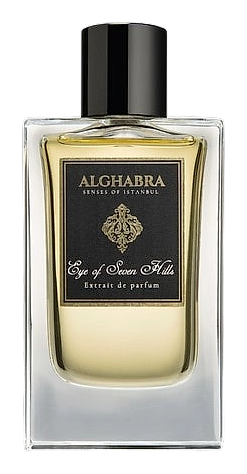
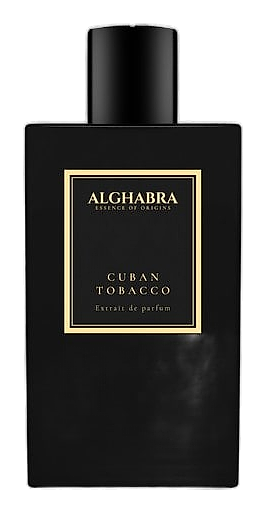
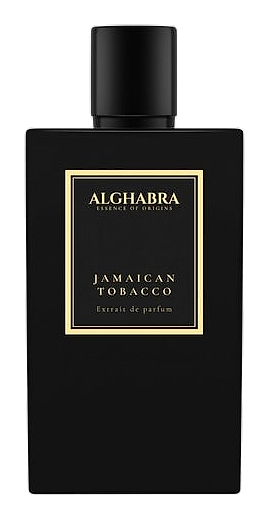
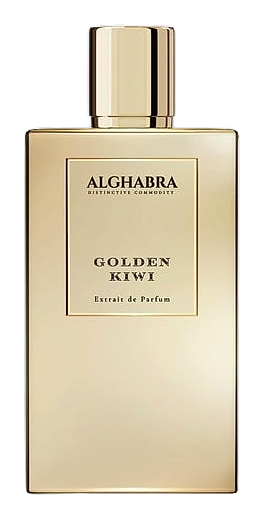
Alghabra ParfumsAlghabra Parfums is an independent niche fragrance house founded in 1973 in Old Damascus, one of the continuously inhabited cities on Earth. The brand emerged under Mohammed Khair Alghabra, who established the house in the historic heart of the Syrian capital before eventually relocating operations to Istanbul. Alghabra Parfums crafts perfumes organized into five distinct collections, including the A Tribute to Art series. The house maintains a collection of notable releases spanning several decades, with fragrances such as Eye of Seven Hills (2019), Bosphorus Pearl (2019), Ottoman Treasure (2019), King of Flowers (2018), Rejoice (2023), Cuban Tobacco (2023), Sweet Reflection (2023), Jamaican Tobacco (2024), Blonde Bamboo (2025), and Golden Kiwi (2025). The brand operates independently, offering fragrance enthusiasts an Eastern heritage perspective on niche perfumery through a combination of Middle Eastern and international influences developed over more than five decades.
The Creator
Jorge LeeBased on Hacivat, Jorge Lee seems to favor a style that's both modern and grounded in classic perfumery techniques. He appears to appreciate the impact of well-blended accords and isn't afraid to use powerful ingredients to achieve his desired effect.