The Story
Why it exists.
The beginning
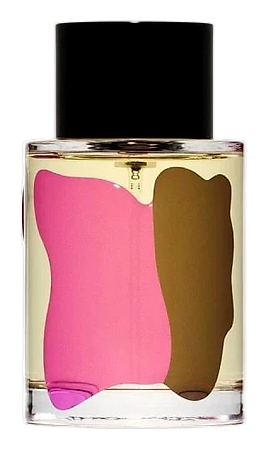
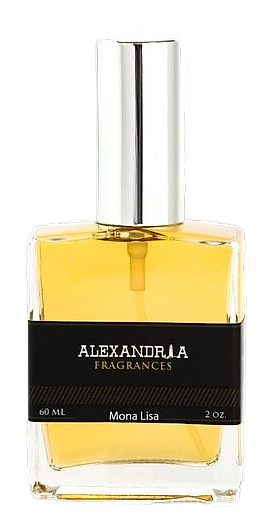
Monaliza takes its name and ambition from one of perfumery's most discussed compositions. The 2017 release from Alexandria Fragrances, created by Hany Hafez, names its inspiration directly: Frederic Malle's landmark "Portrait of a Lady" from 2010. The brand copy doesn't hide behind vague allusion, it invokes La Giaconda, the Italian name for the Mona Lisa, and with it, centuries of art-historical conversation about what it means to be watched watching. The question embedded in the name is whether the wearer becomes the viewer or the viewed. What follows is an attempt to answer it through smell. The original by Dominique Ropion built a fortress around a single rose, amplifying it with berries, spices, incense, and patchouli until it became something monolithic and extraordinary. Hafez took the same essential vocabulary, Turkish rose, dark patchouli, incense, warm spice, and asked a different question: what if the fortress had more windows?
The spicy-fruity opening establishes Monaliza's identity immediately. Five aromatic materials arrive in quick succession: Turkish rose, blackcurrant, cloves, cinnamon, and raspberry. Each contributes a different dimension of warmth, floral sweetness from the rose, tart depth from blackcurrant, medicinal-euphoric spice from clove, sweet heat from cinnamon, and a jammy-fruity lift from raspberry. Together they create an opening that announces itself without apologizing for the noise. The base is where Hafez distinguishes his work from the source material. Ambroxan adds marine-mineral depth that stretches wear time and gives the drydown an almost ozonic quality.
The evolution
The opening is immediate and bright. Blackcurrant and raspberry arrive in quick succession, their tart-fruity character hitting before the Turkish rose can establish full dominance. Within minutes, the rose asserts itself, but it doesn't obliterate what came before. Instead, it layers over the berries, creating a tart-rose tension that reads as both sweet and sharp. The heart belongs to incense and patchouli. The clove and cinnamon warm the space without ever tipping into medicinal territory, cardamom would have sharpened it further; the choice of clove keeps it softer, more diffuse. Sandalwood arrives midway through, adding creaminess that smooths the transition. The drydown is where Monaliza earns its keep. Ambroxan adds mineral depth that stretches wear time well beyond what a standard oriental would manage. Benzoin brings resinous warmth. White musk clears the composition to something intimate and close. The trail is warm without being heavy, present to someone standing beside you, invisible to someone across the table.
Cultural impact
Monaliza occupies a specific position in the landscape of contemporary oriental-florals. Referenced as an accessible interpretation of Frederic Malle's "Portrait of a Lady," it offers the same essential vocabulary, Turkish rose, dark patchouli, incense, warm spice, to those drawn to that reference point but not ready for its price bracket. The spicy-fruity warmth, smoky incense, and mineral drydown make it a reliable entry point for that aesthetic. Community reception has been notably positive, with wearers particularly appreciating the longevity, the warmth of the drydown, and the unconventional complexity that incense brings. The moderate sillage keeps it versatile across settings.