The Story
Why it exists.
The beginning
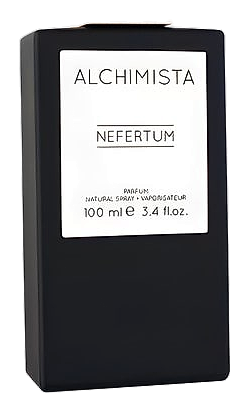
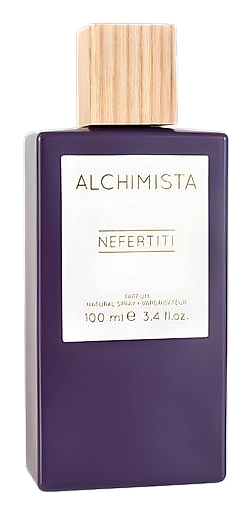
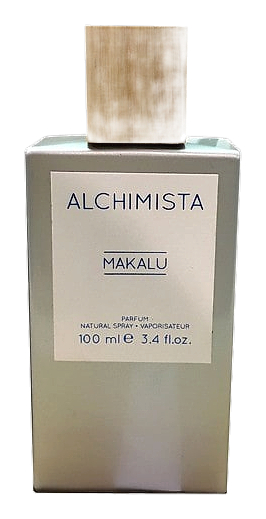
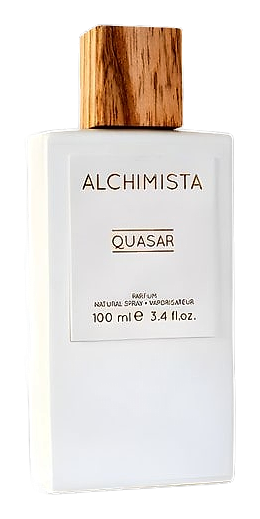
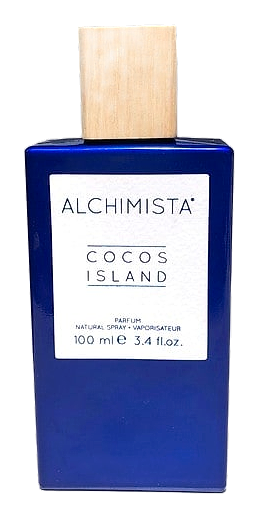
Cocos Island belongs to Alchimista's catalog of place-named fragrances, a house that draws on specific references for its naming conventions. Rather than abstract concepts, the brand names its releases after particular places, people, and ideas: Enapay, Makalu, Nefertiti, Quasar, and now Cocos Island. The name carries its own weight, and whether you read it as a remote shore, a tropical outpost, or simply a word with rhythm, the fragrance uses that ambiguity as a launchpad. What's interesting is what Alchimista chose to do with a name so loaded with association: instead of leaning into obvious sweetness or tiki-bar sunshine, the composition pulls the idea of coconut toward something stranger, something that lives in shadow as much as it lives in sun.
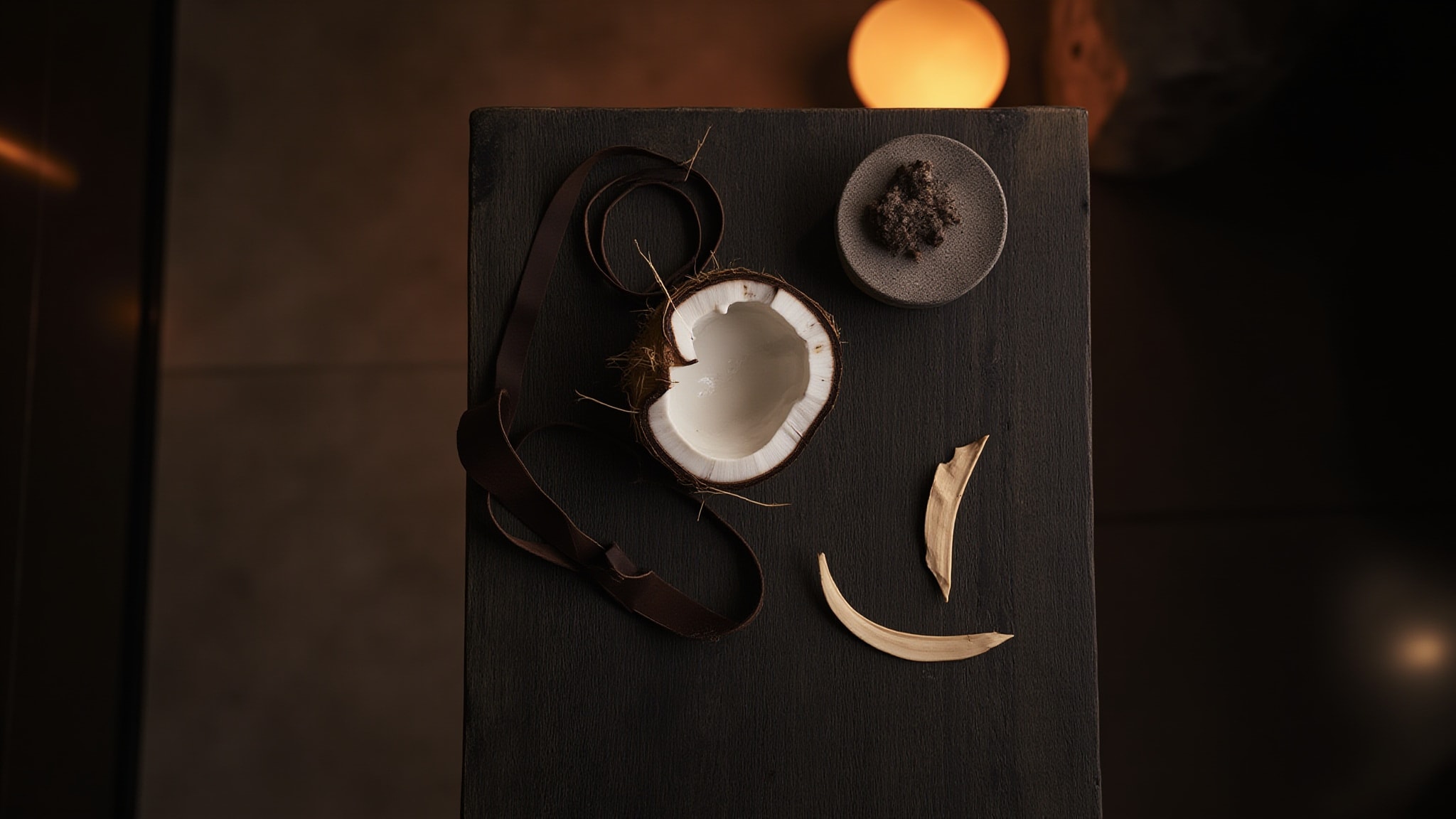
What's unusual here is the collision of materials. Coconut and oud rarely share the same sentence. One reads sunscreen, the other reads incense shop. Birch tar pulls both into darker territory, lending a smoky leather quality to the blend. Labdanum and guaiac wood add the sticky, almost animalic warmth underneath, which means the coconut never gets to behave like a beach note. It gets pulled into something heavier by the gravity of the resins and woods around it.
The evolution
The first fifteen minutes belong entirely to coconut and oud, and the tension between them is immediate. One is creamy and faintly sweet, the other resinous and dense. Petitgrain pushes the opening toward something green and slightly bitter, like crushed leaves between fingers, which keeps the sweetness from settling too comfortably. Around the twenty-minute mark, the birch takes over. There's a campfire quality, a tar-like darkness that coats everything, and the coconut shifts from fresh to roasted. By the first hour, cedar and labdanum have built the architecture underneath, and the fragrance feels less like two notes arguing and more like one settled thing: warm, smoky, faintly sweet, with a leather edge that keeps it from going soft.
Cultural impact
Cocos Island sits within the conversation around niche woody orientals that lean on darker materials to complicate sweeter openings. The use of birch tar alongside coconut puts it in dialogue with other compositions that treat the tropical register as something to subvert rather than celebrate. Within the fragrance community, the seasonal vote data shows summer and spring receiving the most mentions, suggesting wearers associate it with warmer weather, though the heavier materials mean it doesn't read as strictly a hot-weather scent.