The Story
Why it exists.
The beginning
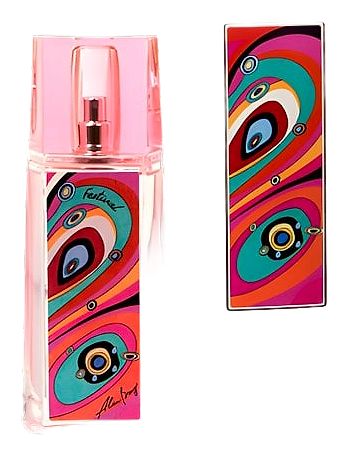
Festival is a fragrance from the Alan Bray house, with sources noting the earliest edition in the catalog dates to 2003. The nose behind this fragrance is Alan Bray, and the composition reaches for something that captures a specific kind of warmth. Not the smoky, resinous kind. The sun-on-skin, sticky-fingers, fresh-cut-fruit kind. The starfruit in the opening is the clearest signal. It's a note that rarely leads a composition, and choosing it as the headline ingredient says something about what the house wanted this to feel like: tropical, but not heavy. Sweet, but with a floral spine. The kind of scent that belongs to a Saturday afternoon more than a Tuesday meeting. What makes this opening read as confident rather than scattered is the restraint with which the ingredient is handled.
What's genuinely interesting about Festival is how little it tries to do. The note pyramid is small. Starfruit up top, candied apple and jasmine in the middle, musk underneath. There's an economy to the structure that gives each ingredient room to register on its own terms, and the candied apple instead of a plain apple is the one choice that does heavy lifting. It reads simultaneously as fruit and as confection, which means the heart of the fragrance is already performing two jobs at once.
The evolution
The first fifteen minutes are all about that starfruit. It's juicy and slightly tart, with that distinctive ridged-fruit sharpness that makes it feel tropical without resorting to coconut or pineapple clichés. The note arrives with a clarity that almost feels editorial, as though the opening wanted to make a statement about what this fragrance is and isn't. Then something shifts. The candied apple arrives and suddenly the scent has a sugar shell around it. It's not a clean transition. The two fruits sit side by side for a while, the starfruit lending brightness while the apple brings weight and sweetness. You get a dialogue between them, a back and forth where neither fully wins, and that tension is part of what keeps the opening engaging past the first half hour. Jasmine blooms underneath, not loudly, but enough to cut through the sugar and remind you this is a floral fragrance first.
Cultural impact
Festival has shifted into a different kind of status. The production appears to have been discontinued, which has moved it from an available release to something harder to find. Collectors and enthusiasts who come across it tend to be drawn to its unapologetic sweetness. It is neither trying to be a gourmand nor a modern musk, and the candied apple and starfruit combination remains unusual enough to make Festival register as distinctive on its own terms. The fragrance belongs to a particular moment in perfumery when sweetness could still carry a composition without needing layers of complexity to justify itself.
The House
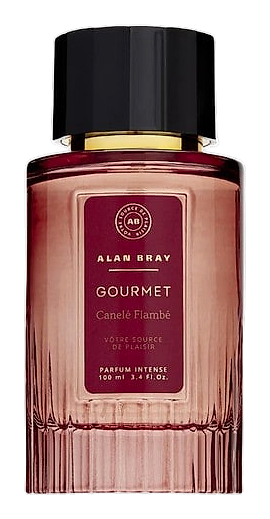
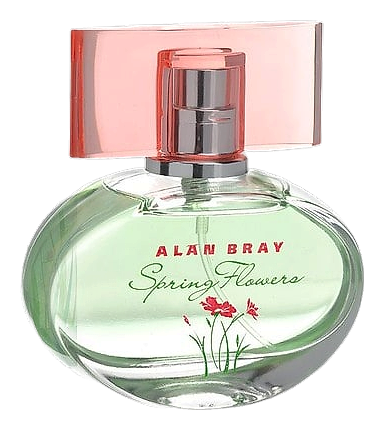
Alan BrayAlan Bray is a niche perfume house that builds a catalogue of more than ninety scents since the early 2000s. The brand releases fragrances that often pair unexpected ingredients, such as cherry and almond in its Canelé Flambé (2024) or the bright floral accord of Spring Flowers (2013). Each launch arrives with a distinct personality, inviting collectors to explore a spectrum that ranges from the masculine L'Homme Noble (2025) to the daring High Society L'Imperatrice (2024). The label operates out of Paris and reaches a global audience through specialty retailers and online platforms.
The Creator
Alan BrayBray’s signature technique rests on a single, bold accord that dominates the composition. In Cherry Almond he pairs bright, fermented cherry with warm, nutty almond oil, letting the two notes intertwine for twelve hours without fading.