The Story
Why it exists.
The beginning
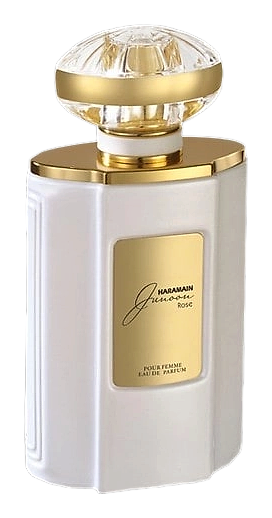
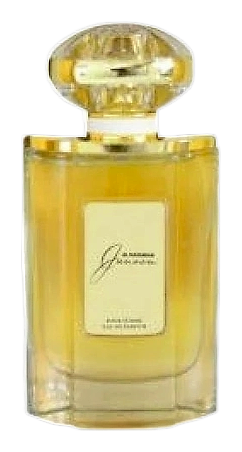
Francisco Carbonnel designed Jannah with a clear intention: take the house's oriental heritage and tilt it toward something unexpected. The name itself, Jannah, meaning paradise in Arabic, carries weight. It suggests the sacred geography that Al Haramain has always drawn from, but the interpretation is personal. Not a palace, not incense filling a mosque. A garden. Something green and growing, with real texture underfoot. The perfumer understood that paradise could begin with freshness before it deepens into devotion. This is the fragrance that bridges those two ideas.
What makes the composition unusual is the structural choice: starting aromatic and green before arriving at oriental warmth. Most fragrances in this house lead with resins and woods. Jannah flips the script. The fresh opening, hay, mint, wormwood, creates a garden atmosphere that feels more European fougere than Arabian oil. Then the florals arrive quietly, rose and geranium adding softness to the herbaceous structure, ylang-ylang threading in its tropical sweetness without overwhelming. The base does what bases do: holds everything together with depth and patience. But even there, the gurjum balsam adds a balsamic quality that stays close to skin rather than projecting outward.
The evolution
The opening hits first, mint, wormwood, the green smell of crushed stems. It's sharp and immediate, almost a shock after the first spray. Within minutes the hay note emerges, adding a warm, dry texture that softens the mint's edge. Then the florals arrive: rose first, quiet and dewy, followed by geranium's herbal green quality. Ylang-ylang adds a layer of sweetness that you might not notice at first, it sneaks in under the other notes rather than announcing itself. The base is where patience pays off. Oud and sandalwood arrive gradually, their woody warmth replacing the florals without erasing them. Gurjum balsam adds a resinous, almost honeyed quality. Musk and patchouli stay close to skin, extending the wear to eight hours or more. On fabric the next day: a faint trace of warm wood and something faintly sweet, like the memory of a garden after the sun sets.
Cultural impact
Jannah occupies an unusual space: a green oriental that appeals to fans of both aromatic and resinous fragrance families. For those drawn to spiritual or Middle Eastern heritage in their scents, it offers an entry point that doesn't require embracing heavy oud from the first spray. The fresh opening makes it accessible; the depth underneath rewards continued wear.
The House
Al Haramain PerfumesAl Haramain Perfumes is a fragrance house rooted in Mecca, Saudi Arabia, with over five decades of experience crafting oriental perfumes. The company traces its origins to 1970, when founder Kazi Abdul Haque, a Bangladeshi businessman, began trading perfumes with shops in Makkah and Madinah before moving into production. Today, the business operates from the UAE under the leadership of Haque's eldest son, Mahtabur Rahman, who serves as Chairman and Managing Director. Al Haramain has built a portfolio that reportedly exceeds 1,000 fragrance variants, spanning pure perfume oils, concentrated sprays, bakhoor, and agarwood products. The brand maintains retail presence across the GCC, Middle East, Asia, and Europe through a network of exclusive stores. Notable releases include Dehnal Oudh Mahabbah from 2012, Red African from 2017, Mukhamria Maliki Silver from 2021, and the Musk Orchid and Musk Floral releases of 2023.
The Creator
Francisco CarbonnelFrancisco Carbonnel's signature techniques reflect a deep engagement with Spanish olfactory traditions, particularly the warm, resinous materials that define that region's contribution to perfumery. He works extensively with oriental bases, though his interpretation leans towa…