
The Story
Why it exists.
The beginning
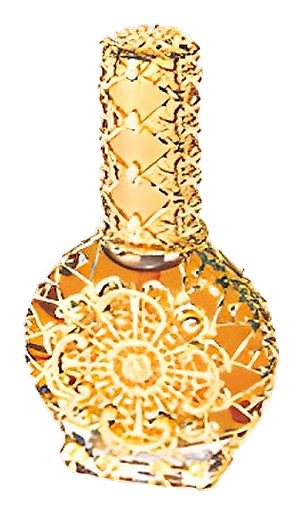
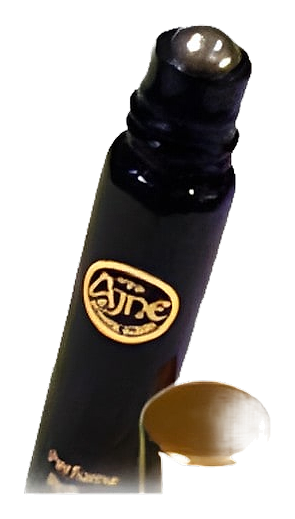
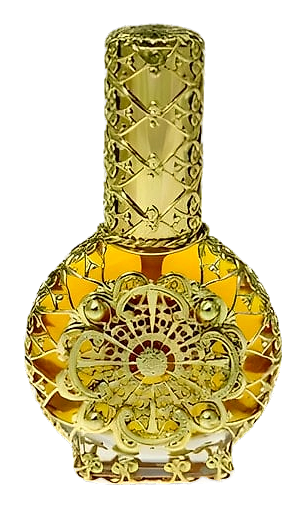
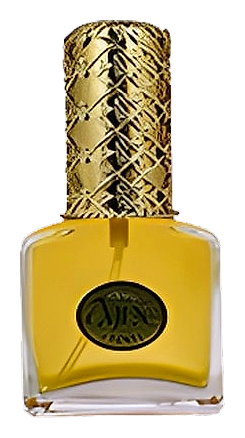
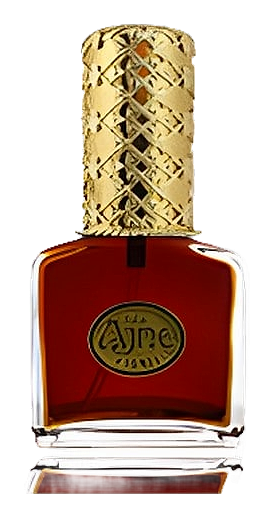
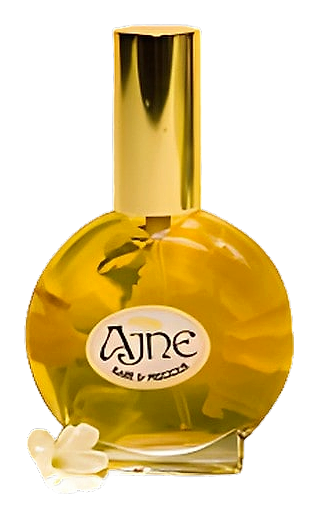
Esprit (Spirit) by Ajne arrived with little documented history, but its composition speaks clearly: citrus brightness moves into tuberose and Moroccan jasmine, with pandanus adding a green, mineral edge. The name suggests spirit and inward vitality, a fitting idea for a fragrance that balances polished floral presence with something more instinctive underneath. Ajne's plant-based perfumery gives the concept a particular register, less about glossy sparkle and more about the living texture of flowers, leaves, and oils. What remains clear is the intent: a white floral that refuses to behave like mere decoration.
The combination is striking because it places a dense, famously demanding flower beside materials that feel open and airy. Tuberose brings creamy weight and an animalic hush, while Moroccan jasmine supplies a softer white-flower glow. Citrus fruits lift the whole arrangement, and pandanus adds a green, slightly exotic line through it. The result is not a simple pretty floral. It has a little tension, the kind that makes a scent feel alive rather than merely nice.
The evolution
On skin, the composition begins with citrus fruits cutting into the air, giving the first impression a clean, buoyant edge. Tuberose soon moves beneath that brightness, turning the center deeper and more tactile. Moroccan jasmine brings a luminous white floral layer, while pandanus keeps a green thread running underneath, almost like a stem still attached to the bloom. As the opening softens, the animalic character of tuberose becomes more apparent, but the composition never turns heavy. The indolic warmth of the white florals stays threaded through the citrus zest rather than swallowed by it, and the green note from pandanus keeps the whole arrangement from drifting into pure sweetness. During the middle hours, citrus and jasmine share the stage, each lifting the other, giving way to a close floral trail in the final phase.
Cultural impact
Ajne sits in a quieter, more ritual-minded corner of fragrance, rooted in botanical materials and a preference for restraint rather than loud performance. Esprit (Spirit) reflects that cultural register: a floral meant to be worn close, savored slowly, and treated as part of an everyday sensory ritual. Its appeal lies in the meeting of polish and natural texture, with a wearer who wants fragrance to feel personal, grounded, and a little unconventional. The composition resists the trend toward maximalist, projection-heavy florals, offering instead something that rewards proximity and attention.